Happn's Gym Crush Data: The Offline Dating Opportunity No One's Cracking
Key Points
- •Survey data from dating platform happn reveals that 36 percent of Dutch singles and 61 percent of Gen Z singles have developed a gym crush.
- •According to happn, 87 percent of Dutch singles with a gym crush have never initiated contact, citing fear of rejection and lack of confidence.
- •Over 70 percent of Dutch singles report higher attraction to regular exercisers, with 39 percent citing fear of disturbing workouts as an approach barrier.
- •Location-based dating app happn partnered with Dutch fitness chain TrainMore to launch Love at First Set singles workout events in Amsterdam.
The gym has become a battleground for a particularly modern form of paralysis. Singles are surrounded by potential romantic connections, drawn to people who share their lifestyle values, yet frozen by an inability to bridge the gap between proximity and conversation. What emerges from recent survey data isn't just a quirky dating trend — it's a diagnostic of a generation that craves real-world connection but has lost the social infrastructure to initiate it.
According to data from happn, 36% of Dutch singles surveyed have developed a crush on someone at the gym — rising to 61% among Gen Z — yet 87% have never acted on it. The primary reason isn't disinterest. It's terror.

This is the offline dating opportunity in microcosm: demand is screaming, supply is frozen, and the gap between desire and action has never been wider. The industry's challenge isn't convincing singles that context-based, real-world encounters matter — they already know. It's building the tools, frameworks, and social scaffolding that give them permission to act.
Create a free account
Unlock unlimited access and get the weekly briefing delivered to your inbox.
Platforms that crack this don't just capture a new user segment. They solve the core complaint driving dating app fatigue.
When proximity doesn't equal confidence
The barriers cited by respondents read like a diagnostic manual for approach anxiety in 2025. Thirty-nine percent said they didn't want to disturb someone mid-workout. Others cited fear of rejection or lack of confidence. What's notable isn't that these fears exist — they always have — but that they now constitute an almost universal brake on behaviour, even when mutual interest seems plausible.
Happn's commercial interest here is transparent: the company's core product is built around proximity-based discovery, and framing the gym as a missed-connection hotspot serves that narrative neatly. The survey sample is small, geographically narrow, and drawn exclusively from the app's own user base, which skews towards people already predisposed to thinking about location as a dating variable. Extrapolating these figures to "current dating habits" globally requires caution.
Still, the pattern aligns with broader sentiment data across the industry. Dating app fatigue is no longer anecdotal. Match Group has acknowledged slowing user growth in developed markets. Bumble has spent the past year repositioning around "intentionality" and offline-inspired features. Hinge's "designed to be deleted" positioning remains the industry's most successful recent rebrand, precisely because it acknowledges what users increasingly feel: that the swipe model has run its course.
What happn's data captures is the flip side of that fatigue. Singles don't just want to leave the apps. They want to meet people in contexts that feel organic, interest-aligned, and socially legible. They just don't know how to do it anymore.
Fitness as a lifestyle compatibility signal
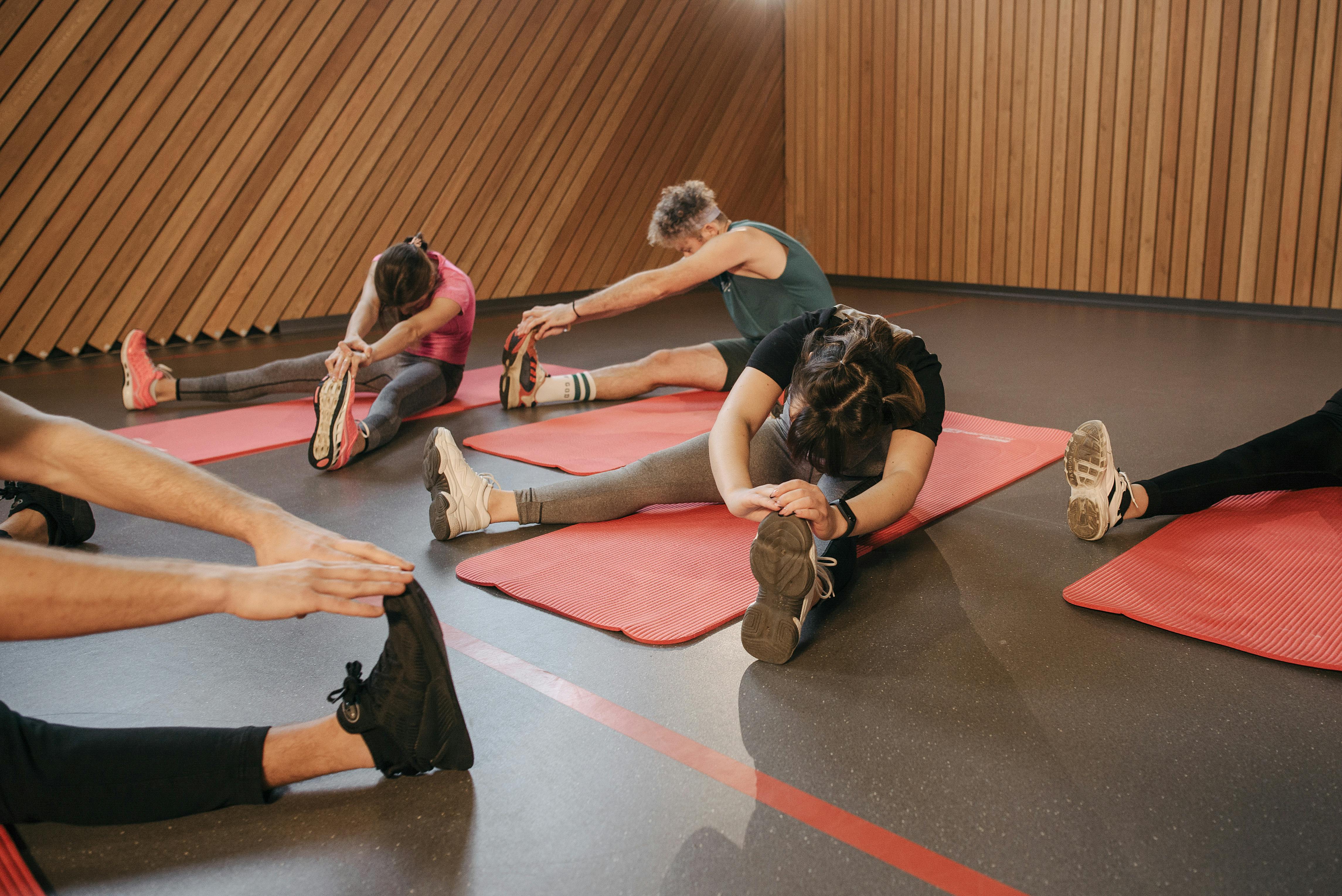
The survey also found that over 70% of Dutch singles are more attracted to someone who exercises regularly, with energy and mindset (28%), appearance (26%), and discipline and lifestyle (22%) cited as the most appealing qualities. This isn't just about aesthetics. Fitness culture has become a lifestyle proxy — a shorthand for values, routines, and social identity that extends well beyond the gym floor.
Operators have noticed. Bumble introduced interest badges years ago, with fitness categories among the most selected. The League and Inner Circle have long catered to segments that treat exercise as a status and compatibility marker. Strava's quasi-dating functionality — where users connect through activity clubs and local runs — has become an open secret, even if the company insists it's not a dating platform. When a fitness app starts functioning as a meet-cute engine, that's a signal the dating industry should be building towards, not away from.
If your value proposition is enabling serendipity, you eventually have to engineer some serendipity yourself.
Happn's response has been to lean into experiential activations. The company partnered with Dutch fitness chain TrainMore to organise "Love at First Set" events in Amsterdam — group workout sessions structured around partner exercises, switching duos after each set, with a DJ and drinks to follow. Separate editions ran for queer and straight singles. Claire Rénier, happn's Head of Communications, framed the events as creating "safe and spontaneous opportunities" for offline connection.
These are, of course, branded activations designed to drive app downloads and reinforce happn's positioning as the bridge between online and offline. But they also represent a pragmatic acknowledgement that the app alone isn't enough.
What the industry is actually building
The "approach crisis" isn't a dating app problem. It's a social skills and infrastructure problem that predates Tinder by years, rooted in declining third spaces, weakened social rituals, and the smartphone-era collapse of unstructured interaction. But dating operators are the ones being asked to solve it, and some are trying.
Thursday restricts its app to one day per week and organises in-person events where members can meet face-to-face. Feeld introduced "Connections" to help users find others at the same parties or clubs. Lox Club built its brand around IRL gatherings before it had a functional product. These are attempts to reintroduce friction, context, and physical presence into a category that spent a decade optimising them away.
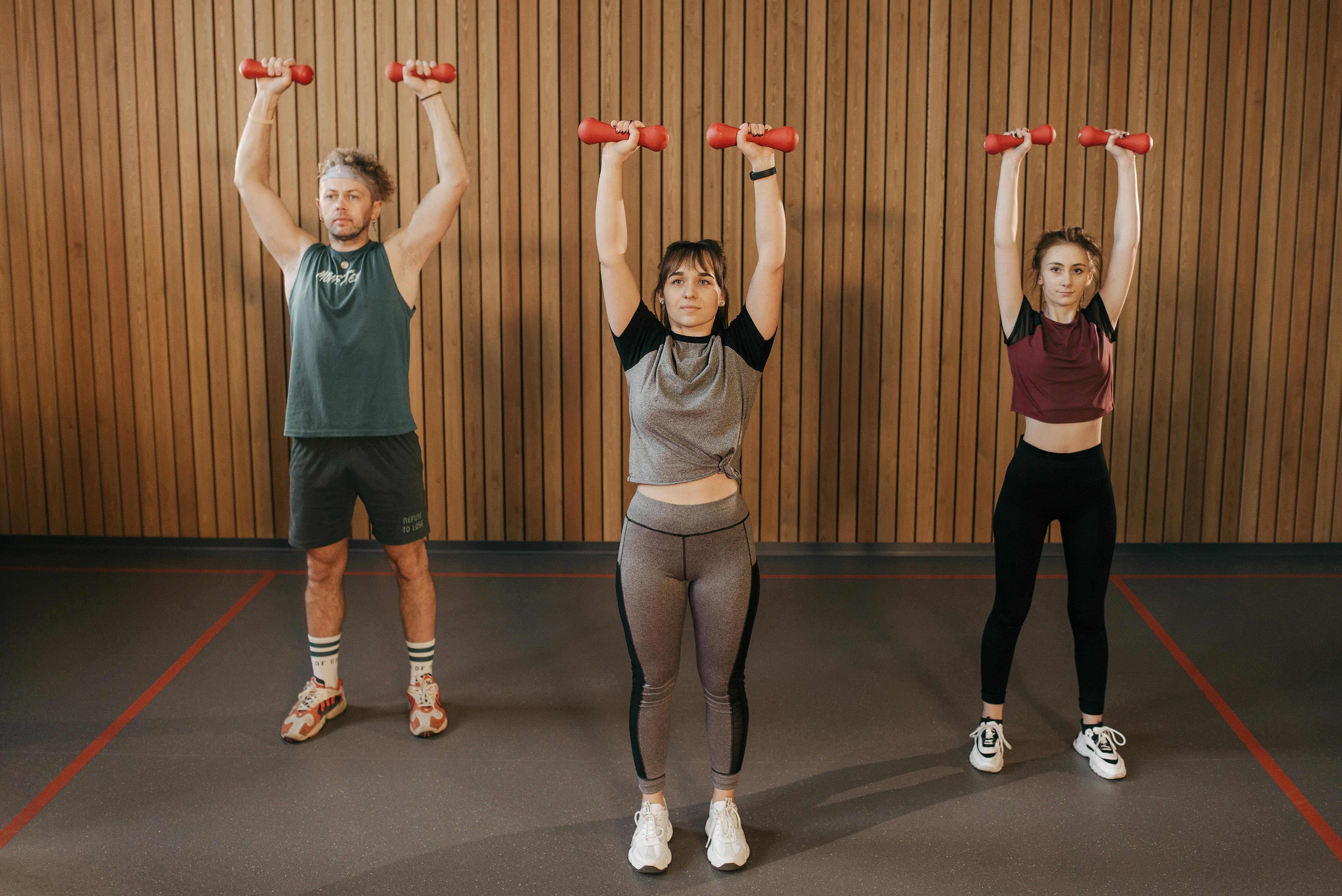
Whether they work at scale is another question. Experiential dating is expensive, geographically constrained, and difficult to monetise compared to subscription or à la carte features. The unit economics don't obviously improve on traditional app models. And the singles most likely to attend these events may be the least in need of help — self-selection bias is real.
But the demand signal is clear. The happn survey, for all its limitations, confirms what operators already hear in user research and churn interviews: people want the efficiency of apps and the authenticity of offline encounters, and they're increasingly unwilling to settle for just one. The platforms that figure out how to deliver both — whether through hybrid models, community features, or reimagined discovery mechanics — stand to capture the next phase of the market. The rest will keep optimising the swipe.
The shift is particularly pronounced among younger users, with fitness topping Gen Z spending priorities and 37% viewing working out as a way to socialise. Research shows that 61% of Gen Z club members demonstrate strong loyalty, suggesting the gym has evolved into something far beyond a workout space — it's become a primary social venue where connection happens, or at least where singles wish it would.
Key Takeaways
- •Dating app operators must develop hybrid models that combine algorithmic discovery with structured offline experiences to bridge the gap between user proximity and social confidence.
- •Positioning fitness as a primary compatibility signal allows dating platforms to engage Gen Z users, who increasingly treat exercise venues as primary social spaces.
- •Investors should evaluate dating platforms on their ability to facilitate real-world interactions, as traditional swipe-based mechanics face growing user fatigue across developed markets.
Frequently Asked Questions
Data & Analytics Desk
The DII Data Team maintains the publication's trackers, market data and analytical reference hubs for the online dating industry.
Comments
Join the discussion
Industry professionals share insights, challenge assumptions, and connect with peers. Sign in to add your voice.
Your comment is reviewed before publishing. No spam, no self-promotion.