

Tinder's Sprite Partnership Signals That Brand Revenue Is Plugging a Growth Gap
Key Points
- •Match Group launched a co-branded campaign placing Tinder logos on millions of Sprite cans across select European markets.
- •Match Group reported Tinder average revenue per user at $18.32 in Q4 2024, with payer conversion stuck in mid-single digits.
- •The campaign provides Tinder with potential physical reach across the Coca-Cola distribution network of over 30 million global sales points.
- •Neither Match Group nor Coca-Cola disclosed the commercial terms, duration, or prize values of the Sprite campaign.
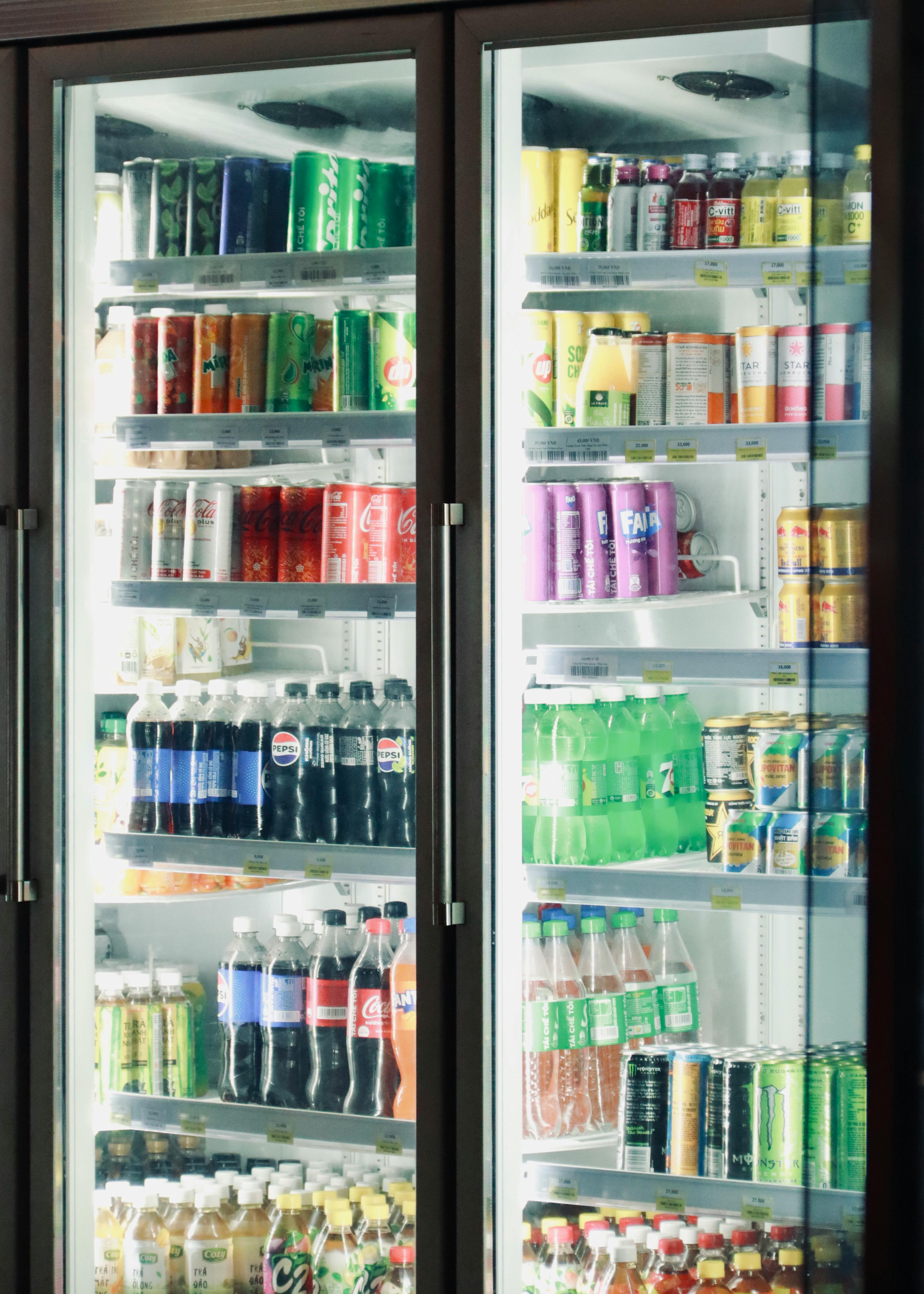
Tinder's logo is appearing on Sprite cans across multiple markets, part of a co-branded campaign that includes a prize draw for what the company is calling a 'spicy date'. The push marks one of the most visible physical retail placements in the dating app's history — and suggests Match Group is testing entirely new channels to keep Tinder's brand in front of consumers as subscriber growth stagnates. The campaign, which Tinder disclosed via LinkedIn, involves what the company describes as 'millions' of cans, though details on geographic scope, duration, and commercial terms remain undisclosed.

The strategic gamble behind shelf space
Putting your logo on soft drink cans is what mature consumer brands do when they need omnipresence, not what high-growth platforms do when they've got product-market fit.
This is either smart diversification or a signal that Tinder's growth engine has run out of fuel. The Sprite partnership suggests Tinder's user acquisition costs have climbed high enough that borrowing Coca-Cola's distribution network looks like a better bet than performance marketing. That's not necessarily bad strategy — but it's very different strategy than the one that built Tinder in the first place.
Dating apps have historically treated their brand presence as premium and discreet. Physical advertising, when it's happened at all, has skewed towards transit ads and outdoor media in major metros — environments where the message is fleeting and the association is aspirational. Bumble's New York billboard campaigns, Hinge's Tube takeovers, Feeld's provocative posters: these were designed to signal cultural relevance, not mass-market ubiquity.
Create a free account
Unlock unlimited access and get the weekly briefing delivered to your inbox.
Co-branding with an FMCG product is a different proposition entirely. Sprite is a $6 billion global brand that competes on price, availability, and mass appeal. Its shelf presence is in corner shops, supermarkets, and petrol stations. Placing Tinder's logo alongside it shifts the app's positioning from 'platform for singles with agency' to 'default option for anyone who might be single'.
The numbers driving the pivot
According to Match Group's most recent earnings disclosure, Tinder's average revenue per user in Q4 2024 sat at $18.32, up modestly year-on-year but still below pre-pandemic peaks. Payer conversion remains stuck in the mid-single digits across most western markets. The implication: Tinder needs either more users at the top of the funnel or more revenue per user at the bottom.
The 'win a spicy date' promotion is instructive. Neither company has disclosed the prize value, the number of winners, or what the experience entails. What's clear is that the mechanic is designed to drive Sprite purchases, not Tinder downloads. That's a departure from traditional app partnerships, where the consumer action directly benefits the platform's metrics.
Here, Tinder is trading brand exposure for... what, exactly? If the deal involves a licensing fee from Coca-Cola, it's a new revenue line. If it's a contra arrangement — Sprite gets digital reach via Tinder's channels, Tinder gets physical reach via Sprite's cans — then it's a user acquisition play dressed up as brand partnership. The lack of disclosed terms makes it difficult to assess, but the structure suggests Tinder is the party with more to gain from the association.
Five years ago, consumer brands were chasing dating apps for access to young, digitally native audiences. The fact that Tinder is now chasing shelf space implies the leverage has shifted.
Revenue diversification or desperation?
Match Group has been explicit in recent quarters about exploring revenue streams beyond subscriptions and in-app purchases. À la carte pricing, live events, creator tools, and brand partnerships have all been floated as areas of experimentation. Tinder's Sprite campaign fits that brief — but it also highlights the challenge: none of these alternatives has yet demonstrated the margin profile or the scalability of a £20-per-month subscription.
Brand partnerships, in particular, are labour-intensive. They require negotiation, creative alignment, campaign execution, and measurement frameworks that don't map neatly onto dating app KPIs. The payoff might be worth it if the partnership drives meaningful user acquisition at a lower cost per install than Meta or Google. But if it's primarily a branding exercise, the ROI becomes much harder to justify to investors already sceptical of Match Group's ability to reignite growth.

Bumble has pursued partnerships with different positioning: collaborations with wellness brands, feminist organisations, and cultural institutions. Those align with Bumble's premium, purpose-driven brand identity. Tinder's choice of Sprite — a mass-market carbonated soft drink with no particular cultural cachet — suggests the company is prioritising reach over brand elevation. That's a defensible choice if you're the market leader trying to stay top-of-mind with the broadest possible audience.
Industry implications and what comes next
If this campaign delivers measurable user acquisition at scale, expect similar partnerships to proliferate across the industry. Physical retail represents distribution that dating apps have never systematically accessed. Coca-Cola alone has more than 30 million points of sale globally. Even a modest conversion rate from can purchase to app download could justify the investment.
The flipside: if this is a one-off experiment that doesn't repeat, it's a signal that the economics don't work — or that the brand risk outweighed the growth benefit. Dating apps have historically been cautious about where their logos appear for good reason. Association with the wrong partners can dilute trust, particularly for platforms where privacy and safety are already friction points.
For competitors, the strategic question is whether to follow or differentiate. Hinge, with its 'designed to be deleted' positioning, would struggle to justify a fizzy drink partnership. Grindr, with its focus on community and identity, would face similar brand coherence issues. But apps chasing scale in saturated markets — think Plenty of Fish, Badoo, or any of the Bumble Inc. portfolio outside of Bumble itself — might see this as a viable playbook.
The campaign's success or failure will shape how the industry thinks about brand partnerships as a growth lever. It's not the first time the dating app has experimented with unconventional physical product tie-ins — last year's 'RelationChips' snack collaboration tested similar territory. According to industry reports, the Sprite partnership is launching across select European markets ahead of Valentine's Day, suggesting a regional test-and-learn approach rather than a global rollout.
Key Takeaways
- •Mass-market retail co-branding indicates that dating app operators are struggling with rising user acquisition costs on traditional performance marketing channels.
- •Investors should monitor whether non-subscription brand partnerships generate scalable revenue margins or merely serve as expensive brand exposure experiments for mature platforms.
- •Operators in saturated markets may adopt physical FMCG distribution partnerships if Tinder demonstrates measurable conversion rates from retail packaging to mobile app downloads.
Frequently Asked Questions
Newsroom
The DII Newsroom reports daily breaking news across the global online dating, matchmaking and social discovery industry.
Comments
Join the discussion
Industry professionals share insights, challenge assumptions, and connect with peers. Sign in to add your voice.
Your comment is reviewed before publishing. No spam, no self-promotion.


