Mattr's 'Pitch My Queer Bestie' Event: Social Proof as Product Strategy
Key Points
- •Mattr hosted a sold-out Pitch My Queer Bestie event in Edinburgh on 31 July in partnership with Diageo and Edinburgh Pride.
- •The Edinburgh event marked the queer dating platform Mattr's first activation outside London, hosted by drag performer Groundskeeper Fanny.
- •Mattr required attendees' friends to present five-slide presentation decks vouching for single mates before making in-app connections.
- •Match Group reported declining payer conversion rates in Q3 2024 as mainstream dating platforms evaluate hybrid online and offline models.
Dating app users are exhausted from performing online, and nobody believes what strangers say about themselves anymore. Mattr's Edinburgh activation on 31 July turned that problem into a product feature by letting friends pitch friends using slide decks—then letting the app handle the follow-through. With Diageo backing and capacity crowds, the format signals something more significant than another singles mixer: the return of social vouching as a scalable dating platform strategy.
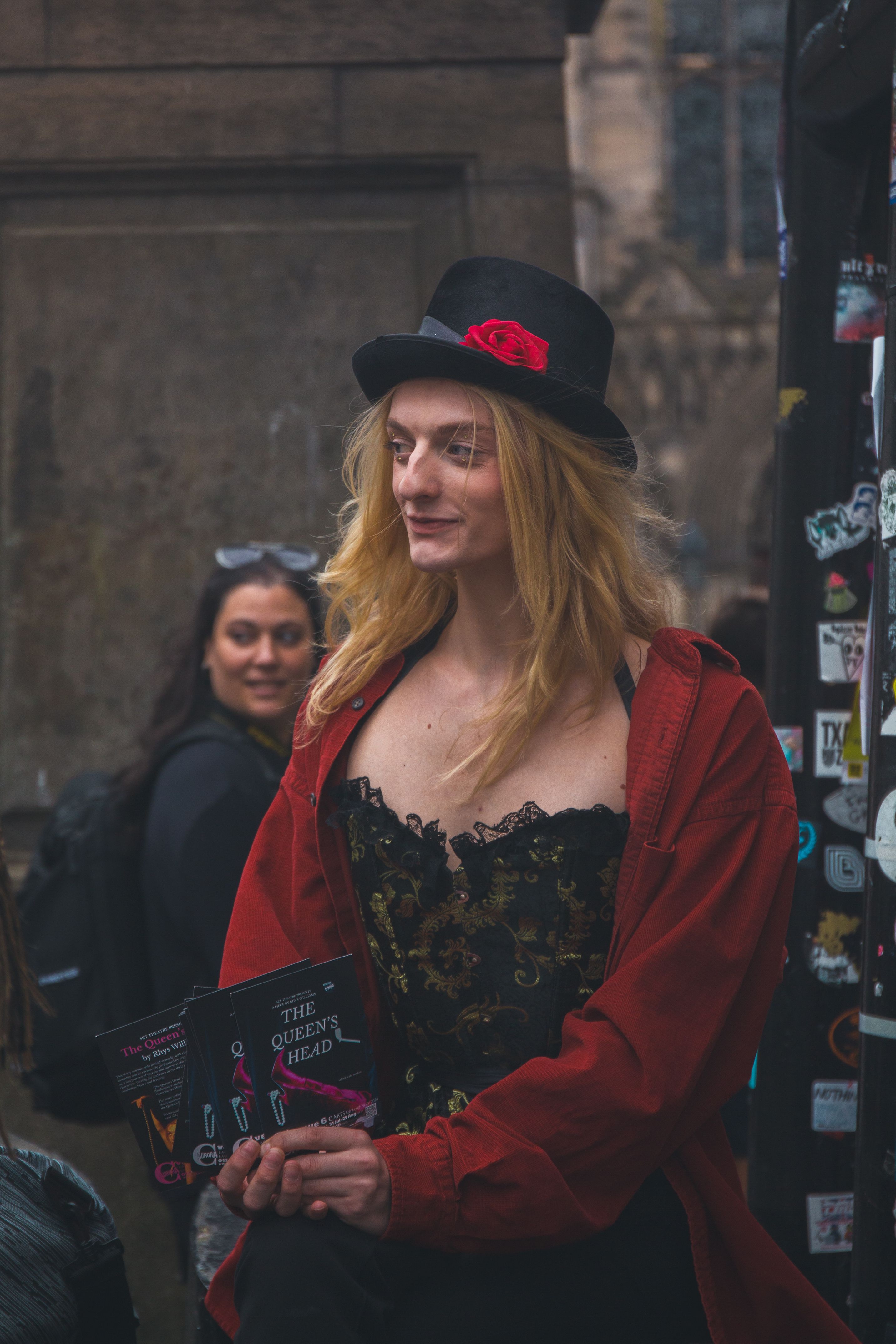
The format is straightforward. Friends pitch friends to the room using a slide deck template created by Mattr. Attendees then mingle and use the app to connect with people they may not have spoken to during the event. The pitch happens IRL; the follow-through happens in-app.
Drag performer Groundskeeper Fanny hosted. The event partnered with Edinburgh Pride and Diageo, marking the queer dating app's first activation outside London.
Create a free account
Unlock unlimited access and get the weekly briefing delivered to your inbox.
Why social vouching matters now
Dating apps have spent a decade optimising self-presentation. Profile prompts, verified photos, voice notes, video profiles—every feature designed to help singles market themselves more effectively. The problem is that everyone's exhausted from the performance, and nobody trusts the output.
Enter the friend pitch. By shifting the presentation burden from the single to their social circle, Mattr's format addresses both authenticity and effort. Your mate knows your flaws and pitches you anyway.
That's a stronger signal than a curated photo grid and a witty bio about loving brunch.
This matters particularly in queer dating, where community size and safety concerns make traditional algorithmic matching less effective. Queer singles often rely on overlapping social networks for vetting potential dates—a dynamic that mainstream platforms struggle to replicate at scale. Mattr's event format essentially productises what already happens informally: friends vouching for friends in trusted spaces.
The Diageo partnership adds another dimension. Dating platforms have historically monetised through subscriptions, in-app purchases, and occasionally advertising. Events have been community-building or brand exercises, not revenue drivers.
But if a global drinks company is willing to back a dating app event as part of its Pride programming, that suggests dating platforms are becoming viable B2B marketing channels—spaces where brands can reach specific demographics in authentic settings. Mattr founder Jamie Johnston described Diageo's involvement as validation that the brand's ethos resonates with 'underrepresented audience[s]', even during what he characterised as 'peak summer'.
The hybrid model goes mainstream
Mattr isn't the first to blend online and offline. Thursday built its entire model around weekly meetups. Feeld has hosted events for its kink-curious community. Hinge ran its 'Hinge House' activations.
But most of those efforts treated events as marketing—ways to generate press or boost downloads. What's different here is the integration. The pitch happens offline; the app facilitates connection afterward. The event creates the context; the platform extends it.
That's a product loop, not a PR stunt.
The challenge is scalability. Edinburgh's event sold out, but the source material doesn't disclose numbers. If capacity meant 50 people, that's a community activation. If it meant 500, that's a distribution channel.
The format itself—friend pitches with slide decks—works for small to mid-sized rooms but starts to break down beyond that. You can't pitch 20 friends to a crowd of 300 without the event becoming a TED Talk marathon.
Still, the economics are worth watching. If Diageo paid to sponsor the event, Mattr generated revenue without burning cash on paid acquisition. If attendees converted to app users at meaningful rates, the event justified its cost. If those users invited friends to future events, the flywheel starts spinning.
For a niche app serving a community that values IRL connection, that's a more defensible model than competing with Match Group (MTCH) for Facebook ad inventory.
What operators should watch
The broader industry has been inching towards hybrid models as swipe fatigue becomes undeniable. Match Group disclosed declining payer conversion rates in Q3 2024. Bumble (BMBL) has talked repeatedly about reinvigorating 'the Bumble experience' without offering specifics on what that means.
Grindr (GRND) has leaned into events but primarily as brand-building, not product. Mattr's approach suggests a third path: events as onboarding, with social vouching as the hook.
The question is whether that model works beyond queer dating, where community density and safety concerns make social proof particularly valuable. Mainstream platforms have larger user bases but weaker social ties. Your straight mate pitching you at a Hinge event in Manchester might feel less authentic than the same dynamic in a tight-knit queer community.
One ambiguity worth noting: Jamie Love, described in the source material as Mattr's marketing director, referred to Mattr in the third person and thanked the company for 'a wonderful evening', suggesting they may actually represent Diageo or the venue rather than Mattr itself. That muddies the attribution but doesn't change the strategic read: someone at a major drinks company thought a queer dating app event was worth backing.
The next test is whether Mattr can replicate this outside Edinburgh and London without Diageo's support. If the format works as community-led growth and the unit economics hold, expect more dating apps to turn their users' mates into product evangelists. The platform has already been expanding its offerings with exclusive membership features, suggesting it's testing multiple revenue streams beyond traditional dating app models.
Meanwhile, queer dating events across Edinburgh continue to draw crowds, indicating sustained demand for in-person connection in the community. After all, your friend's embarrassing slide deck is more convincing than another push notification.
Key Takeaways
- •Brand sponsorships from companies like Diageo offer niche dating platforms a B2B revenue stream that offsets user acquisition costs.
- •Social vouching models work best in tight-knit communities where trust is paramount, making them harder for mainstream platforms to replicate.
- •Combining offline presentation events with post-event in-app matching creates a scalable product loop rather than a temporary marketing stunt.
Frequently Asked Questions
Community Desk
The DII Community Desk covers people, leadership moves, events and community developments across the dating industry.
Comments
Join the discussion
Industry professionals share insights, challenge assumptions, and connect with peers. Sign in to add your voice.
Your comment is reviewed before publishing. No spam, no self-promotion.