Thursday's Pepsi Deal: Monetisation Masquerading as Community Building
Key Points
- •London-based dating app Thursday has partnered with Pepsi UK to host a sponsored singles event on 12 February 2026 at The Ministry in Borough.
- •Over 200 attendees are expected at the London gathering, which features custom Pepsi cocktails, speed dating, and branded social activities.
- •The partnership illustrates how dating app operators are seeking third revenue streams beyond subscriptions and in-app purchases as user acquisition costs rise.
- •Major industry operators including Match Group, Bumble, and Grindr face similar commercial pressures as user growth stalls across the online dating sector.
Match Group and Bumble spent years pitching investors on their dating apps as 'platforms'. Thursday just demonstrated what that word actually means: a user database you can rent to PepsiCo for a singles night. The London-based dating app has partnered with Pepsi UK to host a branded event that reveals how dating operators are quietly converting their user bases from subscription revenue streams into packageable audiences for consumer brands.
The event on 12 February 2026 features custom Pepsi cocktails, speed dating rounds, and what Thursday calls 'relation-sipping' — a portmanteau that should worry anyone who still believes dating apps exist primarily to help people find partners. Strip away the marketing copy and what remains is straightforward: PepsiCo gets access to a captive audience of Gen Z and millennial singles, Thursday gets event underwriting and likely a sponsorship fee, and members get subsidised drinks in exchange for becoming part of a beverage company's product launch. Tickets are available online, with entry requiring arrival before 8pm.
This is monetisation innovation dressed up as community building. Thursday has spotted what other dating operators are still figuring out: your user base isn't just a subscription revenue stream, it's an asset you can package and sell to consumer brands desperate for authentic Gen Z access. The question isn't whether this works commercially — it obviously does, or Pepsi wouldn't be writing the cheque.
Create a free account
Unlock unlimited access and get the weekly briefing delivered to your inbox.
The question is whether dating apps can run brand partnership models at scale without members realising they've become the product twice over.
From Differentiation to Revenue Stream
Thursday built its brand on IRL events as a product differentiator. The app only opens on Thursdays, driving concentrated activity, and the company has hosted weekly singles nights across London and other UK cities since launch. According to the company, these events emphasise 'low-pressure environments' rather than traditional speed dating formats, positioning them as social experiences first and matching opportunities second.
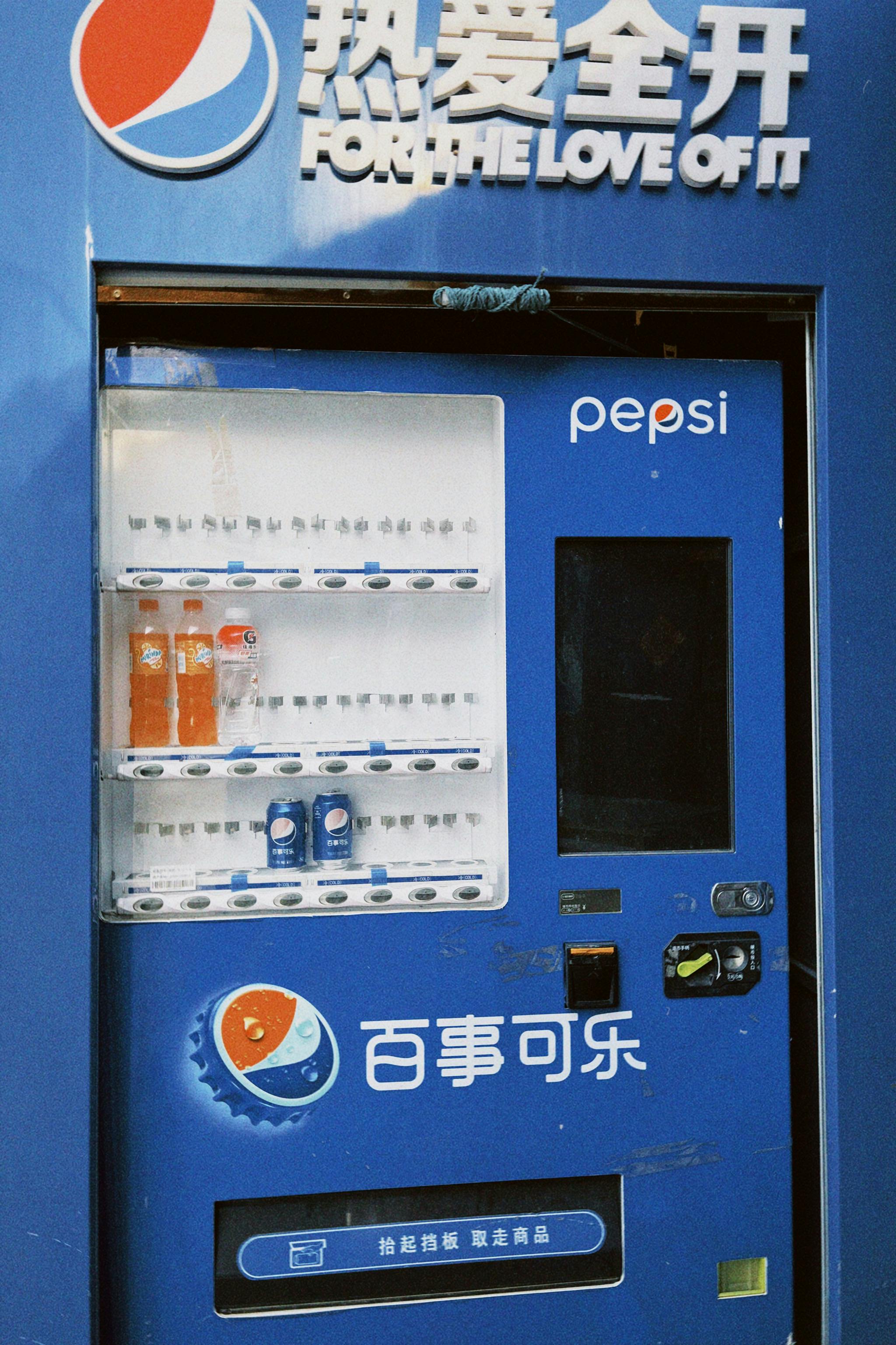
That positioning made strategic sense when user acquisition costs were climbing and app fatigue became the dominant narrative in dating product development. Bumble launched Bumble IRL events. Hinge hosted 'Hinge Happy Hour' activations. Match Group experimented with offline mixers in select markets. The logic held: members who attend events stick around longer, convert to paid subscriptions at higher rates, and generate word-of-mouth acquisition that costs less than performance marketing on Meta.
But Thursday's Pepsi deal represents a different calculation entirely. This isn't an event designed to drive app engagement or improve retention metrics. It's a branded experience where the dating app serves as event promoter and the brand partner gets distribution. The timing — two days before Valentine's Day — isn't coincidental. It's seasonal marketing, with Thursday providing the audience and PepsiCo providing the activation budget.
The economics are simple. Event hosting carries fixed costs: venue hire, staffing, promotion. Brand partnerships convert those costs into revenue, potentially flipping events from a retention expense into a profit centre. If Thursday can charge sponsors enough to cover costs and generate margin, it's found a third revenue stream beyond freemium subscriptions and in-app purchases.
What Gets Commoditised
Other dating operators will be watching this. The template is obvious: identify a brand targeting your demographic, package your user base as an event audience, negotiate a sponsorship deal, and promote it as community building. Bumble could host a Glossier-sponsored singles brunch. Hinge could partner with a spirits brand for cocktail-making workshops. Grindr could sell travel companies access to its events in key markets.
The limiting factor isn't creativity. It's trust. Members tolerate advertising inside apps because the value exchange is explicit: access in exchange for ad exposure. Events carry different expectations. People attend because they want to meet other singles, not because they want to sample Pepsi's latest flavour extensions.
If the brand presence tips from 'nice perk' to 'we're clearly the reason this event exists', the value proposition breaks.

Thursday is testing that boundary carefully. The event still foregrounds dating activities — the Sofa Sessions, the speed dating rounds. The Pepsi integration appears limited to branded cocktails rather than overt product placement. But the naming ('relation-sipping') and the partnership announcement itself signal whose priorities matter. This is a brand activation that happens to include dating, not a dating event that happens to have a sponsor.
What's notable is how quickly the arbitrage closes once brands realise they don't need the dating app at all. The Ministry is a members' club and event space that hosts social gatherings independently. PepsiCo could book the venue directly, promote through paid social, and reach the same demographic without revenue sharing with Thursday. The dating app's value is curation — its ability to guarantee that attendees are single, interested in dating, and likely to show up. That's worth something, but it's not defensible at scale.
Who Benefits, Who Doesn't
Thursday operates in a saturated UK market where competition for the same London-based singles is brutal. Events provide differentiation, but they don't scale geographically the way apps do. A brand partnership model could fund expansion into new cities, using sponsor budgets to underwrite venue costs and marketing in markets where Thursday lacks density.

Larger operators face different constraints. Match Group's size makes individual brand deals operationally complex. Bumble's brand positioning — built around women making the first move and empowerment messaging — limits which sponsors align credibly. Grindr's community sensitivities around commercialisation mean any brand partnership would face immediate scrutiny.
The winners are likely mid-tier apps with established event programmes and strong local density in key metros. The losers are operators who've treated events as pure customer acquisition costs without building repeatable models. If brand partnerships become table stakes, the ability to pitch sponsors and execute activations becomes a required competency, not a nice-to-have.
For investors tracking MTCH and BMBL, the signal is clear: dating app unit economics are under enough pressure that operators are actively searching for revenue beyond subscriptions. Brand partnerships won't move the needle on a $9B market cap, but they reveal where management teams think growth will come from when user growth stalls.
The broader question is whether dating apps want to be event promoters at all. It's adjacent work that requires different skills, different cost structures, and different risk profiles. Thursday is betting it can do both. Whether that bet pays off depends on how many times members will show up to a singles night before they notice they're attending a product launch.
Key Takeaways
- •Brand sponsorships allow mid-tier dating operators with strong local event footprints to convert event hosting from a customer retention expense into a profitable revenue stream.
- •App operators must balance brand monetisation against user trust, as over-commercialised activations risk alienating members who expect authentic social experiences rather than corporate product launches.
- •For investors evaluating Match Group and Bumble, brand partnerships highlight an ongoing strategic pivot toward audience monetisation amidst slowing organic subscription growth.
Frequently Asked Questions
Financial Intelligence Desk
The DII Financial Intelligence Desk covers earnings, valuations, funding and the financial performance of the global online dating industry.
Comments
Join the discussion
Industry professionals share insights, challenge assumptions, and connect with peers. Sign in to add your voice.
Your comment is reviewed before publishing. No spam, no self-promotion.