79% Burnout: Dating Apps Face a Business Model Reckoning
Key Points
- •A survey of 2,000 UK dating app users by The Couple revealed that 79% of Gen Z and Millennial respondents feel burnt out from swiping.
- •The Couple's research also found that 84% of surveyed UK dating app users have experienced ghosting on online platforms.
- •Match Group's market capitalisation dropped from a peak of over $45 billion in 2021 to approximately $8.3 billion amidst industry growth slowdowns.
- •Niche dating apps such as Thursday and Breeze are testing alternative mechanics, including single-day access and direct offline date scheduling.
The figures are stark enough to make any dating app executive wince. When four in five users describe burnout, that's not a product experience problem—it's a business model under strain. These aren't marginal complaints from a vocal minority but a fundamental crisis in how platforms deliver romantic connection.
The research, which surveyed 2,000 dating app users in the UK, surfaces a tension that's been building since dating apps shifted from novelty to necessity over the past decade. What began as a convenient supplement to meeting people organically has calcified into essential infrastructure for romantic connection. But the platforms haven't evolved to match the weight of that responsibility.
This data should be read as a flashing warning light for the industry, not just another round of user complaints. When burnout reaches 79%, you're no longer looking at a cohort issue or a UX tweak. You're looking at a fundamental mismatch between what users need and what the product delivers.
Create a free account
Unlock unlimited access and get the weekly briefing delivered to your inbox.
The dating app model worked brilliantly when it was a tool. It's faltering now that it's become the primary venue.
Operators who treat this as a sentiment problem rather than a structural one are setting themselves up for disruption.
The engagement trap tightens
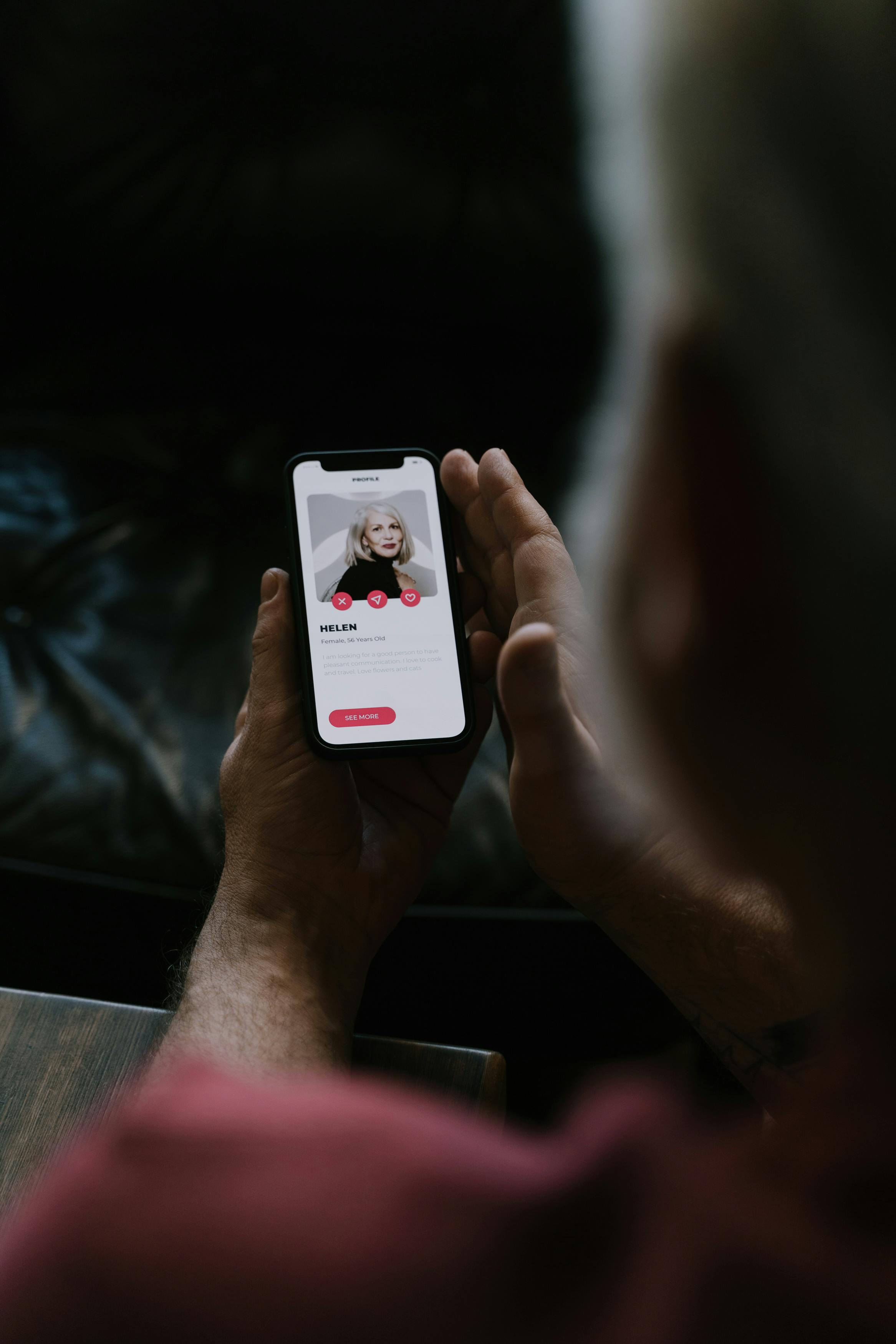
The conflict at the heart of dating apps has always been obvious, if uncomfortable: platforms make money by keeping users engaged, but their stated purpose is to help users pair off and leave. Match Group executives have spent years insisting this isn't a real tension, arguing that successful matches create brand advocates who return if relationships end. The data from The Couple's research suggests users aren't buying that narrative anymore.
Ghosting, reported by 84% of respondents, isn't just poor etiquette—it's a symptom of platforms that prioritise abundance over intentionality. When apps serve up hundreds of potential matches with minimal friction, the social contract around engagement breaks down. Why invest in a difficult conversation when the next profile is a thumb-swipe away?
The design creates the behaviour, then users bear the emotional cost.
Burnout follows a similar pattern. Swiping mechanics were borrowed from gaming because they're addictive and measurable. But addiction is precisely the problem when the stakes involve genuine human connection rather than Candy Crush points. The Couple's data shows 79% of users feeling depleted by the very interaction model that every major app has adopted as table stakes.
What's particularly telling is the demographic breakdown. Gen Z and Millennials—the cohorts that grew up with smartphones and should theoretically be most comfortable with app-mediated connection—are reporting the highest dissatisfaction. These aren't Luddites pining for analogue romance. They're digital natives saying the tools don't work.
Product theatre versus structural change
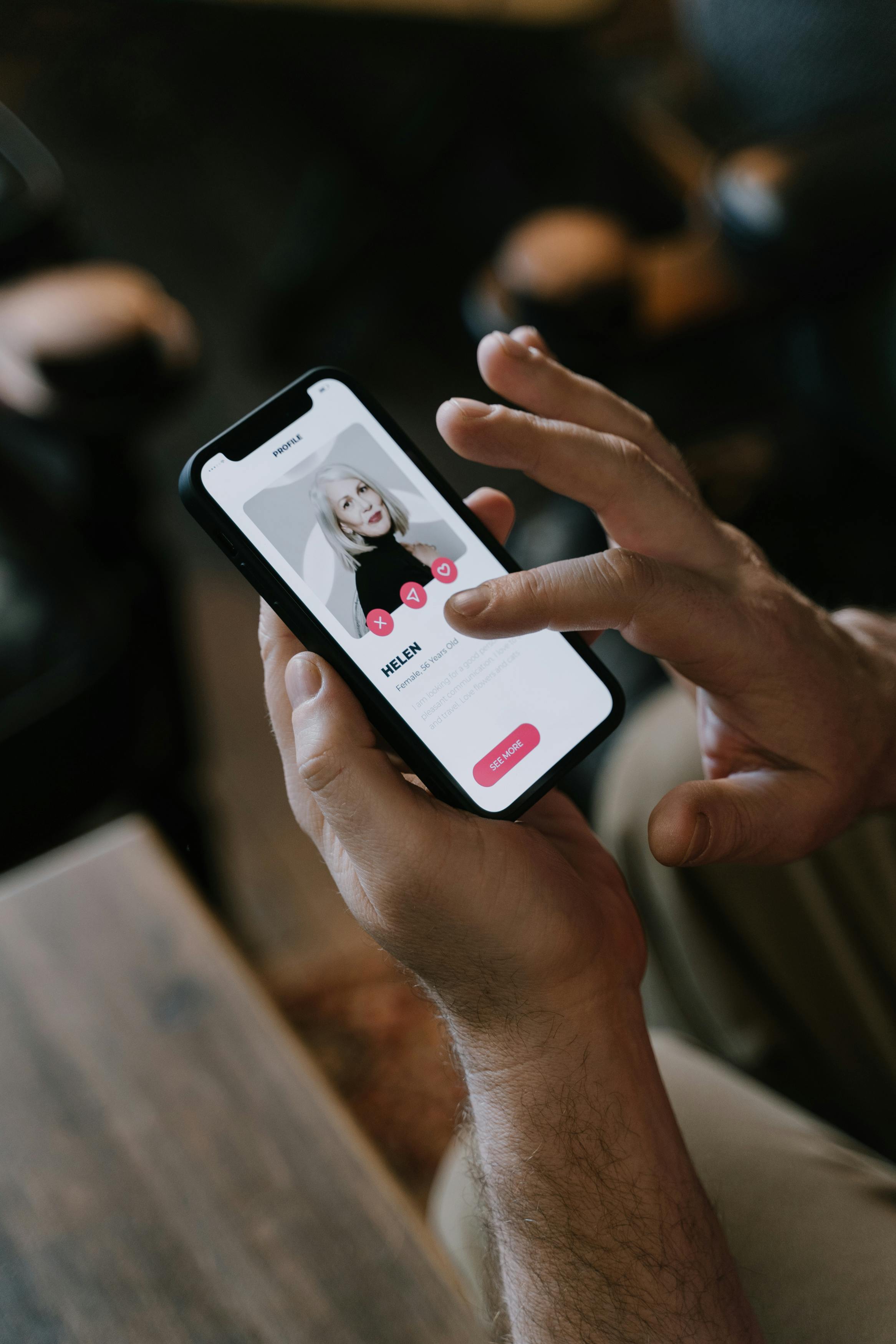
Dating apps haven't ignored user complaints. Hinge built an entire brand position around being 'designed to be deleted', emphasising profiles over photos and prompts over bios. Bumble added video chat and voice notes. Thursday limited usage to one day per week, positioning scarcity as a feature.
None of it has moved the needle on burnout, according to The Couple's findings. That's because these are feature additions layered atop an unchanged foundation. You can add video calls to a platform that still operates on high-volume, low-commitment mechanics, but you haven't addressed why users feel exhausted.
The more substantive experiments are happening at the margins. Apps like Thursday and Feeld have built smaller, more intentional communities with different engagement patterns. Niche platforms focusing on specific demographics or relationship types report higher user satisfaction, though at far smaller scale. The question is whether mainstream apps serving millions can adopt any of those lessons without tanking the engagement metrics that Wall Street expects.
Match Group's market capitalisation sits at roughly $8.3B as of this month, down from peaks above $45B in 2021. Bumble's valuation has followed a similar trajectory. Investors have already repriced these businesses downward as growth has slowed. The burnout data suggests the next repricing might be structural—not just a growth slowdown, but a model that's reached the end of its useful life in its current form.
What changed, and what hasn't
The shift that operators seem reluctant to name directly is this: dating apps used to compete with bars, parties, and chance encounters. They won that competition decisively, particularly during the pandemic. But having won, they now compete primarily with each other—and increasingly, with users' own fatigue.
Users no longer judge dating apps against the inconvenience of hoping to meet someone at a wedding. They judge them against the emotional toll of treating human connection like a high-volume sales funnel. That's a comparison the current model struggles to win.

The platforms that will succeed through this transition—and there will be a transition, because 79% burnout rates aren't sustainable—are those willing to redesign around outcomes rather than engagement. That might mean lower daily active user counts. It almost certainly means rethinking the metrics that have governed product decisions for the past decade. Some newer entrants like Breeze, which focuses on arranging offline dates rather than endless messaging, suggest alternative approaches are gaining traction, though whether these models can scale remains uncertain.
Operators watching these figures should be asking what happens when burnt-out users don't just complain but actually leave. The dating industry has always assumed users will keep coming back because the need for connection is fundamental. That's still true. Whether they come back to the current generation of apps is the open question.
Key Takeaways
- •Dating app operators must pivot product design from high-volume engagement metrics to tangible offline outcomes to prevent catastrophic long-term user churn.
- •Investors are repricing major online dating conglomerates such as Match Group and Bumble because swiping-based monetisation models face severe engagement fatigue.
- •Emerging niche competitors like Breeze and Thursday demonstrate that long-term enterprise value in the dating sector may depend on intentionality rather than retention metrics.
Frequently Asked Questions
Data & Analytics Desk
The DII Data Team maintains the publication's trackers, market data and analytical reference hubs for the online dating industry.
Comments
Join the discussion
Industry professionals share insights, challenge assumptions, and connect with peers. Sign in to add your voice.
Your comment is reviewed before publishing. No spam, no self-promotion.