

Feeld's Print Gamble: Cultural Credibility Over User Growth
Key Points
- •Feeld has published the second issue of its quarterly print magazine AFM, featuring photographer Nan Goldin and novelist Catherine Lacey.
- •Feeld raised $10M in Series A funding in 2022 and reached 10 million total downloads by early 2024.
- •Match Group reported that Tinder paying users dropped 8% year-over-year to 9.6 million in Q4 2024.
- •Grindr increased paying users by 13% to 1.1 million, remaining an outlier in an industry facing user fatigue.
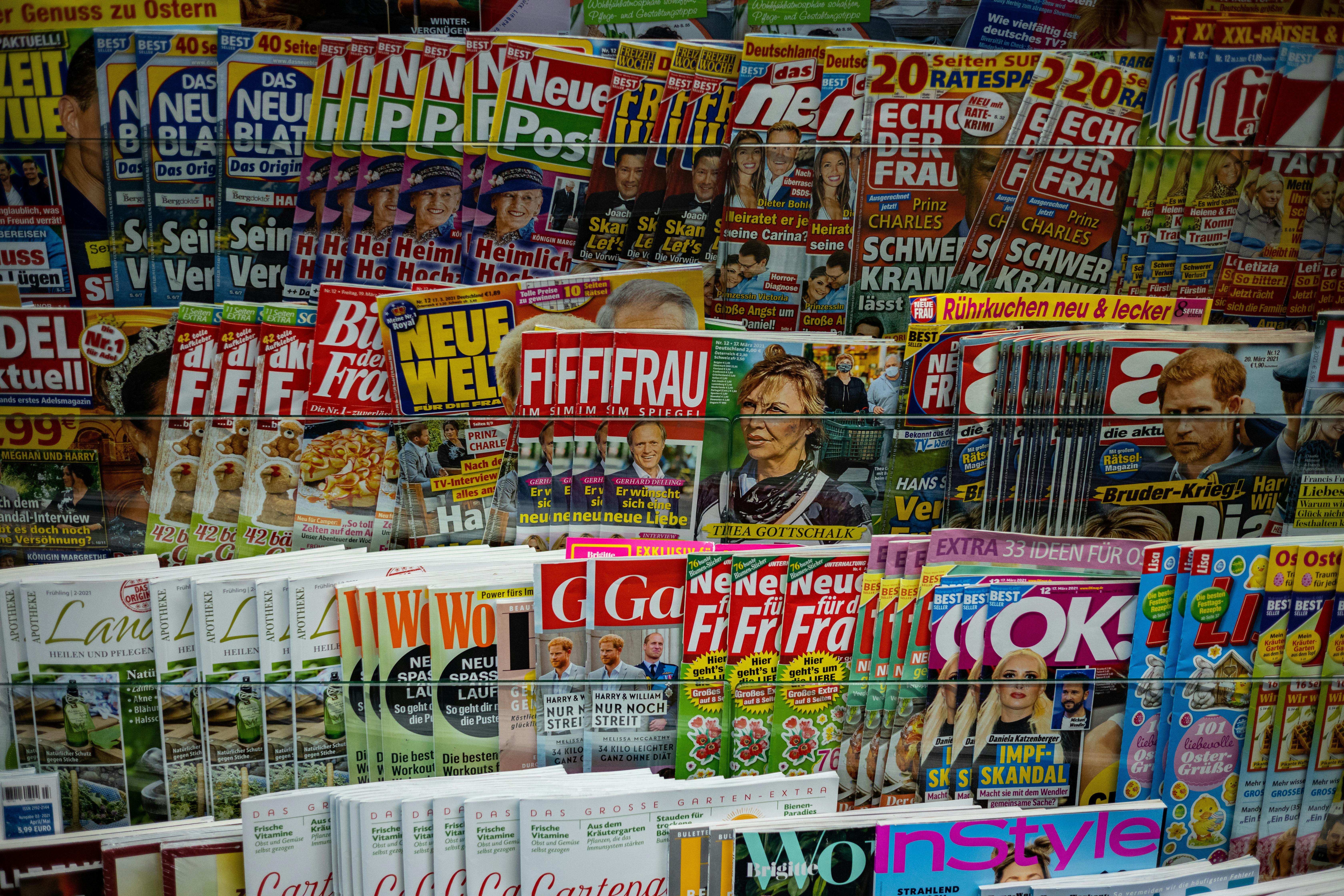
Feeld has published the second issue of AFM, its quarterly print magazine featuring photographer Nan Goldin shooting musician Kelsey Lu for the cover. The publication explores 'mind games' in relationships through contributions from novelist Catherine Lacey, artist Hannah Black, and Feeld's own user community. For an app built on facilitating casual and polyamorous connections, spending money on glossy paper and gallery-circuit names is an unusual bet—and a telling one about where parts of the industry think salvation lies.
The decision to produce a second issue matters less for its cultural output than for what it signals about strategic direction. Print magazines offer dismal ROI compared to digital marketing. They're expensive to produce, difficult to distribute, and impossible to A/B test.

This is brand theatre, not user acquisition, and Feeld seems clear-eyed about that distinction. The company isn't trying to convert readers into subscribers through AFM; it's trying to insulate its existing positioning from the inevitable downmarket drift that hits every dating app at scale. Whether that's worth the investment depends entirely on whether 'dating app that rich people don't feel embarrassed to use' is a defensible category.
Create a free account
Unlock unlimited access and get the weekly briefing delivered to your inbox.
The fundamental problem is the same: swipe-based dating has become a chore, not entertainment.
The context here is industry-wide engagement decline. Match Group disclosed in its Q4 2024 earnings that Tinder's paying user base dropped 8% year-over-year to 9.6 million. Bumble has spent the past year attempting to redesign its way out of user fatigue, testing everything from AI-powered conversation starters to removing its signature women-message-first mechanic.
Grindr remains the outlier with paying users up 13% to 1.1 million, but even that growth is slowing. Feeld's response is to stop pretending it's in the matchmaking business and start acting like a lifestyle brand that happens to facilitate connections. According to the company, the magazine 'creates cultural relevance' and positions Feeld as 'a platform for ideas about relationships, not just a tool to find them'.
Print as moat-building
The magazine features Nan Goldin, whose work documenting queer life and intimacy makes her a natural fit for Feeld's brand positioning. Hannah Black contributes writing. Catherine Lacey, whose novels explore desire and control, anchors the 'mind games' theme. These aren't influencer partnerships or celebrity endorsements; they're editorial choices that signal taste and seriousness.

User-generated content sits alongside commissioned work, blurring the line between community and curation. It's also, structurally, a marketing exercise. Feeld members appear in the magazine. Feeld's brand appears on every page.
Tinder couldn't credibly do this. Its user base is too large and too varied to rally around a single aesthetic or cultural identity.
The more interesting question is whether this approach can work at scale or only at the margins. Feeld reported 10 million downloads in early 2024 but hasn't disclosed active user numbers or subscriber counts. The app remains niche by design, targeting what it calls 'open-minded' and 'curious' users rather than the mass market.
Who else is trying this
Feeld isn't alone in seeking differentiation through cultural adjacency, though its execution is more committed than most. Thursday, the London-based app that restricts activity to one day per week, has invested heavily in offline events and parties. Hinge positions itself through cheeky editorial campaigns and partnerships with cultural institutions. The League ran a magazine briefly before shutting it down.
What's different about AFM is the apparent commitment—two issues in under a year suggests budget and long-term thinking, not a one-off experiment. The risk is that this strategy only works until it doesn't. Cultural credibility is fragile and scale-dependent.
The moment Feeld grows large enough that its user base stops feeling self-selecting, the magazine becomes a mismatch with the product. And the moment engagement or revenue declines, expensive print becomes an obvious place to cut costs. Feeld raised $10M in Series A funding in 2022, according to Crunchbase, but hasn't announced subsequent raises.
What Feeld has correctly diagnosed is that dating apps face a trust and desirability problem, not just a retention problem. Users are tired of swiping, but they're also tired of feeling like they're using a service that commodifies them. Print offers tangibility and permanence in a category defined by disposability.
Whether that message translates into subscriber growth or improved retention remains to be seen—Feeld hasn't released performance data tied to the magazine's launch. But the strategic instinct is sound. Dating apps that want to survive the next five years can't just optimise their algorithms. They need to give users a reason to identify with the brand beyond its functionality.
Print is one way to do that. It's expensive, inefficient, and impossible to scale. It might also be exactly the point. Feeld's turn to print represents a bet on cultural positioning over growth metrics, and the magazine's exploration of intimacy through contributors like Nan Goldin signals the seriousness of that commitment.
For an app originally launched as 3nder in 2014 with a focus on ethical non-monogamy, this evolution from utility to cultural institution may be the only path forward in an oversaturated market.
Key Takeaways
- •Dating app operators face perception and trust challenges that algorithmic updates cannot solve, making cultural positioning an alternative strategy to prevent user fatigue.
- •Niche platforms like Feeld can leverage physical editorial products to build brand loyalty, but mass-market platforms like Tinder cannot easily replicate hyper-specific cultural strategies at scale.
- •Investors should monitor whether high-cost offline brand initiatives at Feeld deliver sustained retention improvements during broader industry slowdowns.
Frequently Asked Questions
Community Desk
The DII Community Desk covers people, leadership moves, events and community developments across the dating industry.
Comments
Join the discussion
Industry professionals share insights, challenge assumptions, and connect with peers. Sign in to add your voice.
Your comment is reviewed before publishing. No spam, no self-promotion.


