Eventbrite's Data Exposes Dating Apps' Retention Crisis
Key Points
- •According to AppsFlyer data, 69% of dating apps downloaded in November 2024 were deleted within 30 days, rising from 65% across 2024.
- •Eventbrite recorded a 403% year-over-year increase in singles trivia socials, while mahjong meetups jumped 235% and birdwatching events grew 131%.
- •A Hims survey from March 2025 revealed that 77% of Gen Z respondents met their current partner in person rather than through an app.
- •Bumble reported Q4 2024 total revenue of $273 million, down 3% year-over-year, whereas Tinder average revenue per payer increased by 8%.
Dating apps are facing a retention crisis that's no longer theoretical. When seven in ten new users delete your app within 30 days, you're not selling a product people want—you're selling one they actively reject. Gen Z hasn't abandoned meeting people; they've abandoned the idea that swiping through strangers is an efficient or emotionally tolerable way to do it.
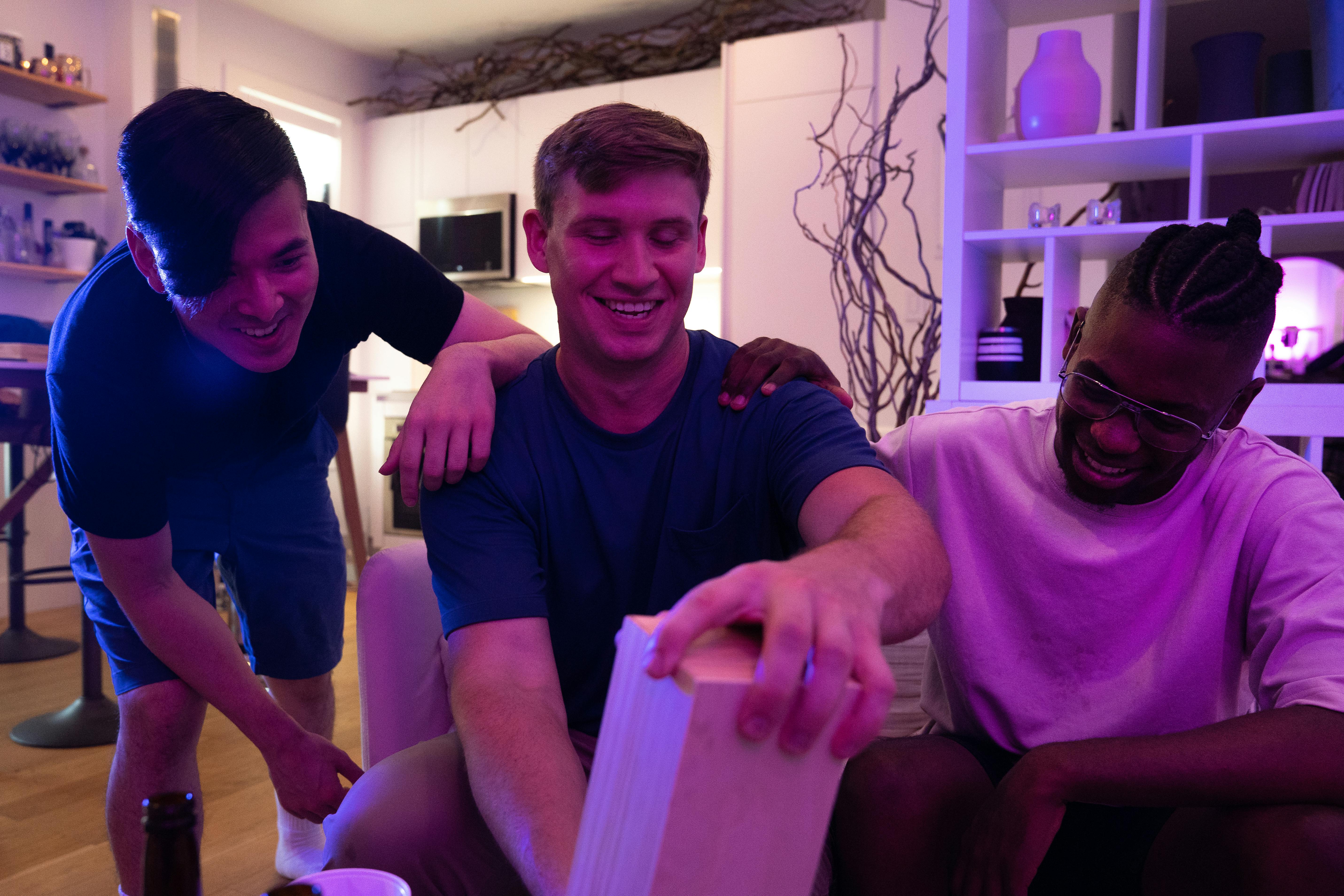
The shift is showing up in unexpected places. Eventbrite's Modern Meet Cute Index reveals a surge in hobby-specific gatherings where romance is a potential byproduct, not the stated objective. These aren't generic singles mixers—they're interest-first events where participants can pot a succulent or identify a sparrow without the performative pressure that makes app-based dating exhausting.

The retention crisis is no longer theoretical
Dating operators have spent the past eighteen months insisting that engagement metrics remain strong even as downloads plateau. The AppsFlyer numbers tell a different story. When seven in ten new users bin your app within 30 days, you're not suffering from seasonality or competitive pressure.
Create a free account
Unlock unlimited access and get the weekly briefing delivered to your inbox.
Match Group disclosed in its Q4 2024 earnings that Tinder's average revenue per payer increased 8% year-over-year, which sounds reassuring until you realise it's pricing power applied to a shrinking pool. Bumble pivoted to an "opening moves" product overhaul in 2024, explicitly designed to reduce ghosting and improve match-to-conversation rates—a tacit acknowledgement that the funnel is broken.
When seven in ten new users bin your app within 30 days, you're not suffering from seasonality or competitive pressure. You're selling a product people actively don't want to use.
What the Eventbrite data suggests is that Gen Z hasn't abandoned the idea of meeting people. They've abandoned the idea that messaging a stranger after three seconds of mutual appraisal is an efficient or emotionally tolerable way to do it. A separate survey from Hims in March 2025 found that 77% of Gen Z respondents met their current partner in person, not through an app.
The industry's response has been to bolt on events features—Bumble BFF and Bumble Bizz exist, Hinge has experimented with prompts encouraging offline activity, and Grindr has tested location-based event discovery in select markets. But none of these efforts treat events as the core product. They're features. Add-ons. The equivalent of a hotel offering free breakfast when guests are checking out because the rooms smell damp.
The business model implications are structural
Dating apps monetise attention and scarcity. Subscribers pay to skip queues, see who liked them, or send unlimited messages. The entire commercial engine depends on keeping users in-app, swiping, messaging, and—crucially—not meeting someone too quickly.
An events-first model inverts that logic. If the app becomes a discovery layer for birdwatching clubs or mahjong socials, the value exchange shifts. Users don't need unlimited likes. They need accurate event listings, attendee filters, and perhaps booking integration. Revenue moves from subscriptions to ticketing fees, affiliate commissions, or venue partnerships. Margins compress. Customer acquisition costs don't improve just because you're hosting a plant swap instead of a chat thread.
The operational complexity increases, too. Running a messaging platform requires moderation, yes, but it's algorithmically scalable. Running an events marketplace requires local partnerships, event verification, liability considerations, and trust and safety protocols for in-person gatherings. Operators would need to staff compliance teams differently and price accordingly.
Bumble's existing experiments suggest the company understands this. Its BFF and Bizz verticals are explicitly designed to test non-romantic use cases, though neither has scaled to represent a material portion of revenue. The company hasn't disclosed standalone financials for these products in recent earnings, which tells you everything you need to know about their current commercial contribution.
What's actually new here
The Eventbrite figures cover an unusual comparison period—January to June 2025 versus the same window in 2026, according to the source material—which appears to be a dating error and likely refers to 2024 to 2025 or 2023 to 2024. That matters. If the baseline year is 2023, the growth reflects post-lockdown normalisation as much as it does a structural preference shift. If it's 2024 to 2025, the trend is more recent and potentially more durable.
Either way, the direction is clear. Trivia nights explicitly marketed as "singles socials" don't grow 403% by accident. That's a category that didn't exist at scale two years ago.
Mahjong. Birdwatching. Terrarium workshops. These aren't generic mixers. They're interest-first gatherings where romance is a potential byproduct, not the stated objective.
What's interesting here is the hobby specificity. Mahjong. Birdwatching. Terrarium workshops. These aren't generic mixers. They're interest-first gatherings where romance is a potential byproduct, not the stated objective. That distinction matters because it removes the performative pressure that makes app-based dating exhausting. You're not there to be evaluated. You're there to pot a succulent or identify a sparrow. If you meet someone, great. If not, you've still spent an evening doing something you enjoy.
That's a fundamentally different value proposition than what Tinder or Hinge offer, and it's one the industry hasn't yet worked out how to monetise at scale.

Who's positioned to pivot
Bumble has the infrastructure. Its multi-vertical approach—dating, friendship, networking—gives it room to test event discovery without blowing up the core product. The company's Q4 2024 earnings showed total revenue of $273M, down 3% year-over-year, which suggests it has both the incentive and the balance sheet to experiment.
Match Group has the scale but also the legacy problem. Tinder is still the cash engine, and any move toward events-first design risks accelerating subscriber churn before new revenue streams mature. The company hasn't signalled a strategic shift in this direction, and its recent product updates—video profiles, AI-powered photo selection—suggest it's still optimising for in-app engagement.
Smaller operators and niche platforms have the most to gain. A dating app built explicitly around book clubs, running groups, or cooking classes could carve out a defensible position before the incumbents get their act together. Whether venture appetite exists for that kind of build is another question entirely, given the broader valuation collapse across consumer social.
The next twelve months will clarify whether this is a temporary vibe shift or a permanent reconfiguration of how young people meet. Operators should be watching event discovery app downloads, tracking partnership announcements between dating platforms and ticketing services, and paying close attention to how Bumble's non-dating verticals perform in upcoming earnings. If those numbers start to matter, the industry's centre of gravity is already moving.
Key Takeaways
- •Dating app operators face potential margin compression if they pivot from high-margin digital subscriptions to lower-margin event discovery and ticketing models.
- •Incumbents like Match Group and Bumble risk accelerating subscriber churn if they push users towards offline events without established alternative monetisation streams.
- •Operational complexity for dating app platforms will increase substantially due to physical event safety protocols, local venue partnerships, and modified compliance staffing.
Frequently Asked Questions
Data & Analytics Desk
The DII Data Team maintains the publication's trackers, market data and analytical reference hubs for the online dating industry.
Comments
Join the discussion
Industry professionals share insights, challenge assumptions, and connect with peers. Sign in to add your voice.
Your comment is reviewed before publishing. No spam, no self-promotion.