Hinge's 'Designed to Be Deleted' Strategy: Marketing Genius or Genuine Growth Driver?
Key Points
- •Hinge became Match Group's second-largest revenue contributor by Q3 2024, maintaining double-digit year-over-year revenue growth amidst broader market fatigue.
- •Match Group has withheld Hinge-specific deletion rates, retention cohorts, and average subscriber lifetime metrics from its public financial disclosures.
- •The average Hinge subscriber pays for three to six months before either finding a relationship or churning off the platform.
- •According to data from the Pew Research Centre, consumer satisfaction scores across major online dating applications have continuously declined since 2021.
Hinge's 'designed to be deleted' philosophy has become the dating industry's most scrutinised paradox. CEO Justin McLeod insists this anti-retention messaging drives commercial success, yet the claim raises fundamental questions about whether the app has genuinely cracked outcome-based monetisation or simply perfected relationship-focused branding.
The tension is unavoidable. Hinge operates on subscription economics that require renewals, whilst positioning itself as the app that wants users to leave. Match Group's selective disclosure of Hinge-specific metrics makes it impossible to verify whether deletion rates, retention cohorts, or subscriber lifecycles differ materially from competitors. What remains is a compelling brand narrative in a market increasingly defined by user fatigue and regulatory pressure around addictive design.

This is either the most honest admission in dating app leadership or the most sophisticated branding exercise in the sector. The reality is probably both. Hinge has clearly found a positioning that resonates with singles fatigued by swipe culture, but the business model still requires enough people staying long enough to convert to paid.
Create a free account
Unlock unlimited access and get the weekly briefing delivered to your inbox.
What's genuinely interesting isn't whether Hinge wants users to leave—it's whether the app has cracked a monetisation sweet spot where shorter user lifecycles are offset by higher conversion rates and lower acquisition costs.
That would be the real story, and one Match Group hasn't disclosed in sufficient detail for the market to assess properly.
Where the numbers would matter
McLeod's claim that Hinge has 'kept growing' needs quantification. Match Group has historically been selective about breaking out Hinge-specific metrics in earnings disclosures, bundling it into 'Emerging & Affinity' or referencing it alongside Tinder and the Evergreen apps. What the company has confirmed: Hinge was the second-largest revenue contributor in the portfolio as of Q3 2024, and revenue growth continued in double digits year-over-year.
What Match hasn't disclosed: deletion rates, average subscriber lifetime, or comparative retention cohorts versus Tinder or Bumble. Without those figures, the 'designed to be deleted' narrative remains qualitative. It's entirely possible that Hinge users delete the app at rates indistinguishable from competitors, but reactivate less frequently—or that the messaging attracts users with higher intent, who convert to paid subscriptions faster and churn out of choice rather than frustration.
The distinction matters for operators evaluating similar positioning strategies. If Hinge's growth is driven by superior unit economics—higher ARPU, lower CAC, better LTV despite shorter lifecycles—that's a playbook worth studying. If it's driven primarily by brand differentiation in a crowded market, with retention mechanics identical to rivals, the lesson is about marketing execution, not product philosophy.

The broader industry context
Hinge's branding gains potency from the broader fatigue narrative that's shaped the sector since 2021. Dating appDeleteDay trends on social platforms quarterly. Satisfaction scores across major apps have declined according to Pew Research Centre data. Regulatory scrutiny around dark patterns and addictive design has intensified, particularly in the EU under the Digital Services Act.
In that environment, an app that explicitly positions itself as anti-addictive and pro-outcome has clear strategic appeal. Bumble has attempted similar messaging around 'healthy connections'. Plenty of Fish historically emphasised relationship formation over casual dating. But neither has owned the narrative as successfully as Hinge.
The challenge for competitors is that Hinge's positioning is difficult to counter without sounding defensive.
Tinder can't credibly claim to prioritise relationships when its product design and brand identity have been built around casual discovery. Bumble's 'women make the first move' mechanic addresses behaviour, not outcomes. Smaller relationship-focused apps like eharmony or Match.com have the right positioning but lack the cultural momentum Hinge has built with younger demographics.
For Match Group, Hinge's growth provides useful portfolio balance. Tinder remains the revenue anchor, but its brand increasingly skews towards Gen Z and casual dating. Hinge allows Match to capture relationship-minded millennials without cannibalising Tinder's core audience. The company has been explicit in earnings calls about managing this segmentation across its portfolio.
What the model actually requires
Even if Hinge genuinely prioritises relationship outcomes, the business still depends on a steady pipeline of new singles entering the market and existing users taking long enough to find a match that they convert to paid. The average Hinge subscriber likely pays for at least three to six months before either finding a relationship or churning out. That's long enough to generate meaningful LTV, even if it's shorter than Tinder's swipe-and-subscribe cohorts who stay for years.
The product roadmap would tell the real story. Has Hinge resisted features that increase session length at the expense of match quality? Has it prioritised algorithm changes that surface better matches faster, even if that reduces time on platform? The company has introduced video prompts, voice notes, and compatibility scoring—all positioned as relationship-accelerating features. But competitors have added similar tools.
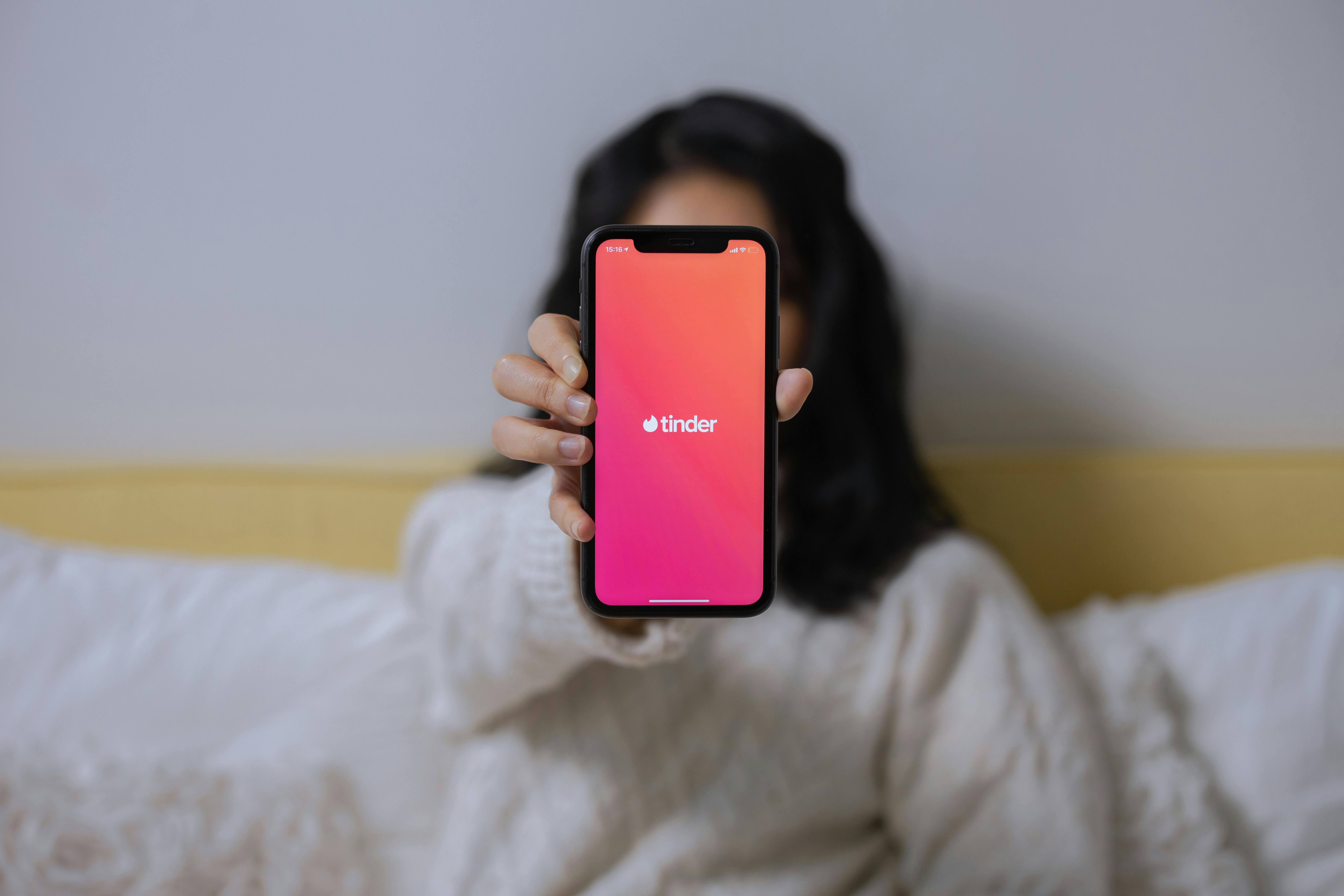
Where Hinge may have an edge is in what it hasn't done. The app has resisted adding Stories, endless swipe queues, or gamified features that other platforms use to drive daily active usage. The interface remains deliberately slower than Tinder. Whether that's principled product design or just effective brand consistency is an open question.
What's clear is that the 'designed to be deleted' message has commercial value independent of whether it's operationally true. It signals seriousness to relationship-minded singles, which filters the user base and potentially improves match quality through self-selection. That alone could drive better outcomes and stronger word-of-mouth growth.
The dating industry's broader shift towards outcome-based positioning will test whether Hinge has structural advantages or just first-mover credibility. If competitors can replicate the results without the messaging, the philosophy becomes marketing. If the messaging is inseparable from the execution, Hinge has built something genuinely defensible. Match Group's continued investment in the brand—and its reticence to disclose the underlying metrics—suggests the company believes it's the latter. While dating app revenues have increased every year since 2015, Hinge's growth contrasts sharply with declining user numbers at Bumble and stagnation elsewhere. Whether this reflects genuine success in fighting dating app fatigue or simply effective market positioning remains the industry's defining question.
Key Takeaways
- •Dating app operators must evaluate whether outcome-based positioning delivers higher user conversion rates and lower customer acquisition costs or merely acts as brand differentiation.
- •Investors need Match Group to disclose subscriber lifetime value and retention cohorts to assess whether Hinge possesses a true structural advantage over competitors like Bumble.
Frequently Asked Questions
Financial Intelligence Desk
The DII Financial Intelligence Desk covers earnings, valuations, funding and the financial performance of the global online dating industry.
Comments
Join the discussion
Industry professionals share insights, challenge assumptions, and connect with peers. Sign in to add your voice.
Your comment is reviewed before publishing. No spam, no self-promotion.