Grindr's Experiential Marketing: Monetizing Brand Discomfort
Key Points
- •Grindr generated $73.6 million in advertising revenue in 2024, marking a 37 percent year-on-year increase while competitor ad revenues stagnated.
- •Grindr converted 1.4 million of its 15 million monthly active users into paying subscribers, achieving an overall conversion rate of 9.3 percent.
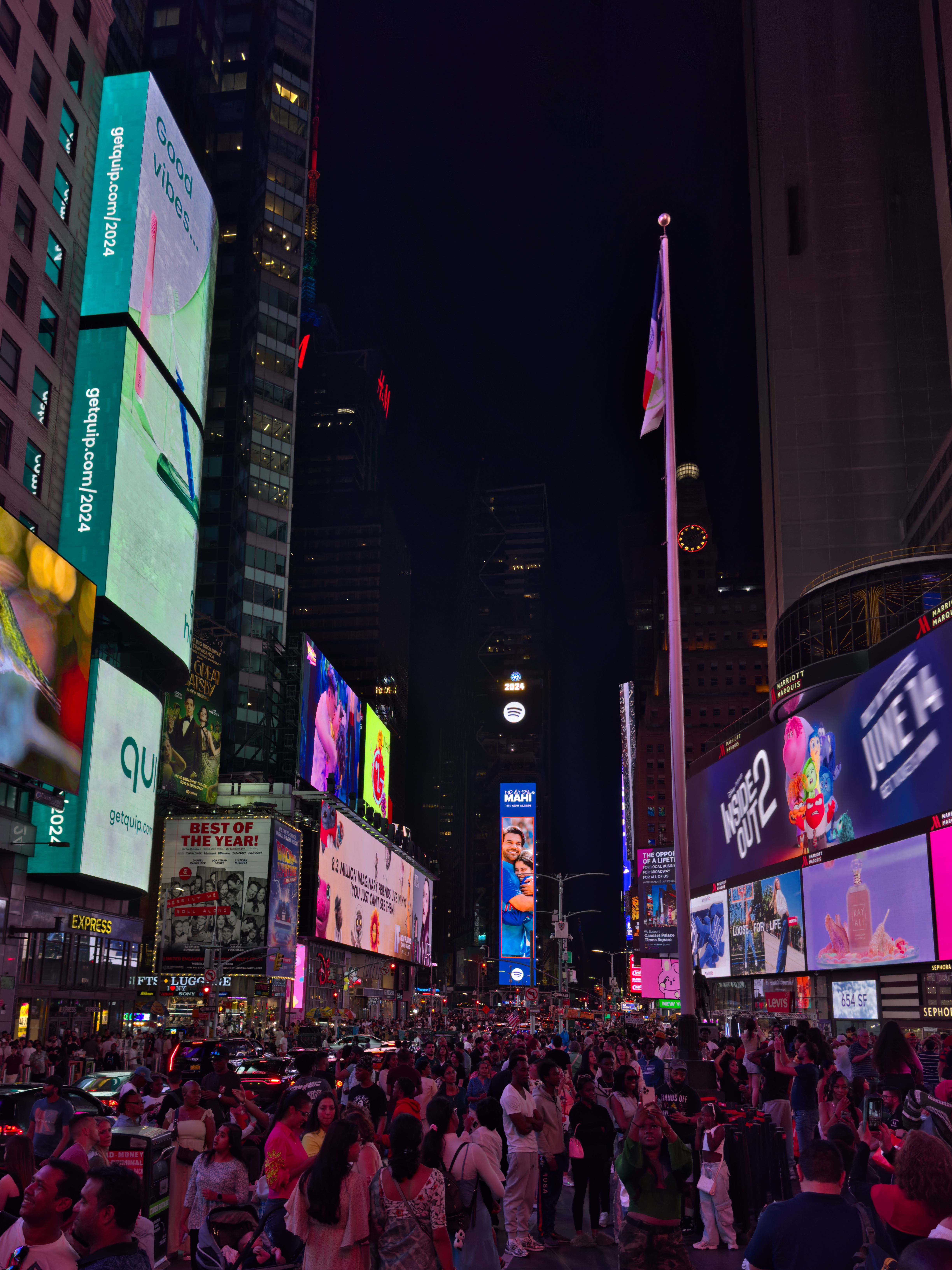
- •A single geolocation push notification from Grindr mobilised 50,000 attendees to a surprise Madonna performance in Times Square with 30 minutes' notice.
- •Grindr's social media content channels generate 32.7 million monthly impressions across 2.5 million followers to build commercial opportunities for mainstream advertisers.
Grindr is redirecting marketing spend from traditional digital channels into real-world events, creating a workaround for brands that want access to 15 million monthly LGBTQ+ users but remain hesitant to advertise inside a gay dating app. The strategy has unlocked partnership revenue previously inaccessible, with Madonna's team approaching the platform specifically because of its year-long repositioning beyond hook-ups. It's experiential marketing as reputation arbitrage—and it's delivering results that other dating platforms struggling with stagnant advertising revenue will be watching closely.
When brand safety meets brand homophobia
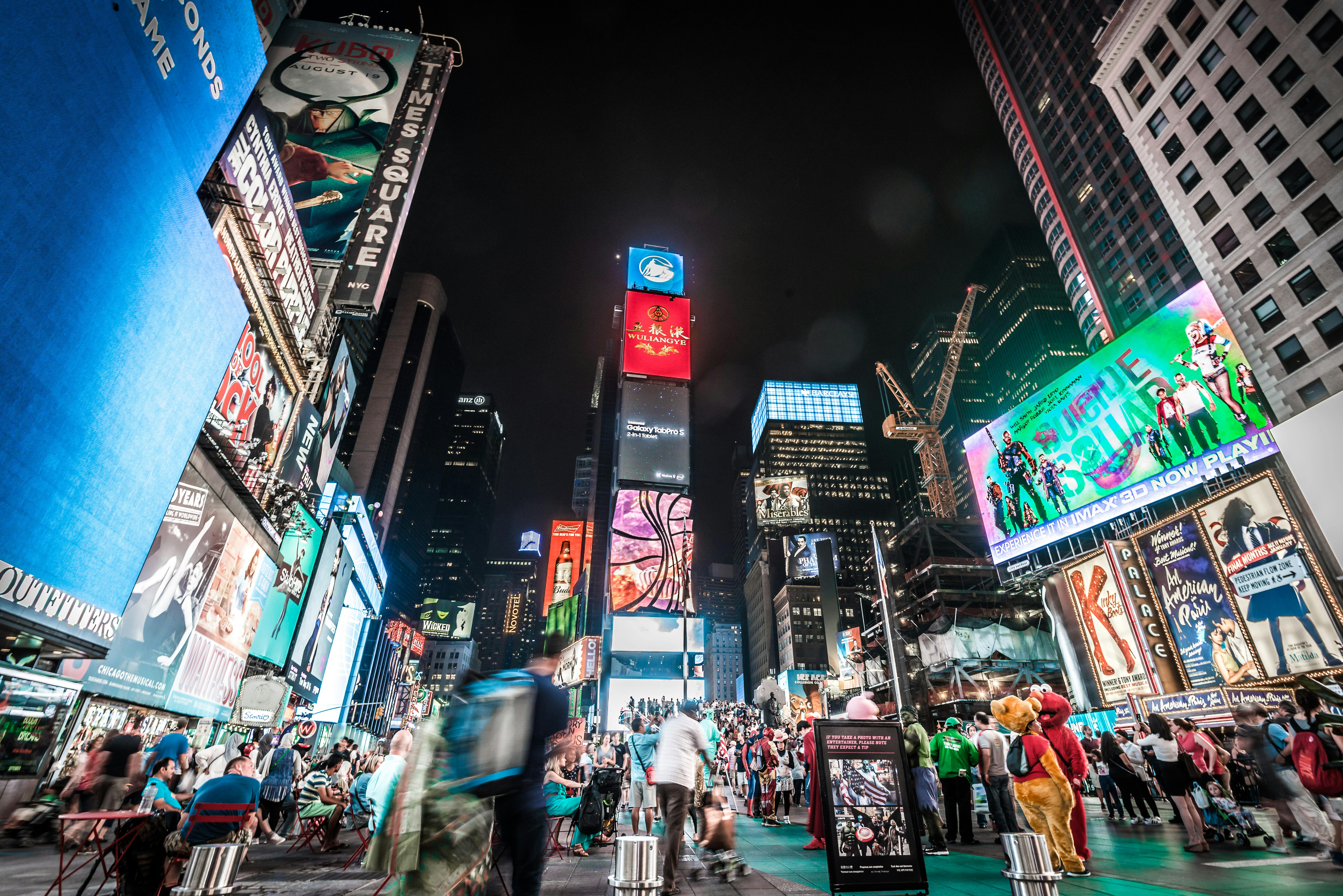
The Madonna promotion offers the clearest example of the strategy in practice. According to Grindr, the platform sent a push notification 30 minutes before a surprise concert in Times Square and drew 50,000 attendees to watch her perform tracks from a new album. The wider campaign included merchandise, in-app content, and a London launch party.
That 30-minute mobilisation window is the asset Grindr is selling. No traditional event promoter can replicate the immediacy of a geolocation-based push notification sent to millions of users already checking the app multiple times per day. For brands, it's instant access to a young, urban, affluent demographic with high disposal income—delivered via a mechanism that feels organic rather than interruptive.
Create a free account
Unlock unlimited access and get the weekly briefing delivered to your inbox.
Madonna's team wanted that access without placing ads inside Grindr itself. The campaign ran through branded events, merchandise, and social content—everything except direct in-app advertising.
The implication is clear. Brands will partner with Grindr as long as their logo doesn't appear next to profile photos and chat threads. Benjamin Cooper, Grindr's Director of Consumer Content, described the company's repositioning at the recent Global Dating Insights Conference in London. The platform's social channels now count 2.5 million followers and generate 32.7 million monthly impressions.
Content includes the Who's the Asshole? podcast, the Host or Travel series, and features covering gay communities globally. Cooper confirmed that Madonna's team approached Grindr after observing the prior year's content work—evidence that the rebrand is landing with the exact partners the company is pursuing. The October Pleasure Ball in New York and the current European branded bus tour extend the same playbook: create physical spaces where Grindr's community shows up, brands can activate, and the association feels celebratory rather than transactional.
Advertising growth against the sector trend
Grindr's advertising revenue hit $73.6 million in 2024, up 37% year-on-year, according to company disclosures. That growth rate stands out in a market where most dating platforms are seeing ad revenue stagnate or decline as they prioritise subscription models and wrestle with user fatigue. The figure remains modest relative to Grindr's subscription revenue, but the trajectory matters.
Whilst Match Group has effectively abandoned advertising as a meaningful revenue stream and Bumble's ad business has never gained material traction, Grindr is demonstrating that the right audience composition and engagement patterns can sustain a growing ad business alongside subscriptions. The platform currently counts 1.4 million paying subscribers from its 15 million monthly user base—a conversion rate of roughly 9.3%, which is healthy by industry standards.
But the company is also experimenting at the top end of the pricing spectrum with Edge, a new AI-powered premium tier priced at $200 per month. Morgan Stanley analysts estimate that converting just 0.25% of total users to Edge could generate revenue equivalent to a full year's growth, according to recent investor notes. That's speculative modelling rather than company guidance, but it signals how Grindr is thinking about revenue diversification: high-value subscribers, advertising partnerships, and experiential marketing all running in parallel.
What's actually being rebranded
Grindr isn't abandoning its core function. The app still facilitates immediate connections, and the user behaviour hasn't fundamentally changed. What's shifting is the public-facing narrative and the commercial infrastructure being built around that core. The rebrand allows Grindr to access partnership revenue that was previously off-limits whilst maintaining the product experience that drives retention and engagement.
Rather than fighting the brand safety concerns that keep mainstream advertisers away, build a parallel content and events operation that gives those same advertisers a palatable entry point. The audience doesn't change. The packaging does.
It's a hedge against platform dependence—if in-app subscription growth plateaus, the company has built alternative revenue channels through advertising and brand activations. For the dating industry, Grindr's approach offers a template for platforms serving niche or stigmatised communities. Build a parallel content and events operation that gives those same advertisers a palatable entry point.
Whether that represents commercial pragmatism or a capitulation to lingering corporate homophobia depends on your perspective. Probably both. Either way, Grindr has found a way to monetise the discomfort—and that's a strategy other operators will be studying closely.
Key Takeaways
- •Dating app operators serving niche or stigmatised user bases can bypass advertiser brand safety concerns by selling real-world activations and external media content rather than direct in-app banner ads.
- •Grindr's expansion into physical events and high-tier subscriptions demonstrates how niche platforms can diversify revenue streams when standard in-app ad monetization reaches operational limits.
Frequently Asked Questions
Financial Intelligence Desk
The DII Financial Intelligence Desk covers earnings, valuations, funding and the financial performance of the global online dating industry.
Comments
Join the discussion
Industry professionals share insights, challenge assumptions, and connect with peers. Sign in to add your voice.
Your comment is reviewed before publishing. No spam, no self-promotion.