

Hinge's Algorithm Denial: Transparency or Just Talk?
Key Points
- •Hinge Chief Executive Officer Jackie Jantos denied claims that the platform's matching algorithm systematically prioritises conventionally attractive users over other profile holders.
- •Hinge generated 77 million dollars in fourth-quarter 2024 revenue, representing a 34 percent year-on-year increase for parent company Match Group.
- •No major dating app operator publishes algorithmic ranking criteria, despite increasing regulatory oversight under the European Union Digital Services Act and United Kingdom Online Safety Act.
- •Hinge offers monthly premium subscription tiers priced at 29.99 dollars for Hinge+ and 49.99 dollars for HingeX.
Jackie Jantos has been Hinge's CEO for barely three months, and she's already fielding questions about whether the algorithm rewards good-looking people. Her answer, delivered to Fast Company this week: absolutely not. The denial is unequivocal, the evidence nowhere to be found.
This isn't simply a new executive doing damage control. Jantos took over from founder Justin McLeod in what Match Group framed as a planned succession, though the timing came as the parent company faces sustained pressure over user growth and engagement metrics across its portfolio. Her first major public intervention addresses one of the industry's most persistent accusations: that dating apps systematically deprioritise users deemed less conventionally attractive, effectively creating a two-tier system where some members are algorithmically invisible.

The allegation has circulated for years, fuelled by user complaints, Reddit threads dissecting match patterns, and the occasional data scientist posting reverse-engineering attempts. Independent verification remains impossible. Every major dating operator treats its algorithm as proprietary, and none publish the underlying logic. When users report sudden drops in match rates or visibility, they're left guessing whether they've been shadow-banned, downranked, or simply aged out of the algorithm's preferences.
Create a free account
Unlock unlimited access and get the weekly briefing delivered to your inbox.
Jantos is asking users to trust Hinge's stated intentions without offering a shred of transparency into how the algorithm actually functions.
That's a tough sell when the entire industry has spent a decade optimising for engagement and retention—not deletions. If Hinge genuinely doesn't factor attractiveness into its ranking system, the company could publish the criteria it does use, allow third-party audits, or at minimum disclose what signals drive profile visibility. Instead, we get assurances. In 2025, "trust us" isn't a compliance strategy, and it's certainly not a competitive advantage.
What Hinge Actually Claims
According to Jantos, the app's matching system prioritises users who engage meaningfully—those who comment on prompts, respond to messages, and demonstrate what the company characterises as "authentic" behaviour. The algorithm, she says, learns from these patterns and surfaces profiles more likely to generate mutual interest. Attractiveness, by this account, plays no role.
That explanation raises immediate questions. How does Hinge define "meaningful" engagement? If the algorithm rewards users who receive more responses, and if conventionally attractive users statistically receive more responses, then the system would effectively privilege attractiveness without explicitly scoring it. The distinction between direct and indirect bias matters less to the user who stops receiving matches.
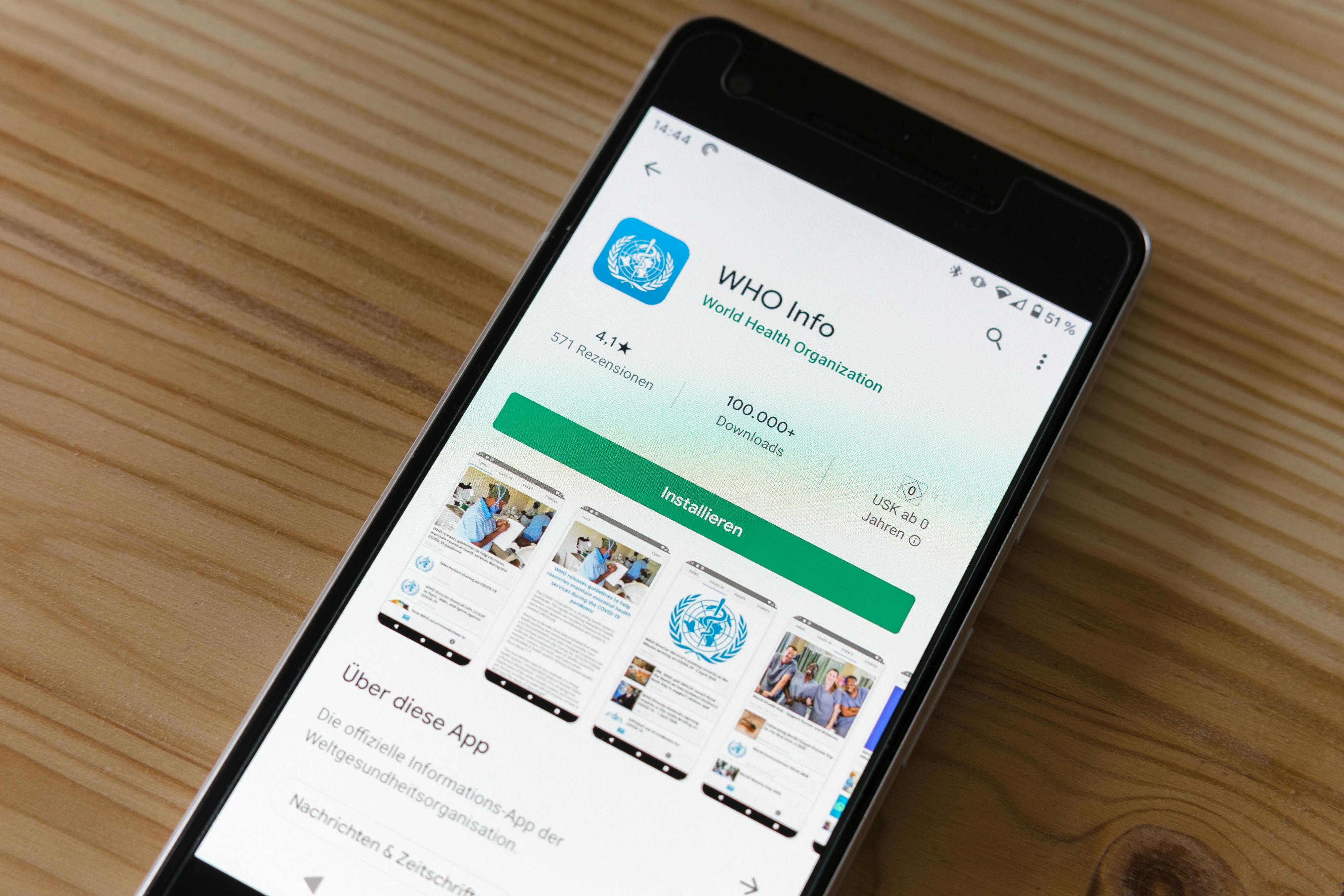
Jantos also told Fast Company that success at Hinge is "measured by users forming meaningful relationships," not by time spent in-app. This is the "designed to be deleted" positioning that McLeod built the brand around—a deliberate contrast to the swipe-heavy, gamified experience of Tinder. It's compelling marketing. It's also difficult to reconcile with Match Group's business model, which depends on subscription revenue from premium tiers.
Match Group's Q4 2024 earnings, reported in February, showed Hinge delivering $77M in quarterly revenue, up 34% year-on-year. Growth remains strong, but the company disclosed that user acquisition costs are rising and that "product engagement" varies significantly across cohorts. The disclosure didn't define those cohorts, but investors noted the language.
Every deletion is a cancelled subscription. Churn is the enemy of recurring revenue.
Why Transparency Remains the Missing Variable
The algorithm opacity isn't unique to Hinge. Bumble doesn't publish its ranking criteria. Tinder doesn't explain how Elo scores function. Grindr offers no visibility into its Explore grid logic. Every operator claims to optimise for "meaningful connections" or "community safety," but none provide falsifiable evidence.
Regulatory pressure is building. The EU Digital Services Act requires platforms to provide greater transparency into algorithmic decision-making, though enforcement remains patchy and dating apps have largely escaped the scrutiny aimed at social media giants. The UK Online Safety Act includes provisions around algorithmic harm, but the focus has been on content moderation rather than matching logic. No regulator has yet demanded that dating apps disclose how they rank and surface profiles.

That gap leaves operators free to make unverifiable claims. When Jantos says Hinge doesn't favour attractive users, she's asking members to accept that on faith. The alternative—publishing the ranking criteria or allowing third-party audits—would expose commercial logic that every competitor wants to protect. It would also invite uncomfortable questions about whose behaviour the algorithm rewards and whose it ignores.
What Comes Next
Jantos inherits a product that's performed well for Match Group but faces the same headwinds as the rest of the portfolio: user fatigue, rising acquisition costs, and persistent complaints about match quality. Her public positioning on algorithmic fairness suggests she's aware that trust is eroding. Whether she's willing to address that with actual transparency—rather than reassurances—will define her tenure.
For operators watching this unfold, the lesson is clear. Algorithmic denials without evidence won't satisfy users, and they won't satisfy regulators for much longer. The industry has spent years insisting that proprietary matching systems are too complex and too valuable to explain. That defence is wearing thin.
If dating apps want members to believe they're being treated fairly, they'll need to show their work. Until then, every executive denial just raises the next question: what exactly are you hiding? This isn't the first time Hinge's leadership has denied attractiveness bias claims, and without meaningful transparency, it's unlikely to be the last.
Key Takeaways
- •Dating app operators face inherent friction between subscription revenue models reliant on user retention and marketing claims that focus on facilitating offline relationships.
- •Compliance teams should prepare for heightened scrutiny as enforcement of the European Union Digital Services Act expands from social networks to dating platforms.
- •Investors are evaluating whether unverified algorithmic fair-play claims can sustain user trust alongside rising user acquisition costs across Match Group portfolio products.
Frequently Asked Questions
Policy & Regulation Desk
The DII Regulatory Monitor tracks legislation, enforcement action, safety rules and compliance across dating industry markets.
Comments
Join the discussion
Industry professionals share insights, challenge assumptions, and connect with peers. Sign in to add your voice.
Your comment is reviewed before publishing. No spam, no self-promotion.


