AI's Double-Edged Sword: UK Daters Embrace Tech They Distrust
Key Points
- •A Bluebella survey of 2,000 UK singles found that 36 per cent of online daters use AI to write profiles or messages, up from 21 per cent last year.
- •Sixty-six per cent of respondents stated they would be less attracted to someone using AI for communication, while 54 per cent of AI users admitted the practice feels dishonest.
- •The research revealed widespread fatigue, with 78 per cent of UK singles reporting dating app burnout and 81 per cent feeling pressure to appear perfect online.
- •Seventy per cent of survey respondents reported meeting a match in person who differed significantly from their online conversational persona.
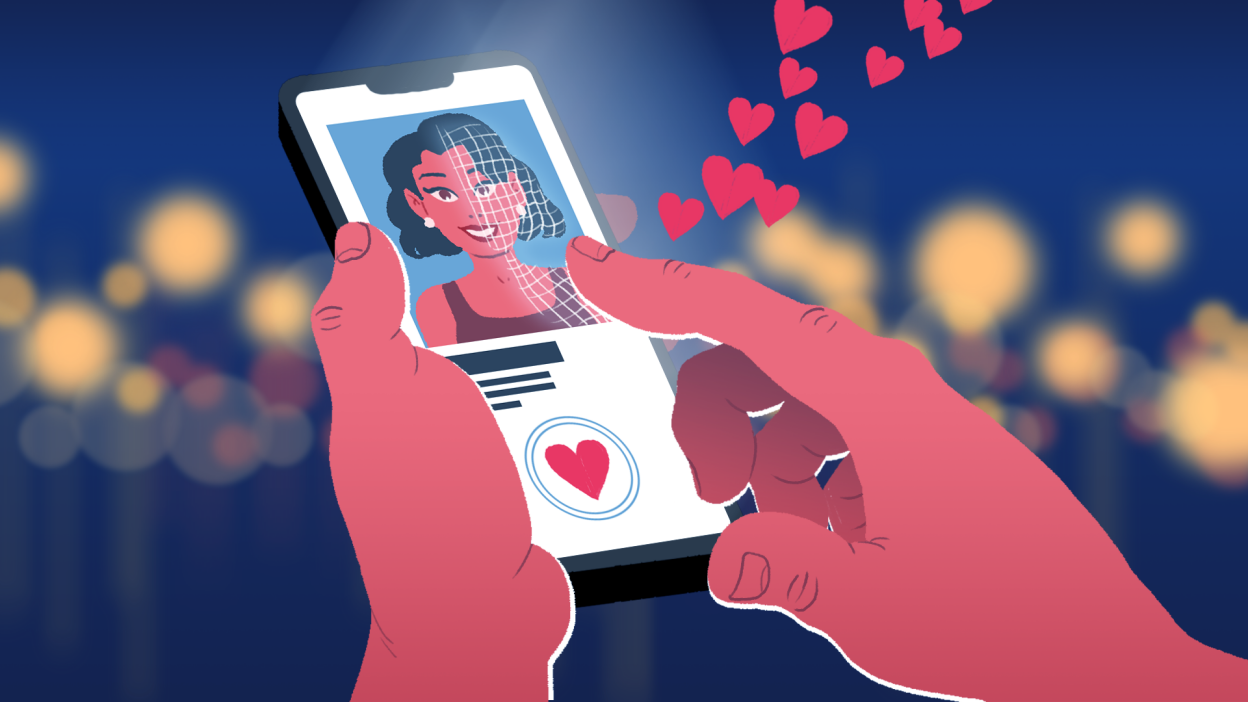
Over a third of UK online daters now deploy AI to write their profiles or messages, according to new research from Bluebella—a figure that's jumped from 21% just twelve months ago. The twist? Two-thirds of those same singles say they'd be less attracted to someone using the technology. Welcome to the authenticity arms race, where everyone's cheating just to stay competitive.
The figures, drawn from a survey of 2,000 UK singles commissioned by the lingerie brand, point to a market caught in a spiral of mutual deception. Dating app operators have spent years preaching authenticity as the antidote to platform fatigue. Yet their members are increasingly outsourcing the very communication that's supposed to reveal personality, wit, and compatibility.

The Trust Crisis in Numbers
This isn't a technology adoption story. It's a trust crisis in numbers. When more than half of people using a tool consider it dishonest, and adoption is accelerating anyway, you're watching a tragedy of the commons play out in real time—everyone defecting because they assume everyone else already has. The dating industry has spent two decades optimising for efficiency and scale.
Create a free account
Unlock unlimited access and get the weekly briefing delivered to your inbox.
If platforms don't build mechanisms to separate AI-generated chat from human conversation, they risk becoming glorified Turing tests where the reward for passing is a disappointing first date.
If adoption maintains its current trajectory—21% to 36% in a year—simple extrapolation suggests a majority of UK daters could be using AI by 2027. That projection, whilst not a formal forecast, underscores how quickly behaviour is shifting. Importantly, this isn't early-adopter enthusiasm. It's driven by exhaustion.
Bluebella's research found 78% of respondents report dating app burnout. Another 81% feel pressure to appear perfect online. AI isn't being adopted as an enhancement tool. It's a coping mechanism for a user experience that's become unsustainable.
The Disappointment Gap
That 70% of respondents reported meeting someone who seemed different in person than their messages suggests the AI gap is already creating widespread disappointment. The cognitive dissonance is remarkable: people use AI to shortcut the grind, then feel let down when the shortcut produces hollow interactions. They're solving for volume when the problem is quality.

Match Group (MTCH) has been vocal about AI integration, positioning tools like Tinder's AI photo selection and Hinge's personalised prompts as member benefits. Bumble (BMBL) launched AI-powered opening lines last year. Both frame this as augmentation, not replacement—helping members present themselves better, not differently.
That framing collapses when adoption becomes widespread and covert. There's a categorical difference between a platform suggesting a photo and a member outsourcing their entire conversational presence to a third-party LLM. The former is curation. The latter is catfishing with extra steps.
What Operators Are—and Aren't—Doing
Dating apps have detection tools for fake profiles and spam. They don't yet have reliable ways to flag AI-generated conversation, nor clear policies on whether that even constitutes a violation. Terms of service prohibit impersonation, but does an AI writing as you count? The silence is conspicuous.
Grindr (GRND) CEO George Arison told investors in February that AI would be 'transformative' for the business, specifically citing conversational tools. He's not wrong. But transformation cuts both ways. If AI increases message volume but degrades connection quality, operators may find themselves with better engagement metrics and worse retention.
When more than half of people using a tool consider it dishonest, and adoption is accelerating anyway, you're watching a tragedy of the commons play out in real time.
The Prisoner's Dilemma
Perhaps most revealing is that 54% of AI users themselves consider the practice dishonest. They're not oblivious. They know they're misrepresenting their personality. They're doing it anyway because they believe—probably correctly—that others are too.
This creates a prisoner's dilemma. If everyone uses AI, nobody gains an advantage, but everyone loses the ability to signal authenticity. The market punishes honesty. A thoughtfully written but imperfect message gets outcompeted by a polished AI response, so rational actors adopt AI—even when they find it distasteful.

Dating apps have historically relied on member effort as a filter. Writing a decent opener takes time, which selects for people willing to invest in connection. AI removes that friction, which sounds like a feature until you realise the friction was doing useful work. It separated signal from noise.
The Breaking Point
If AI adoption reaches majority penetration, the entire premise of text-based courtship shifts. Members won't be assessing each other's wit, empathy, or communication style. They'll be evaluating whose AI wrote a better pastiche of those qualities. The person behind the profile becomes increasingly abstracted.
Some might argue this just accelerates the inevitable—that dating apps were always about getting to the in-person meeting, and text-based vetting was imperfect anyway. But the Bluebella data contradicts that. Members are already reporting misalignment between online and offline personas at rates that suggest something is breaking.
The commercial question for operators is whether this matters to retention and revenue. If members are burned out and using AI to avoid burnout, but still paying for subscriptions and clicking through profiles, does the underlying dissatisfaction show up in the P&L? Eventually, yes.
Platforms could address this with verification layers—human-written badges, AI detection, conversational Turing tests. They could make AI use an explicit opt-in with disclosure to matches. They won't, because doing so would surface just how widespread adoption already is, and because restricting AI use means restricting engagement, which means worse metrics.
The result is a market failure. Everyone uses AI because everyone else does, and platforms have no incentive to break the cycle. Members get exactly what they don't want—a dating pool full of people outsourcing personality—because individual rationality produces collective irrationality. The only question is how long operators can sustain engagement when the gap between online conversation and offline reality becomes too wide to ignore. Based on the Bluebella data, that gap is already a chasm. And it's widening.
Key Takeaways
- •Dating app operators face a retention risk as artificial intelligence adoption degrades connection quality, despite temporary boosts to platform engagement metrics.
- •Compliance and product teams may eventually need to implement verification layers or explicit disclosure policies for AI-generated conversations to restore user trust and prevent churn.
Frequently Asked Questions
Data & Analytics Desk
The DII Data Team maintains the publication's trackers, market data and analytical reference hubs for the online dating industry.
Comments
Join the discussion
Industry professionals share insights, challenge assumptions, and connect with peers. Sign in to add your voice.
Your comment is reviewed before publishing. No spam, no self-promotion.