Pure's CTV Rejection: A Legacy Problem for Evolving Dating Apps
Key Points
- •Dating app Pure launched its first US connected TV campaign through programmatic buying after Hulu and Netflix rejected its direct ad placements.
- •Premium streaming publishers rejected Pure's ads due to the app's historical positioning as an anonymous hookup platform, despite its current safety-focused messaging.
- •Pure claims to have achieved a 50/50 gender balance among active users following a five-year rebranding pivot toward consent-focused dating and mandatory photo verification.
- •Other niche dating apps including Feeld and Ashley Madison face similar ad resistance from mainstream media gatekeepers despite updating their community safety standards.
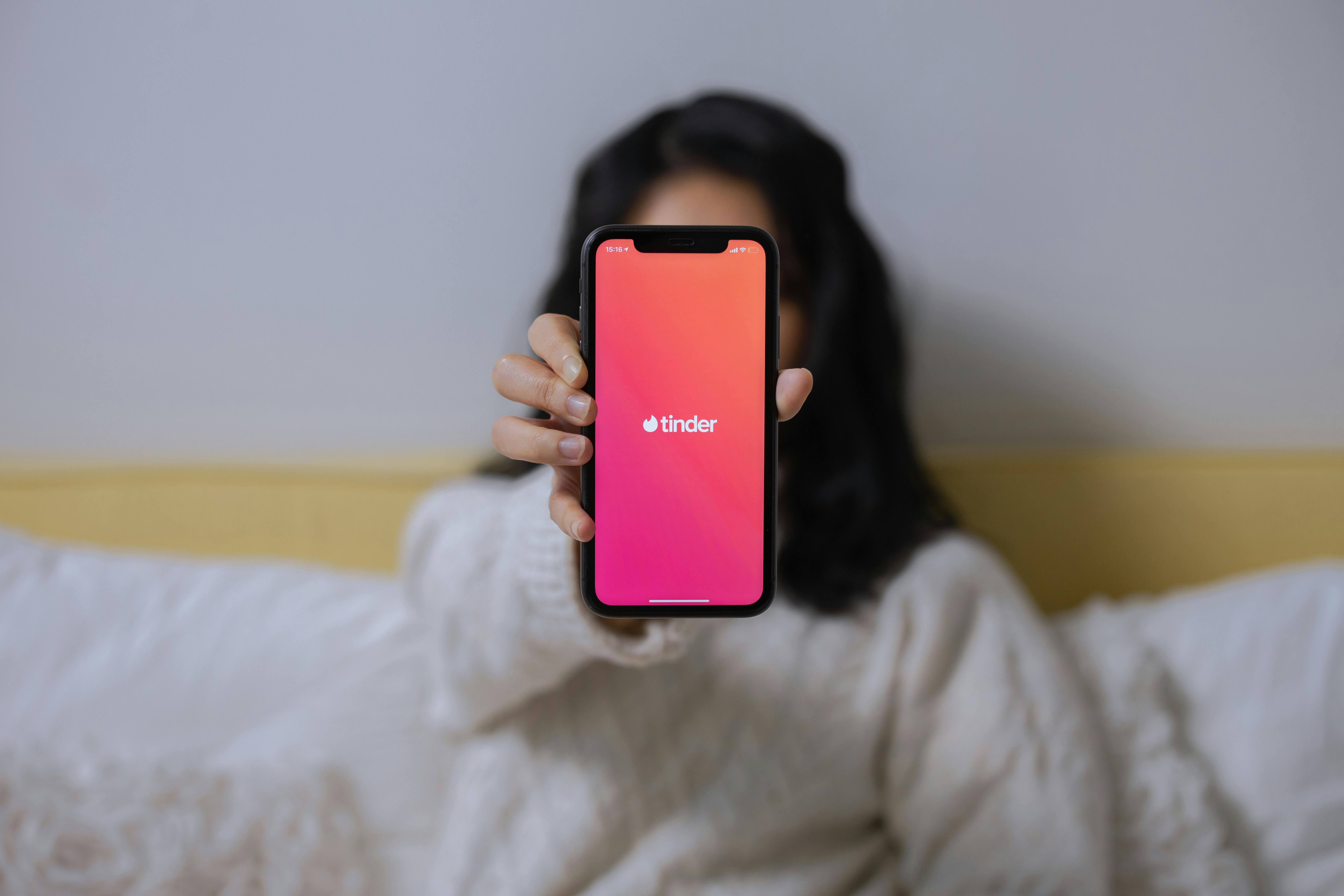
Pure's five-year rebrand has delivered a 50/50 gender split and a pivot from anonymous hookups to consent-focused dating. Major streaming platforms still won't touch its ads. The dating app launched its first US connected TV campaign this month — but only through programmatic buying after Hulu, Netflix, and other premium publishers rejected its creatives outright.
The issue wasn't the content. Pure's CTV spots centre on safety features, consent messaging, and relationship-building. None of that mattered. What mattered was the app's history as an explicitly sexual platform promising anonymous encounters, a positioning the company abandoned years ago. For media gatekeepers, that legacy proved impossible to shake.

This is less about one app's advertising woes and more about the structural disadvantage dating operators face when trying to evolve their brands.
Pure has done the work — rebuilt the product, expanded its team, shifted its messaging entirely. Yet it's still being judged by what it was in 2019. Meanwhile, mainstream streaming services happily run ads for pharmaceutical products with side-effect warnings longer than the spots themselves. The inconsistency reveals how much of platform advertising policy is driven by brand perception rather than actual content risk.
Create a free account
Unlock unlimited access and get the weekly briefing delivered to your inbox.
The rejection forced Pure into programmatic CTV inventory — the digital equivalent of buying remnant ad space. According to the company, it approached multiple tier-one streaming publishers directly. All declined. The app's team then worked with its media buying partner to access lower-tier inventory through automated exchanges, where publisher scrutiny is lighter and brand safety filters less stringent.
Pure's chief marketing officer told trade press the rejections came despite the company's 'significant transformation' since 2018. That transformation isn't just messaging. The app claims to have achieved a 50/50 gender balance among active users, a metric that remains exceptionally rare in dating apps. Most platforms skew heavily male — Grindr (GRND) is structurally single-gender, whilst heterosexual apps typically report 60/40 or worse male-female ratios.
The company declined to provide verification of the gender split figures or define how it measures 'active' users. That caveat matters. Dating apps routinely cite favourable metrics without disclosing lookback windows or activity thresholds. Still, achieving gender balance is sufficiently difficult that fabricating it would be a remarkably bold lie. Most operators struggle with this for structural reasons: men typically show higher willingness to pay and lower selectivity, creating incentives to prioritise male acquisition even as it degrades the product.
Why CTV rejection matters for dating operators
Connected TV represents one of the few premium brand-building channels still accessible to dating apps. Meta's platforms continue to restrict dating and sexual wellness advertising, limiting creative formats and targeting capabilities. Google maintains similar guardrails. TikTok's policies remain opaque and inconsistently enforced.
Except when it doesn't. The major streaming publishers — Hulu, Netflix's forthcoming ad tier, Peacock — operate as walled gardens with direct-sold inventory and manual advertiser approval. Their brand safety teams function as gatekeepers, and their decisions carry no appeal process. An app rejected by Hulu has no recourse beyond programmatic exchanges, where it competes with direct-response advertisers and commands lower attention.

The financial impact extends beyond media efficiency. Dating apps attempting to move upmarket need brand perception work that performance marketing cannot deliver. Pure's pivot from hookups to consent-focused dating requires reaching potential users who've never heard of the app — or who remember its old positioning. CTV's lean-back viewing context and premium content adjacencies would support that goal. Programmatic inventory on lower-tier streaming apps delivers reach without the halo effect.
Other dating operators face versions of this problem. Ashley Madison spent years trying to rehabilitate its brand after the 2015 data breach, running conventional relationship-focused creative. Many mainstream publishers still decline its business. Feeld, which positions itself around non-traditional relationships and sexual exploration, encounters similar resistance despite emphasising safety and community standards.
The timing problem in platform gatekeeping
Pure launched in 2014 as an explicitly sexual app. Its original positioning emphasised spontaneity, anonymity, and immediate encounters. Photos disappeared after an hour. Matches expired quickly. The entire product encouraged fast decisions and minimal conversation. That version of Pure would struggle to pass even basic advertising review at most platforms.
The company began shifting away from this model around 2018, according to press materials. It introduced safety features, mandatory photo verification, and expanded messaging capabilities. It hired a chief marketing officer and built an in-house creative team. The rebrand accelerated through 2020 and 2021. By 2023, the app's positioning centred on consent, authenticity, and intentional dating — concepts nearly opposite its original premise.
Platform gatekeepers appear to operate on institutional memory rather than current product reality.
A rejection in 2024 based on 2014 positioning suggests these teams lack mechanisms for reassessing brands that have undergone substantive changes. That creates a particularly cruel bind for apps attempting to mature: the more explicit your original positioning, the harder your pivot must work, yet your ability to reach new audiences through brand advertising remains constrained by outdated assessments.
The contrast with other advertising categories is stark. Pharmaceutical companies shift messaging dramatically as products move from launch to maturity. Alcohol brands reposition constantly. Even financial services companies — subject to extensive regulatory oversight — can refresh their advertising approach without facing categorical rejections based on past campaigns. Dating apps enjoy no such flexibility.
Pure's programmatic CTV campaign will reach viewers. The question is which viewers, in what context, adjacent to what content. Programmatic inventory on CTV spans quality levels from nearly-premium to barely-watchable. Without direct publisher relationships, Pure has limited control over where its ads appear. That undermines the brand-building purpose that motivated CTV investment in the first place.
Watch whether other dating operators attempting similar pivots encounter the same resistance. If platform gatekeepers continue judging dating apps by their historical positioning rather than current products, it suggests the dating category faces structural brand-building disadvantages that no amount of product improvement can overcome. The only path forward may be building audiences entirely through performance channels, then hoping word-of-mouth eventually reshapes perception — a slower, costlier route that favours incumbents with existing scale.
Key Takeaways
- •Streaming platform gatekeepers rely on institutional memory and historical brand perception rather than evaluating present-day product features or ad creative, placing evolving dating apps at a structural disadvantage.
- •Dating operators attempting to pivot upmarket may be restricted to programmatic channels and performance marketing, limiting their ability to build premium brand equity against established incumbent platforms.
Frequently Asked Questions
Newsroom
The DII Newsroom reports daily breaking news across the global online dating, matchmaking and social discovery industry.
Comments
Join the discussion
Industry professionals share insights, challenge assumptions, and connect with peers. Sign in to add your voice.
Your comment is reviewed before publishing. No spam, no self-promotion.