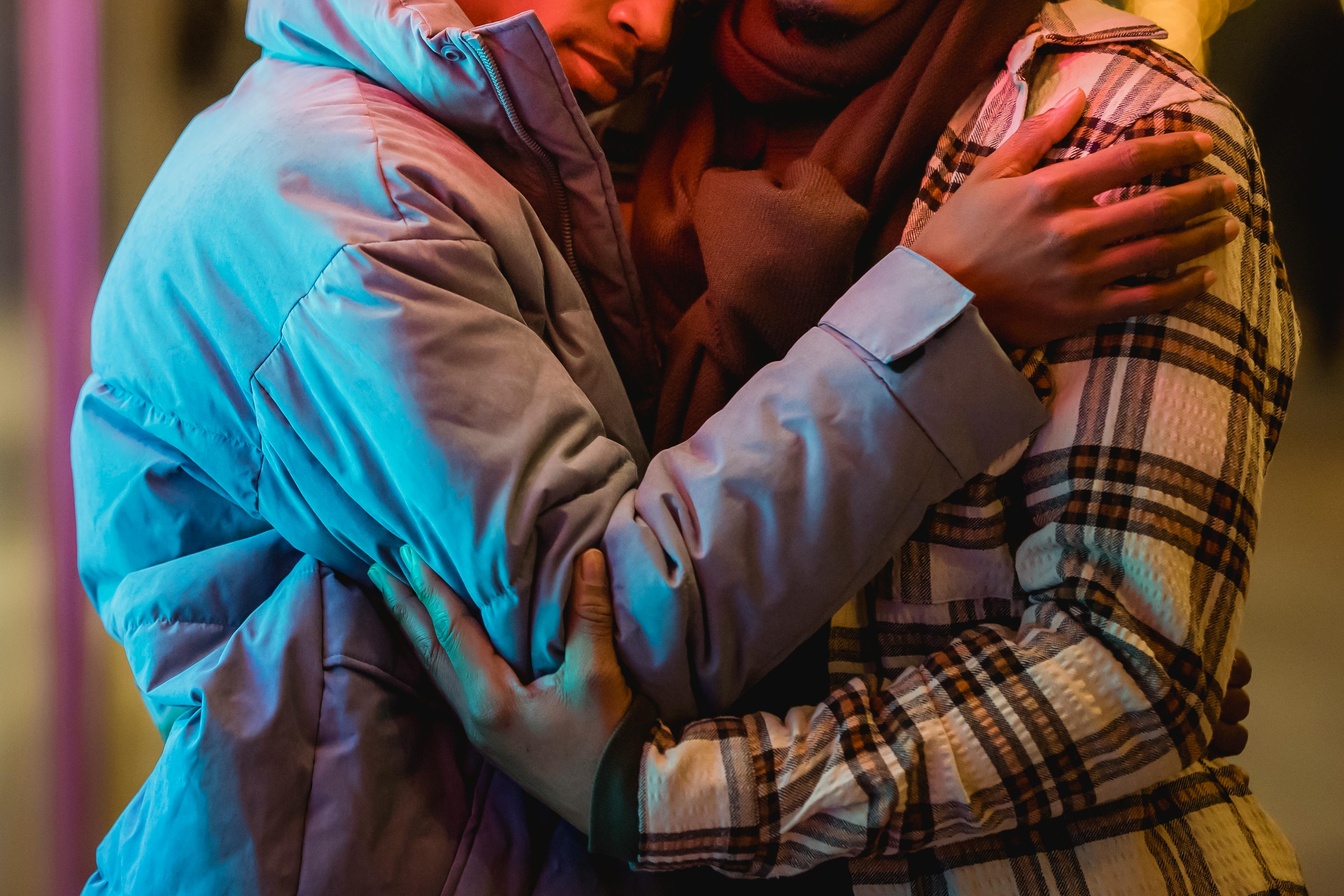
Hinge's LGBTQIA+ Report: The Slow Dating Revolution Apps Can't Ignore
Reviewed and updated:
Key Points
- •Hinge surveyed 31,000 users for its 2026 LGBTQIA+ report, finding 76 percent of LGBTQIA+ daters feel deeply uncertain about the wider world compared to 52 percent of heterosexual daters.
- •The Hinge report revealed 52 percent of LGBTQIA+ users move more slowly in dating due to uncertainty, compared to 44 percent of straight users.
- •According to Hinge, 86 percent of LGBTQIA+ daters state consistent communication reduces anxiety, whilst 84 percent prioritise shared values before considering long-term compatibility.
- •Hinge data showed LGBTQIA+ daters are 33 percent more likely than heterosexual users to introduce prospective partners to friends early in a relationship.
Dating apps face a design crisis they've spent years ignoring: their fastest-growing user segment wants the exact opposite of what the platforms were built to deliver. Hinge's 2026 LGBTQIA+ D.A.T.E. Report reveals queer daters are rejecting the gamified swipe-and-match model in favour of slower pacing, demonstrated consistency, and behavioural follow-through. The business model says speed; the user data says wait.
This isn't sentiment. It's a structural mismatch between platform incentives and user behaviour that threatens the engagement metrics dating apps monetise. For Match Group, Bumble, and every operator tracking monthly active sessions, the question isn't whether LGBTQIA+ preferences are valid — it's whether serving them is commercially viable.

The consistency problem
Hinge's data introduces a term worth monitoring: "Private Displays of Consistency." These are the check-ins, remembered details, and follow-through actions that LGBTQIA+ daters now value more than traditional romantic gestures. The platform found these users are 31% more likely than heterosexual daters to need reassurance amid uncertainty, and 86% say consistent communication reduces their anxiety.
Create a free account
Unlock unlimited access and get the weekly briefing delivered to your inbox.
That creates a product design challenge most apps aren't equipped to handle. Gamification mechanics reward frequency and volume. Algorithms optimise for engagement, not reliability. Features like read receipts and typing indicators increase tension, not trust.
Yet the behaviour Hinge is documenting suggests LGBTQIA+ users want the opposite: evidence of sustained attention, signals that someone will show up repeatedly, proof of intent demonstrated through small actions over time. How do you surface "most likely to remember what you said three conversations ago" or "responds within a consistent timeframe"? These aren't attributes you can extract from a profile.
They emerge through interaction — which means platforms would need to track and potentially surface behavioural consistency metrics. That's technically feasible. Whether it's commercially desirable is another question entirely.
The problem is retention. Apps built for speed generate revenue through churn: failed matches drive users back to the platform. A system optimised for slower relationship development and sustained compatibility might reduce monthly active sessions even as it improves relationship outcomes. For Match Group or Bumble, that's not a feature. It's a margin problem.
Chosen family as a validation layer
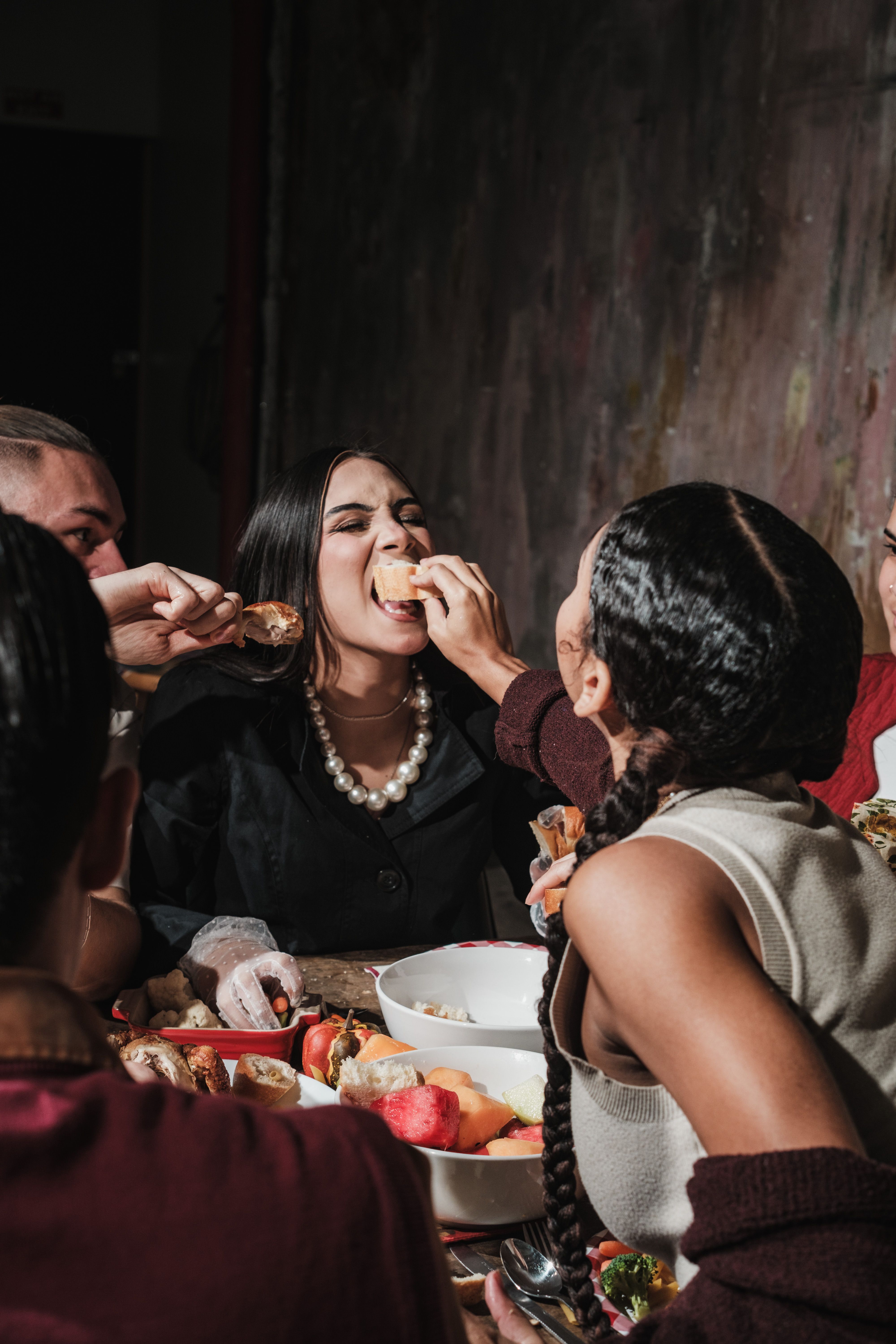
One data point stands out for its structural implications: LGBTQIA+ daters are 33% more likely than heterosexual users to introduce partners to friends early in the relationship. Hinge's Love and Connection Expert Moe Ari Brown frames this as part of the evaluative process — observing how a potential partner interacts with chosen family.
That reflects community structures where friend networks often provide validation unavailable from biological families, particularly for queer users navigating rejection or estrangement. But it also suggests an untapped product opportunity. Dating apps have largely treated relationships as dyadic — two people, one match. The data here points to a more networked model, where friend groups function as de facto trust and safety layers.
Platforms could build features that acknowledge this. Friend vouching systems, shared group introductions, or even community-validated profiles would align with how LGBTQIA+ daters already behave offline. Lex, the text-based queer dating app, has leaned into community structure as a differentiator. Feeld, with its emphasis on non-traditional relationship formats, similarly acknowledges that relationships don't always map onto the one-to-one model Tinder popularised.
Mainstream platforms have mostly ignored this, despite representing significant LGBTQIA+ user bases. The integration opportunity exists, but it requires rethinking match mechanics that have underpinned the industry since 2012.
What's actually being measured
The usual caveats apply. This is self-reported data from Hinge users, a population already skewed toward those who've stuck with app-based dating and are willing to complete surveys. The 31,000 sample size is respectable, but it doesn't capture LGBTQIA+ daters who've abandoned apps entirely, nor those who never joined.
Causation between global uncertainty and dating behaviour is implied throughout the report but never proven — correlation is doing heavy lifting here. Brown's interpretation, whilst insightful, comes from Hinge's own expert, not an independent researcher. That doesn't make the data invalid, but it does mean the framing serves the platform's narrative.
Hinge has positioned itself as the anti-swipe app since Match acquired it in 2019, so findings that validate "designed to be deleted" messaging are on-brand.
What operators should watch for is whether this trend appears in data from other platforms, particularly those with different user demographics. If Grindr, Bumble, or HER are seeing similar shifts toward slower pacing and consistency-focused behaviour, that's a signal. If it's isolated to Hinge, it's a positioning story.

The product vs. revenue dilemma
The tension between what LGBTQIA+ users say they want and what dating apps are built to deliver isn't going away. Platforms can redesign for consistency and slower pacing, accepting the engagement trade-offs that come with it. Or they can keep optimising for speed and volume, risking an exodus to niche apps that better serve these preferences.
The apps that solve for both — speed for users who want it, depth for those who don't — will have built something genuinely difficult to replicate. The rest will keep running surveys and wondering why 90% of LGBTQ+ daters report feeling uncertain about the future, whilst uncertainty actually helps them clarify what they're looking for in relationships.
What's clear is that LGBTQIA+ daters aren't asking for cosmetic changes. They're demanding features that contradict core engagement mechanics: slower pacing over rapid matching, demonstrated consistency over profile optimisation, networked validation over algorithmic suggestion. Meeting those demands means rethinking what a dating app is supposed to do — and who it's supposed to serve.
Key Takeaways
- •Dating app operators face a structural conflict between high-churn monetisation mechanics and growing LGBTQIA+ user demands for slow-paced, consistency-based relationship features.
- •Platforms that successfully develop dual-speed functionality or integrate networked social validation into match architecture will establish strong competitive differentiation against traditional swipe-based products.
Frequently Asked Questions
Data & Analytics Desk
The DII Data Team maintains the publication's trackers, market data and analytical reference hubs for the online dating industry.
Comments
Join the discussion
Industry professionals share insights, challenge assumptions, and connect with peers. Sign in to add your voice.
Your comment is reviewed before publishing. No spam, no self-promotion.