

Happn's 'Single Support' Campaign Is Better Positioning Than the App Deserves
Key Points
- •Happn is offering three Dutch singles up to €1,500 towards housing costs between 14 and 23 February as part of its Single Support campaign.
- •A survey of 1,158 Dutch Happn users revealed that 32 percent identified housing expenses as their largest financial burden while living alone.
- •Data from Q4 2025 indicates that Paris-based Happn ranked 15th in European dating app downloads, trailing competitors such as Tinder and Bumble.
- •Happn currently maintains an estimated monthly active user base of under 300,000 people across the Netherlands market.
Happn's Valentine's Day campaign offers financial relief to single Dutch users struggling with housing costs, but the move reveals something more significant than corporate generosity. This is differentiation theatre from a mid-tier dating app trying to compete with industry giants, reframing romance as an economic solution rather than an emotional connection. The shift in messaging—from selling love to selling financial partnership—signals either smart positioning for a pragmatic generation, or a worrying admission that apps have run out of ways to sell their core product.

When romance marketing meets economic anxiety
Dating apps have always sold aspiration. Tinder sold spontaneity and choice. Bumble sold empowerment and intentionality. Hinge sold relationships over hookups. But happn is selling something more instrumental: financial relief through partnership.
The campaign draws from company-commissioned research—1,158 Dutch happn users, a self-selecting sample that skews urban and younger. One-third said single life feels significantly more expensive than coupled life. Beyond housing, 14% cited groceries as a burden. Another 34% reported that financial strain dampens their motivation to date at all.
Create a free account
Unlock unlimited access and get the weekly briefing delivered to your inbox.
That last figure is the telling one. If economic stress is suppressing dating activity, apps face a demand problem, not just a differentiation problem. Happn's campaign acknowledges this openly: the framing isn't "find love," it's "we know money is why you're not looking."
If economic stress is suppressing dating activity, apps face a demand problem, not just a differentiation problem.
The singles penalty is real. Solo households pay higher per-capita costs for housing, energy, council tax, and insurance across Europe. A 2024 study from the Netherlands Bureau for Economic Policy Analysis found that single-person households spend 63% of couple income but bear 78% of per-capita housing costs. Happn didn't create this dynamic. But it's the first major dating platform to centre a consumer campaign around it.

Stunt marketing as growth strategy
Happn has form here. The Paris-based app, owned by Betclic Everest Group since 2016, has consistently relied on attention-grabbing campaigns rather than performance marketing to compete. Previous European activations have included in-app treasure hunts, partnerships with local festivals, and ambient advertising that plays on the app's location-based model.
The approach reflects the company's position in the market. Happn doesn't have Match Group's portfolio scale or Bumble's brand recognition. According to figures from data.ai, happn ranked 15th in European dating app downloads in Q4 2025, behind Tinder, Bumble, Badoo, Grindr, Hinge, and several localised platforms. Revenue per user remains undisclosed, but the app has never approached the monetisation efficiency of the top three.
For a smaller player, PR-driven campaigns offer reach without the unit economics of paid acquisition. Whether they drive sustainable growth is another question. Attention doesn't always convert to registration, and registration doesn't always convert to paying subscribers. Happn's Dutch user base is estimated at under 300,000 monthly actives—modest scale for a market of 17.8 million people.
The "Single Support" campaign will generate coverage and social media engagement. It may even drive a short-term spike in app opens. But three winners receiving rent relief doesn't change the competitive fundamentals: happn still faces the same user acquisition costs, the same retention challenges, and the same monetisation pressures as every other app without MTCH-scale network effects.
The messaging shift that matters
Strip away the stunt mechanics, and what remains is a revealing repositioning. Happn is explicitly framing partnership as an economic strategy, not an emotional one. That's a marked departure from the aspirational romance marketing that's defined the category since Tinder launched in 2012.
The message isn't "find someone who makes you happy." It's "find someone who makes rent affordable."
Some of this is unavoidable. The cost-of-living crisis across Europe has made financial pragmatism a dominant theme in media, policy, and consumer behaviour. Apps that ignore it risk seeming tone-deaf. But there's a difference between acknowledging economic pressure and making it the organising principle of your value proposition.
Dating platforms have always had an unspoken economic dimension. Assortative mating, socioeconomic compatibility, lifestyle alignment—these are selection criteria whether apps acknowledge them or not. But campaigns like "Single Support" make the subtext explicit. The message isn't "find someone who makes you happy." It's "find someone who makes rent affordable."
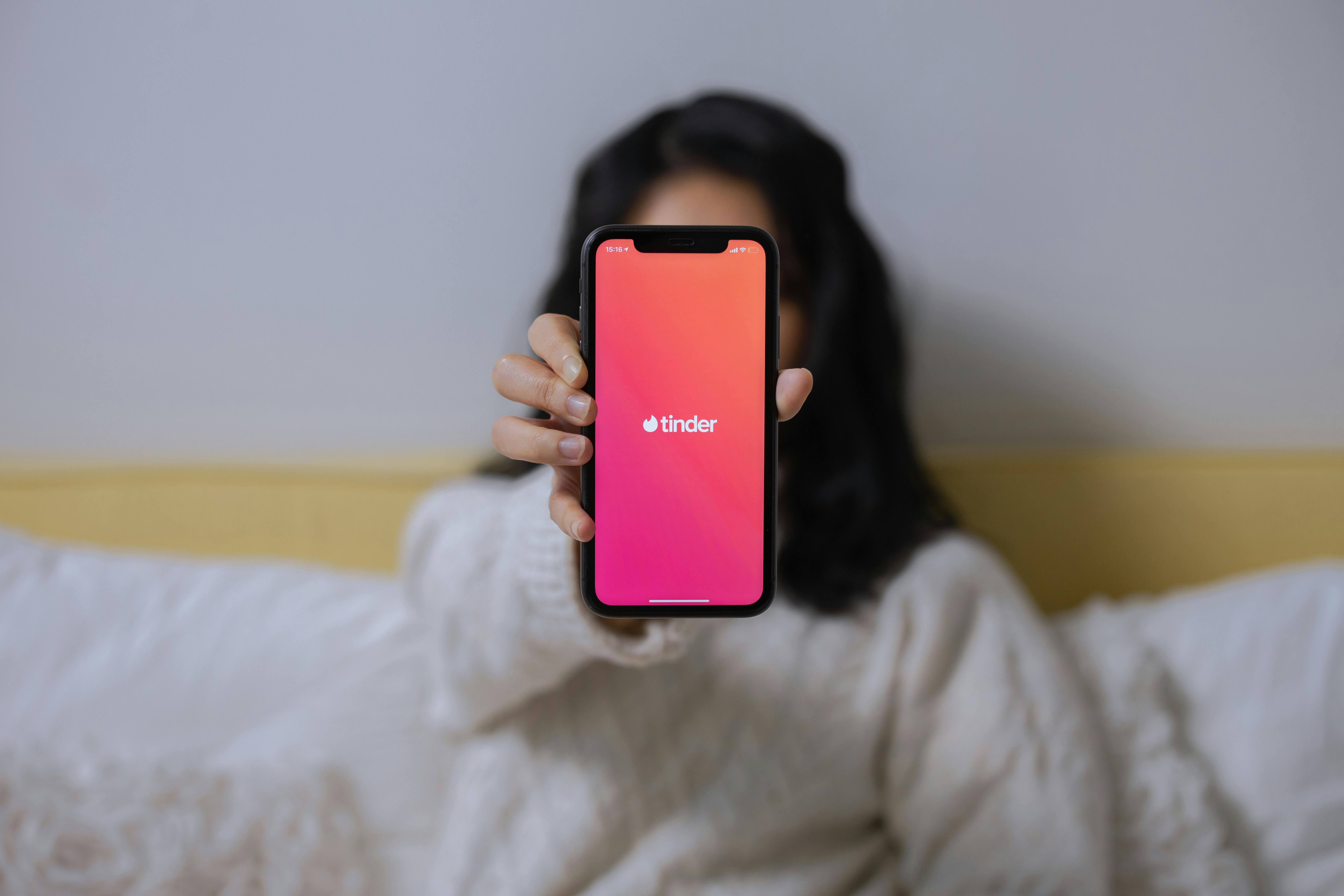
That framing may resonate with a generation facing structural housing unaffordability and wage stagnation. It may also accelerate the instrumentalisation of dating, where partnership is evaluated first on financial compatibility and only secondarily on attraction or connection. If apps lean further into this messaging, they risk becoming matchmaking services for flatmate-with-benefits arrangements rather than relationships.
What comes next
Other platforms will be watching to see whether this approach drives measurable results. If happn sees a meaningful uptick in Dutch registrations or engagement, expect similar campaigns from mid-tier apps across Europe. If it's just noise, the industry will file this under "PR stunt" and move on.
The broader question is whether dating apps can credibly position themselves as solutions to economic anxiety when their business model depends on prolonged engagement, not quick exits into stable partnerships. Happn is offering three people rent relief. It's not offering the millions of singles in the Netherlands a pathway to affordable housing or financial security. That disconnect—between the systemic problem being invoked and the trivial solution being offered—will define whether this campaign is remembered as clever positioning or cynical opportunism.
Key Takeaways
- •Mid-tier dating platforms may increasingly pivot towards economic messaging to differentiate themselves from market leaders like Match Group and Bumble during cost-of-living downturns.
- •Reframing relationships around financial utility risks commodifying user connections and creates a structural tension with traditional engagement-driven monetisation strategies.
Frequently Asked Questions
Newsroom
The DII Newsroom reports daily breaking news across the global online dating, matchmaking and social discovery industry.
Comments
Join the discussion
Industry professionals share insights, challenge assumptions, and connect with peers. Sign in to add your voice.
Your comment is reviewed before publishing. No spam, no self-promotion.


