Grindr's CEO Calls Out Paywalls: Is Gen Z's Dating Exodus Economic?
Key Points
- •Match Group's average revenue per paying user rose from $15.68 in Q3 2022 to $18.23 in Q3 2024 due to subscription price increases.
- •UK workers aged 18 to 24 experienced real wage growth of just 0.9% between 2019 and 2024 while dating app subscription prices rose substantially.
- •Grindr added 60,000 net paying subscribers in Q3 2024, bringing its total to 1.08 million, while revenue grew 27% year-on-year to $89.5 million.
- •Bumble shares have dropped by 78% from their initial public offering price as major dating platforms face retention challenges among Gen Z users.
George Arison has a theory about why Gen Z isn't using dating apps, and it's got nothing to do with commitment phobia or digital burnout. According to Grindr's CEO, the problem is simpler: his competitors have made their products so aggressively paywalled that young users can't actually use them without spending £20-40 a month. So they've gone elsewhere.
Speaking to Bloomberg this week, Arison argued that the prevailing narrative—that Gen Z has given up on dating apps entirely—misreads what's actually happening. They haven't abandoned digital romance. They've just migrated to platforms that don't charge them to see who's interested.
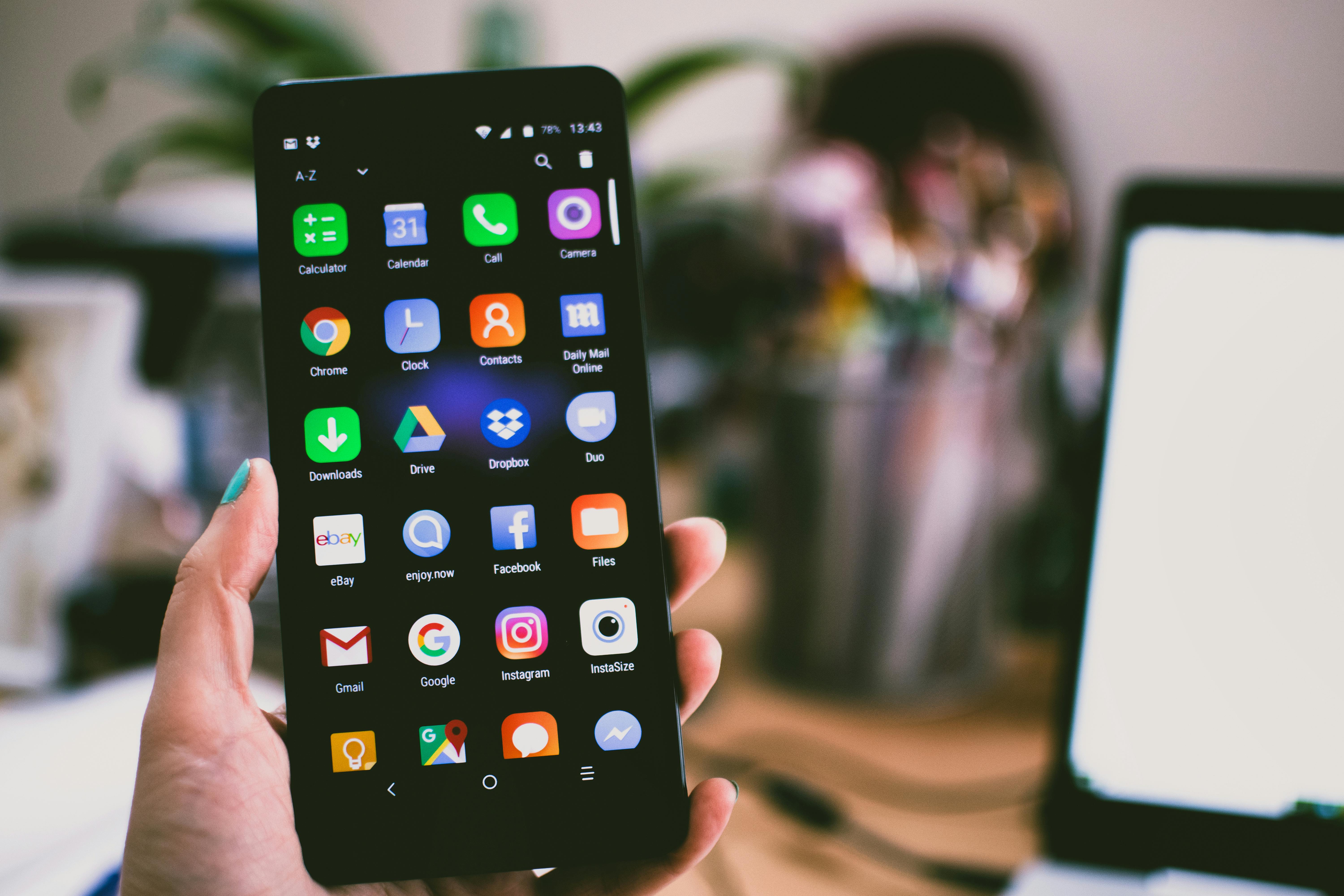
Instagram DMs and TikTok comment sections now function as de facto dating infrastructure, offering the core loop of discovery and messaging that dating apps increasingly gate behind subscriptions. The claim is self-serving, obviously. Grindr competes directly with apps like Tinder and Hinge for LGBTQ+ users, and Arison has every incentive to position his product as the accessible alternative.
Create a free account
Unlock unlimited access and get the weekly briefing delivered to your inbox.
But strip away the competitive posturing, and there's a genuine question here about whether the dating industry has optimised itself into irrelevance for an entire generation. Arison's framing is more credible than it first appears. The shift from freemium to paywall-essential monetisation has been industry-wide and well-documented—Match Group and Bumble have both spent years pushing features like unlimited likes and mutual match visibility behind increasingly expensive subscription tiers.
That worked brilliantly when the total addressable market was growing and user acquisition costs were manageable. But when your target demographic is facing a cost-of-living crisis and can get 80% of the same utility for free on Instagram, the economic logic breaks down fast.
From freemium to paywall-everything
The economics of dating apps have fundamentally shifted over the past five years. What began as a freemium model—basic functionality free, premium features like Super Likes or read receipts paid—has evolved into something closer to demo software. Most mainstream apps now place their core value proposition behind a paywall.
Tinder Gold and Platinum subscriptions, which range from £12.49 to £29.99 per month depending on commitment length, gate access to seeing who liked you before you swipe. Hinge's Preferred membership at £34.99 per month unlocks unlimited likes and advanced filters. Bumble Premium sits at £32.99 monthly.
These aren't frivolous add-ons. They're features that materially affect whether the app functions as a viable discovery tool or an exercise in random swiping. Match Group's average revenue per paying user hit $18.23 in Q3 2024, up from $15.68 two years prior, according to company filings.
That growth came primarily from price increases and upselling, not from features users were clamouring to pay for. Bumble's à la carte pricing strategy—charging separately for individual features rather than bundling them—pushes effective costs even higher for users who want more than one premium tool. Arison's claim that competing apps are 'basically not usable' for non-paying male users isn't hyperbole if you define usability as "can achieve the app's stated purpose without paying".
Gen Z's economic reality versus operator expectations
Dating apps are competing for discretionary income from a cohort that has measurably less of it than their millennial predecessors did at the same age. UK workers aged 18-24 saw real wage growth of just 0.9% between 2019 and 2024, according to ONS data. Meanwhile, the cost of a dating app subscription has increased by 25-40% over the same period, depending on the platform.
This matters because dating apps aren't just asking for subscription fees. They're asking young users to spend £20-40 monthly on the possibility of matching with someone they'll then need to spend additional money taking on dates. The lifetime value equation that works for 35-year-old professionals with stable incomes doesn't translate cleanly to 22-year-olds juggling student debt and entry-level salaries.
Bumble's own user research, disclosed in its S-1 filing, showed that cost sensitivity increases sharply among users under 25. That cohort is more likely to churn after price increases and less likely to convert from free to paid than any other demographic. Yet the company's monetisation strategy has continued to push prices upward, banking on the assumption that those who stay will spend more.
What's changed is the competitive set. Instagram and TikTok didn't set out to become dating platforms, but they've absorbed that use case by default.
They offer free messaging, free profile browsing, and—crucially—social context that purpose-built dating apps can't match. A TikTok comment thread or Instagram Story reply provides proof of humour, interests, and mutual connections before the first message. That's not a worse product. For many users, it's a better one.
Grindr's counterpositioning
Arison's comments are transparently competitive, but Grindr's product decisions back them up. The app maintains a generous free tier that includes unlimited likes and the ability to see a limited grid of nearby users without paying. Grindr Unlimited, at £41.99 monthly, is expensive, but the free experience remains functional in a way that Tinder's increasingly isn't.
According to Grindr's Q3 2024 earnings, the app added 60,000 net new paying subscribers quarter-on-quarter, reaching 1.08 million total. Revenue grew 27% year-on-year to $89.5M. Critically, the company reported strong engagement among users under 30, who accounted for 43% of its user base—a sharp contrast to broader industry trends showing Gen Z disengagement.

Whether that's replicable outside the LGBTQ+ dating market is unclear. Grindr's user economics are distinct: higher engagement frequency, shorter session times, and a more location-dependent use case than swipe-based apps. But the underlying bet—that keeping the core product free will drive long-term loyalty even if it limits short-term ARPU—runs counter to everything Match Group and Bumble have done for the past three years.
What this means for the monetisation playbook
If Arison is even partly right, the implications are uncomfortable for the publicly traded dating companies. Match Group's investor thesis rests on expanding operating margins through pricing power and operational efficiency. Bumble's turnaround strategy under Lidiane Jones includes aggressive à la carte monetisation. Both assume that willingness to pay remains stable or increases as apps add features.
But if Gen Z's retreat is primarily economic—not attitudinal—then the problem isn't solvable through better marketing or product innovation. It's a pricing problem. And pricing problems in two-sided marketplaces are notoriously difficult to fix once network effects start eroding.
Fewer young men on Tinder means fewer matches for young women, which accelerates churn on both sides. The counterargument is that dating apps have always skewed older as users age into stable relationships and disposable income. Millennials in their thirties and forties now represent the most valuable demographic, with higher conversion rates and lower churn.
Optimising for them—rather than chasing Gen Z users with low lifetime value—might be the economically rational choice, even if it means ceding the under-25 market to Instagram. That works until it doesn't. Today's 22-year-olds are tomorrow's 32-year-olds, and if they've spent a decade forming relationships through DMs and comment sections, the habit of opening a dedicated dating app may never form.
Match Group's Q4 2024 guidance, released in November, projected flat user growth across its portfolio. Bumble's shares are down 78% from their IPO price. Both companies are fighting retention problems, not just acquisition ones.
Arison's diagnosis may be opportunistic, but the underlying question isn't going away. The dating app industry built itself on accessibility—on being the place where anyone could find a match regardless of looks, money, or social circle. If the next generation associates dating apps with paywalls and the rising monetization of romance, that foundational promise breaks. And no amount of strategic evolution from dating app to social network or AI-powered icebreakers or video profile features will fix it.
Key Takeaways
- •High paywalls and subscription costs are forcing budget-conscious Gen Z users to abandon traditional dating apps in favour of free social platforms such as Instagram.
- •Dating app operators risk damaging long-term network effects if aggressive monetisation alienates younger demographics who establish alternative communication habits on social networks.
Frequently Asked Questions
Financial Intelligence Desk
The DII Financial Intelligence Desk covers earnings, valuations, funding and the financial performance of the global online dating industry.
Comments
Join the discussion
Industry professionals share insights, challenge assumptions, and connect with peers. Sign in to add your voice.
Your comment is reviewed before publishing. No spam, no self-promotion.