Viral YouTube Series Turns Dating App: A Gimmick or Genuine Fix?
Key Points
- •YouTube creators behind the Pop the Balloon or Find Love series launched a dating app targeting Black singles in February.
- •The Pop the Balloon app features Match Lock, which restricts users from browsing or messaging others until they unmatch or continue their current conversation.
- •Match Group and Bumble derive revenue from features encouraging unlimited browsing, whereas the Pop the Balloon app deliberately limits user optionality.
- •No user acquisition numbers, engagement metrics, or retention data have been disclosed for the Pop the Balloon dating app since its February launch.
The creators of viral YouTube dating series 'Pop the Balloon or Find Love' have launched a dating app that locks users into single conversations, betting that forced focus can cure swipe fatigue. The app targets Black singles specifically and mirrors the show's rejection mechanic, but whether viral video audiences translate into paying app subscribers remains unproven. With no disclosed user data since its February launch, this looks like audience monetisation meeting product-market wishful thinking.
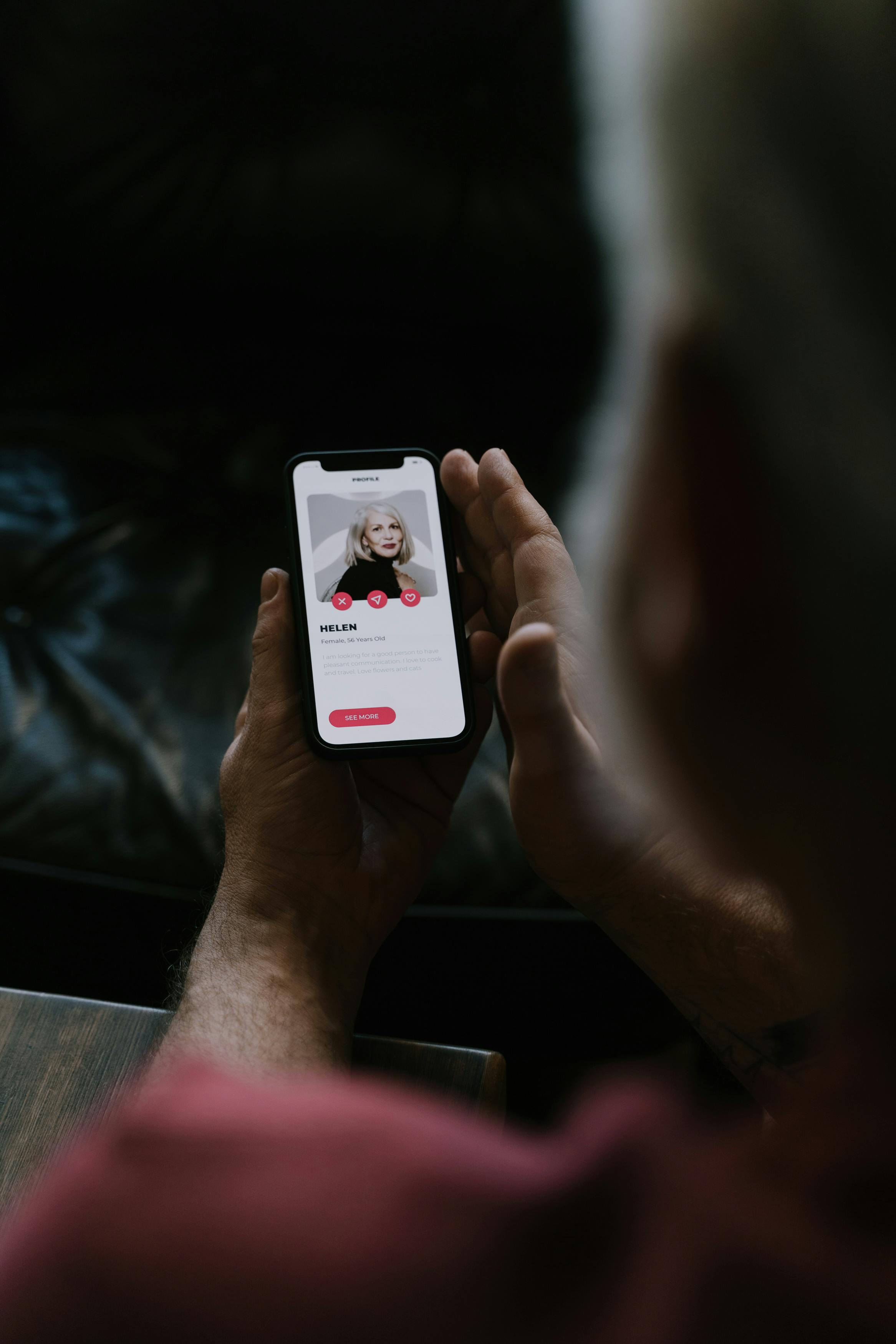
This is a textbook example of audience monetisation meeting product-market wishful thinking. The 'Match Lock' feature—forcing users to focus on one conversation at a time—is genuinely counter to how every major operator has designed their engagement loops, which makes it either bold or commercially naïve depending on how well it retains users past the novelty download. The positioning around Black love is commercially smart in a market where representation gaps persist, but without any disclosed user numbers, retention data, or evidence of traction beyond the YouTube subscriber base, this looks more like brand extension than a scalable dating business.
A rejection mechanic as product strategy
The app's core feature mirrors the show's format. Users can 'pop the balloon' to reject a match or proceed to a conversation. According to the creators, once you match, the platform's 'Match Lock' function pauses your ability to browse or message other users until you either unmatch or continue the conversation.
Create a free account
Unlock unlimited access and get the weekly briefing delivered to your inbox.
The intent, they say, is to encourage intentional engagement rather than the swipe-through behaviour that defines Tinder, Bumble (BMBL), and Hinge. That design choice cuts against the grain of how dating apps monetise.
Match Group (MTCH) and Bumble derive significant revenue from features that keep users active on the platform: Boosts, Super Likes, unlimited swipes. A feature that deliberately restricts browsing is either a bet on differentiation or a misunderstanding of why users churn.
If singles abandon the app because they feel trapped in a single conversation, the retention curve will tell the story faster than any press release. The show's audience is substantial. Videos regularly pull in millions of views, and the format has spawned countless clips across TikTok and Instagram.
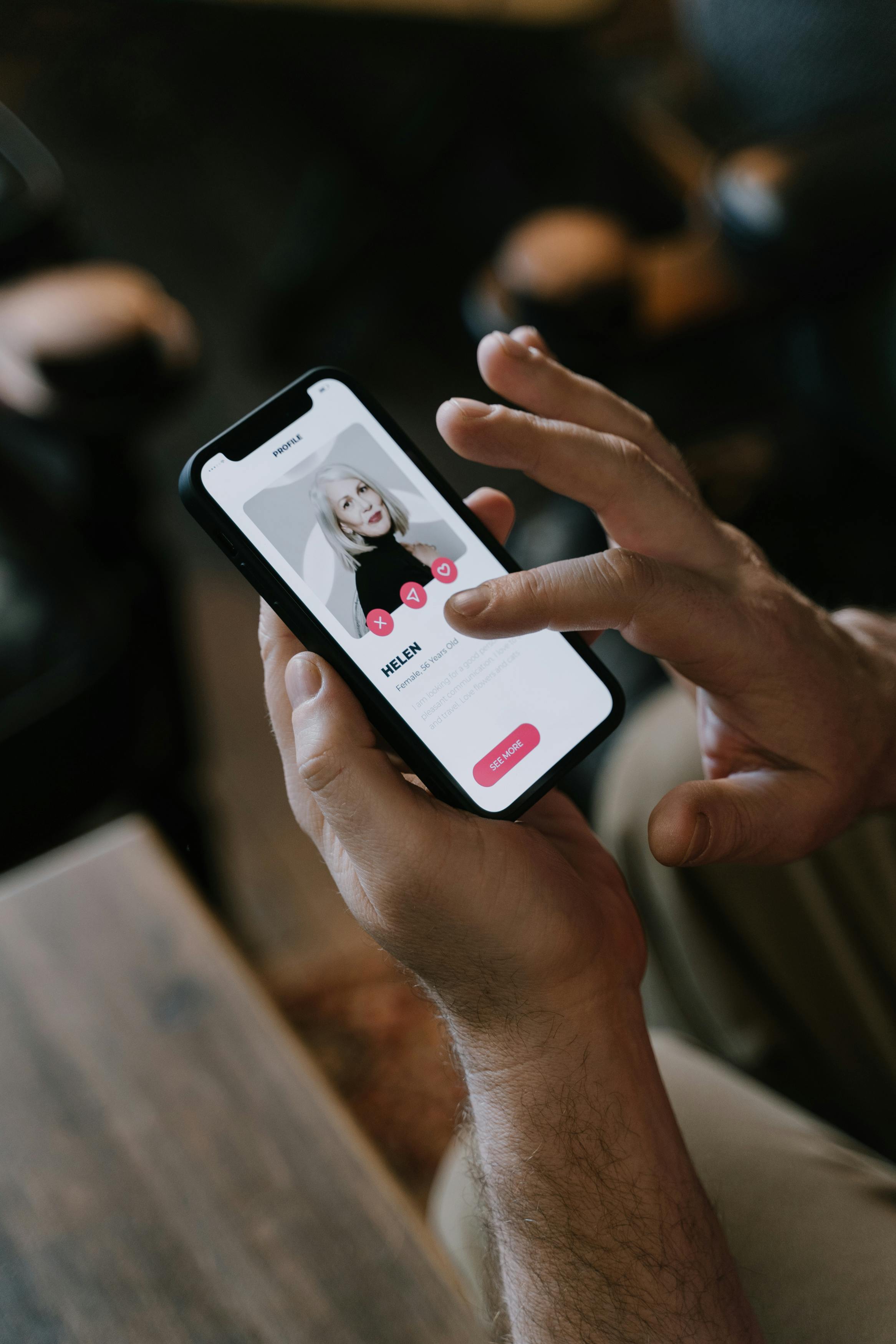
But viewership and app usage are not the same thing. Translating passive entertainment consumption into habitual product usage is where most creator-led apps stumble. The creators claim the app 'shifts focus from viral entertainment to real-world, intentional matchmaking', but no evidence has been provided to support that users are treating it as anything other than an extension of the content they already consume.
The niche positioning and its limits
The app explicitly targets Black singles, positioning itself as a response to what the creators describe as a lack of focus on Black love within mainstream dating platforms. That's not an unfounded claim. Research has repeatedly shown that Black users, particularly Black women, face lower match rates and higher rates of racial bias on generalist platforms.
A dedicated space that centres Black relationships addresses a real gap. The challenge is whether niche demographic focus alone can sustain a standalone app at scale. BLK, owned by Match Group, already targets Black singles and has struggled to break into the top tier of dating app revenue generators.
Chispa, Muzmatch (before its acquisition), and others have found modest footholds, but none have approached the user bases or revenue of Tinder or Hinge. The dating app graveyard is full of platforms that identified an underserved audience but couldn't convert that insight into a defensible business model.
Without disclosed user numbers, engagement metrics, or retention data since the February launch, it's impossible to assess whether the app is gaining traction or simply benefiting from an initial wave of curious downloads.
The creators reference 'success stories' that prove 'there is still hope for the Black community in finding Black love', but no specifics are provided. Anecdotes are not evidence of product-market fit.
What this means for the creator economy in dating
This launch is part of a broader pattern: content creators with large audiences attempting to convert that attention into commercial products. The logic is straightforward—if millions of people watch your videos, some percentage should be willing to download your app. The execution is where most fail.
MrBeast's Feastables and Logan Paul's Prime have succeeded by leveraging creator brands in low-friction consumer goods. Dating apps are higher friction. They require consistent engagement, a critical mass of users in each geographic market, and a product that solves a real problem better than entrenched competitors.
A viral video format is not a substitute for product-market fit. The 'Match Lock' feature is the only genuinely differentiated element here, and it's unclear whether it's solving a problem users actually have. Dating app fatigue is real, but the fix might not be forced monogamy in your inbox.
If users feel restricted rather than focused, they'll delete the app and return to platforms that give them more optionality. The business model remains opaque. No information has been shared about monetisation strategy, whether the app is free or subscription-based, or how the creators plan to scale beyond their existing audience.
If the app is relying on YouTube fame to drive downloads, that's a finite resource. Sustainable growth requires either network effects or a product that compels organic sharing, and nothing in the available information suggests either is happening.
The next six months will clarify whether this is a viable business or a case study in audience monetisation gone sideways. Watch for user retention data, geographic expansion, and whether the app can attract users who've never heard of the YouTube series. If it can't, it's a content play dressed up as a product—and that's not a category dating operators need to worry about.
Key Takeaways
- •Dating app design choices like Match Lock that restrict user optionality risk degrading retention if singles feel trapped rather than focused.
- •For dating app investors, creator-led applications targeting specific demographics like Black singles require organic network effects beyond viral YouTube viewership to achieve long-term commercial scale.
Frequently Asked Questions
Community Desk
The DII Community Desk covers people, leadership moves, events and community developments across the dating industry.
Comments
Join the discussion
Industry professionals share insights, challenge assumptions, and connect with peers. Sign in to add your voice.
Your comment is reviewed before publishing. No spam, no self-promotion.