Grindr's White House Soiree: Advocacy or Access Theatre?
Reviewed and updated:
Key Points
- •Grindr will host its first official White House Correspondents' Dinner side event on 25th April 2026 to discuss HIV funding, privacy protections, and family rights.
- •Established in 2015, the advocacy division Grindr for Equality has distributed over $1 million in grants to support global LGBTQ+ initiatives and HIV testing.
- •Grindr generated $308.6 million in revenue in 2024 from its primary demographic of gay and bisexual men amidst proposed federal cuts to HIV prevention programmes.
Grindr will host its first official White House Correspondents' Dinner side event on 25th April 2026, convening what the company describes as policymakers, journalists, and LGBTQ+ community leaders to discuss HIV funding, privacy protections, and family rights. The timing is remarkable: hosting a reception steps from the centres of federal power whilst that same administration proposes cuts to HIV prevention programmes represents either strategic engagement or spectacular corporate tone-deafness, depending on whom you ask. The event, organised through Grindr for Equality—the platform's advocacy arm established in 2015—marks a substantial escalation in the company's proximity to political power.

According to a company statement, the event aims to 'celebrate the First Amendment' and 'create space for underrepresented queer journalists'. That framing deserves scrutiny. Creating space for queer journalists is laudable. Seeking corporate legitimacy through proximity to an administration whose proposed policies would materially harm the communities Grindr serves is something else entirely.
This is the corporate advocacy paradox made flesh: Grindr wants a seat at the table precisely when many in its community would prefer to flip that table entirely.
The company may genuinely believe it can influence policy from within, but the optics of toasting the First Amendment whilst HIV funding faces the axe will land poorly with grassroots advocates who've spent decades fighting without corporate backing. Whether this represents strategic long-term thinking or misread the room spectacularly will depend entirely on what Grindr actually delivers—and whether anyone in that room is willing to have uncomfortable conversations or just exchange business cards.
Create a free account
Unlock unlimited access and get the weekly briefing delivered to your inbox.
The shift from platform to political player
Dating apps positioning themselves as lifestyle and advocacy brands rather than pure technology platforms isn't new. Bumble has built significant brand equity around women's empowerment and legislative advocacy on digital sexual abuse. Match Group routinely champions background checks and platform safety measures in regulatory conversations. Both companies have testified before Congress on various occasions.
What distinguishes Grindr's White House play is the friction between the venue and the moment. Grindr for Equality has operated for nearly a decade, funding HIV testing, advocating for privacy protections, and supporting LGBTQ+ initiatives globally. The organisation has distributed over $1M in grants, according to company disclosures, and maintains partnerships with numerous grassroots organisations. That track record is real.
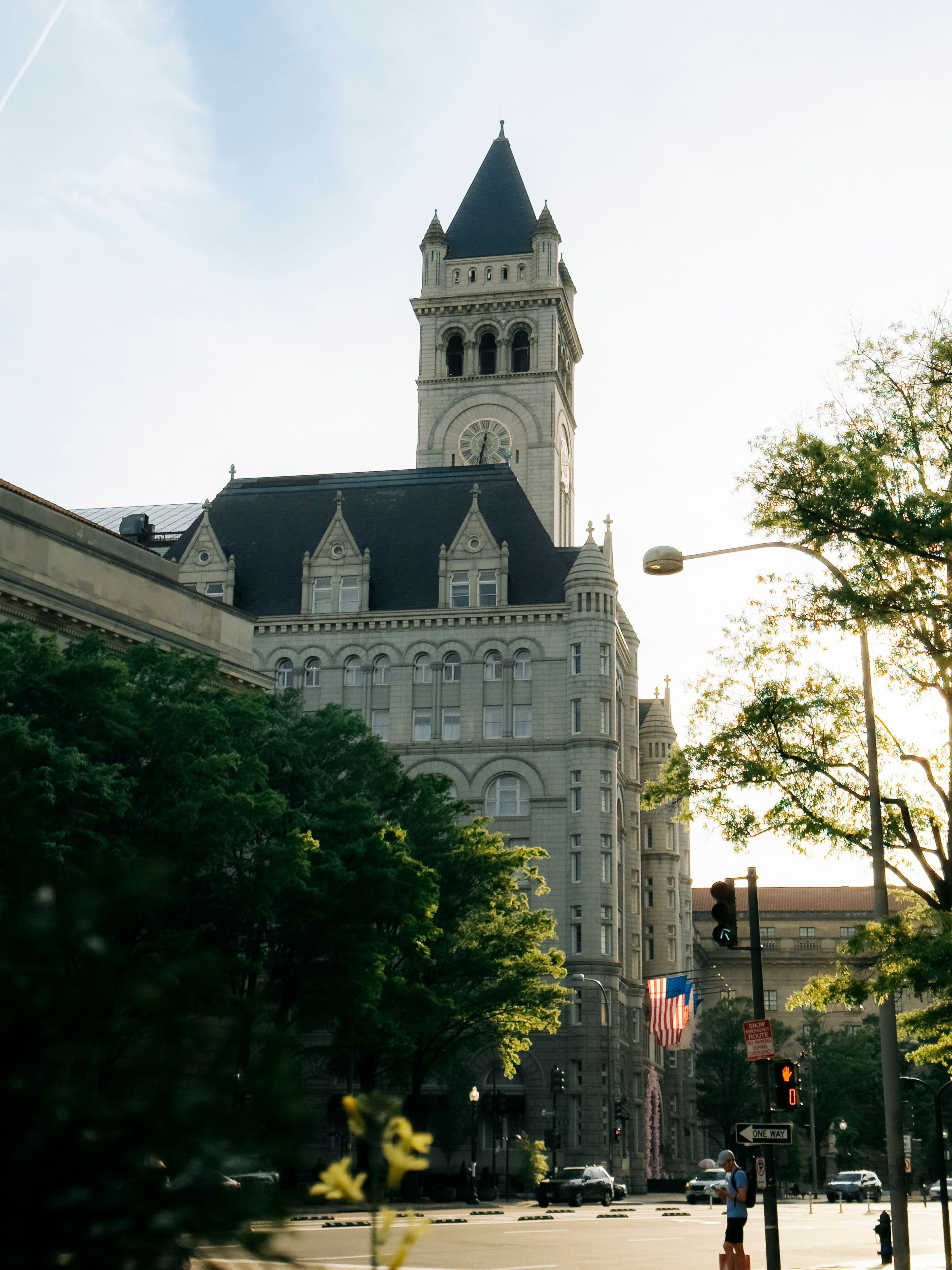
But hosting a Washington social event during an administration that has proposed material cuts to programmes serving gay and bisexual men—the core user base generating Grindr's $308.6M in 2024 revenue—introduces a category of political exposure the company hasn't previously navigated at this scale. The company's statement emphasises 'constructive dialogue' and 'community representation', language that signals a bet on insider access over outside pressure.
Critics within LGBTQ+ advocacy circles have questioned whether corporate legitimacy-seeking ultimately serves community interests or corporate ones. The concern isn't theoretical. When technology platforms seek proximity to political power, they often moderate their public positions to preserve access. The question facing Grindr is whether attendance at a Washington social calendar fixture translates into material policy outcomes for users—or simply normalises an administration whose proposed policies would harm them.
What proximity to power actually costs
The tension here mirrors broader debates across the technology sector about when engagement becomes complicity. Grindr's competitors haven't made comparable moves towards official Washington, preferring advocacy through industry groups and issue-specific campaigns rather than branded political events. That makes Grindr's White House play a market test: does explicit political positioning strengthen brand loyalty amongst core users, or does it alienate precisely the community members most sceptical of institutional power?
If Grindr's representatives use the event to publicly challenge those policy positions, the corporate risk becomes worthwhile. If the event amounts to brand visibility at a prestigious Washington social fixture, the criticism will be merited.
The event's stated focus on HIV funding, privacy, and family rights suggests Grindr intends to use the platform for direct policy advocacy rather than pure networking. Whether the company can credibly claim that position whilst hosting a reception that functionally celebrates proximity to an administration proposing cuts to those same programmes will depend on execution.
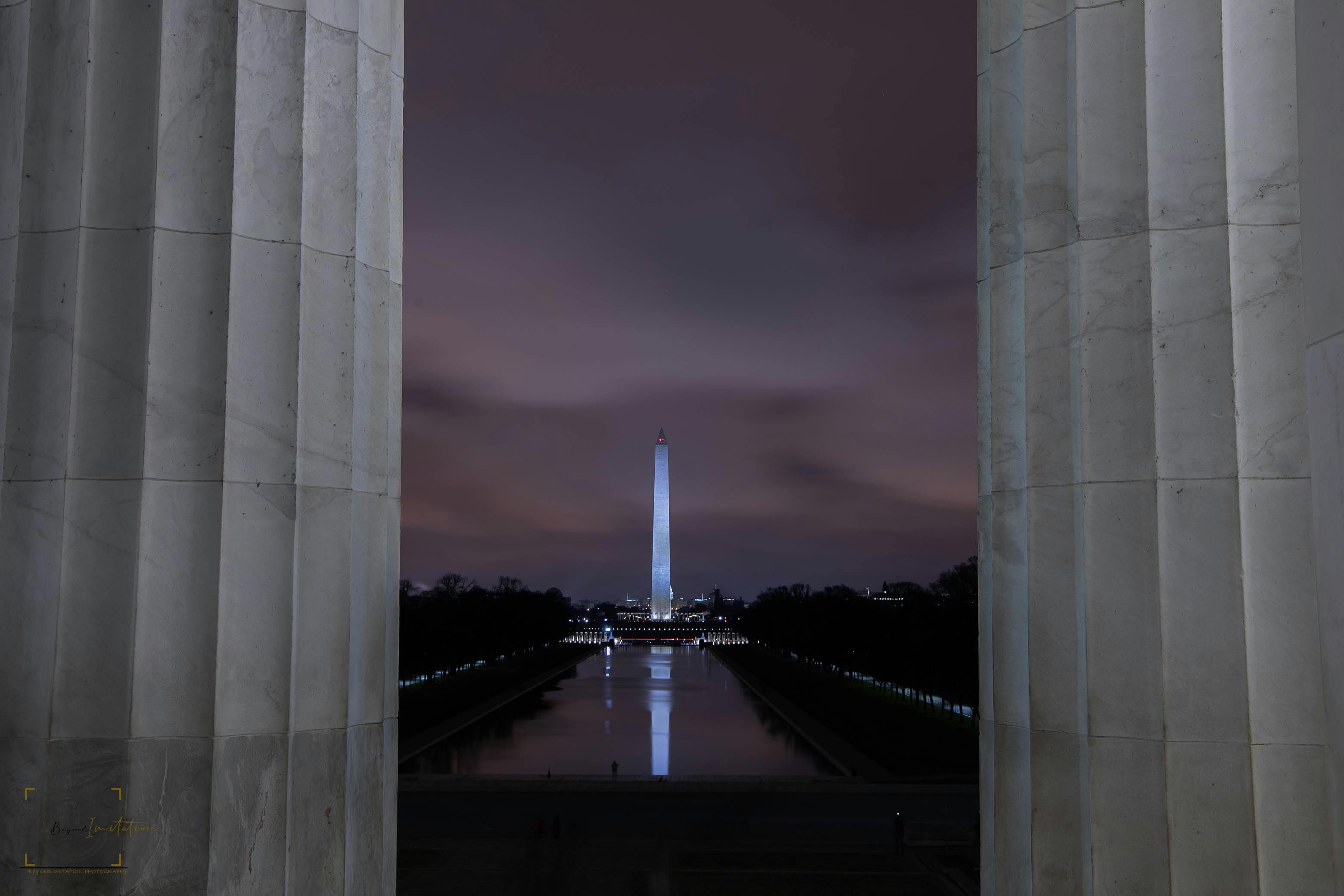
Investors should note that Grindr's increasing political visibility introduces regulatory and reputational exposure that competitors have largely avoided. The company's share price has remained relatively insulated from political controversy thus far, but explicit political positioning—particularly during a contested administration—creates downside risk if community backlash translates into user attrition or activist pressure campaigns.
What happens when the talking stops
Grindr has until April 2026 to clarify whether this event represents genuine policy engagement or corporate access theatre. The company would do well to disclose specific policy outcomes it intends to pursue, which administration officials will attend, and what commitments it secures in exchange for lending its brand to a Washington social calendar fixture. Transparency here isn't optional if Grindr wants to maintain credibility with users and advocates alike.
The broader industry question is whether dating platforms should pursue explicit political positioning at all. The track record is mixed. Bumble's advocacy work has generated meaningful brand differentiation and legislative momentum on specific issues. Grindr's move is higher-risk: it positions the company as a political actor rather than a platform advocating for specific policies, inviting scrutiny not just of its positions but of its presence.
For operators watching this unfold, the lesson is straightforward: political engagement without clear policy objectives and measurable outcomes is brand risk without commensurate reward. Grindr will either emerge from this event with concrete policy wins that benefit its community—or with photographs that advocates will use against it for years.
Key Takeaways
- •Dating app operators face significant reputational and regulatory risks when engaging in direct political positioning without securing transparent policy commitments from government officials.
- •Investors in Grindr must monitor potential user attrition and community backlash, as high-profile political events during hostile policy cycles create severe downside brand risk.
Frequently Asked Questions
Community Desk
The DII Community Desk covers people, leadership moves, events and community developments across the dating industry.
Comments
Join the discussion
Industry professionals share insights, challenge assumptions, and connect with peers. Sign in to add your voice.
Your comment is reviewed before publishing. No spam, no self-promotion.