Tinder's IRL Pivot: A Swipe at Retention or Just a Swipe?
Key Points
- •Tinder generates $1.8 billion in annual revenue and has partnered with offline events company We Met In Real Life, launching with a New York event.
- •We Met In Real Life was founded in 2022 by Kacie Burns and has previously hosted singles events in New York City and Washington D.C.
- •Match Group reported slowing user growth and subscriber pressure across its portfolio, prompting Tinder to expand lower-pressure live event programmes.
- •Competitor Bumble saw its paying subscriber base drop 4% year-on-year in Q3 2024 despite running its own in-person events programming.
Tinder has partnered with We Met In Real Life, a company whose entire brand proposition is literally the opposite of what Tinder built its $1.8 billion annual revenue on. The collaboration launched with a New York event on Monday and signals what parent company Match Group isn't saying in earnings calls: that swipe-based dating alone no longer cuts it.
According to We Met In Real Life founder Kacie Burns, the event marked the beginning of an ongoing partnership focused on face-to-face singles experiences. The company, founded in 2022, has hosted events across New York City, Washington D.C., and other U.S. locations. Burns described the launch event as well received, though no independent attendance figures or participant data has been disclosed.

The irony is almost too perfect. Tinder — the app that turned dating into a thumb exercise — is now paying a company that exists because people got tired of apps like Tinder. This isn't just product diversification.
Create a free account
Unlock unlimited access and get the weekly briefing delivered to your inbox.
It's a tacit admission that the swipe-first model that defined a generation of dating is showing structural fatigue.
When the platform that invented the format starts outsourcing to the "anti-app" economy, that tells you everything about where user sentiment has landed.
Following Bumble's Playbook
Tinder isn't pioneering here. Bumble has been investing in IRL events for over a year, whilst Hinge has built an entire brand positioning around "Designed to be Deleted" — effectively marketing against the endless scroll that keeps Match Group's lights on. The dating industry's biggest players are all moving in the same direction, which suggests this isn't opportunistic expansion but strategic necessity.
Match Group reported slowing user growth and engagement metrics across its portfolio in recent quarters, with particular pressure on Tinder's paying subscriber base. The platform added features like Double Date and expanded its live events programme, positioning them as "lower-pressure" alternatives to traditional one-on-one matches. Translation: members are burned out on swiping, and Tinder needs to give them reasons to stay engaged that don't involve the core product.

What's particularly telling is the choice of partner. We Met In Real Life wasn't simply an events company that happened to serve singles. It was founded explicitly to counter digital-first dating culture, offering what its marketing describes as "authentic, offline interactions" at a time when app fatigue was becoming a cultural talking point. That Tinder is now absorbing this positioning — rather than competing against it — signals how thoroughly the narrative has shifted.
The Anti-App Economy Gets Absorbed
The partnership represents a broader pattern: the "anti-app" dating economy is being co-opted by the very platforms it positioned against. Independent event organisers and matchmaking services built businesses by criticising swipe culture. But without Tinder's distribution — and its database of millions of active users in major metros — they're limited to organic growth and Instagram marketing.
For We Met In Real Life, the trade-off is obvious. Access to Tinder's audience in New York alone dwarfs anything it could build independently. For Tinder, the calculation is equally clear: better to partner with the opposition than cede the entire offline category to competitors or let member churn accelerate.
The question for operators watching this unfold is whether offline events represent genuine product evolution or just expensive member retention theatre.
Running city-specific events doesn't scale the way software does. Margins are thinner. Operational complexity is higher. And there's no clear evidence yet that members who attend IRL events convert to higher lifetime value or longer subscription tenure.
Bumble's events programming hasn't moved the needle on its subscriber numbers, which fell 4% year-on-year in Q3 2024 according to the company's latest earnings disclosure. Hinge's anti-app positioning has driven growth, but that's primarily because its product mechanics differ from Tinder's, not because it hosts mixers.
What Operators Should Watch
The integration model matters here. If Tinder is simply slapping its logo on existing We Met In Real Life events, this is marketing spend dressed up as product innovation. If it's using first-party data to curate attendee lists, personalise event formats, or test hybrid online-to-offline conversion funnels, that's a different proposition entirely.
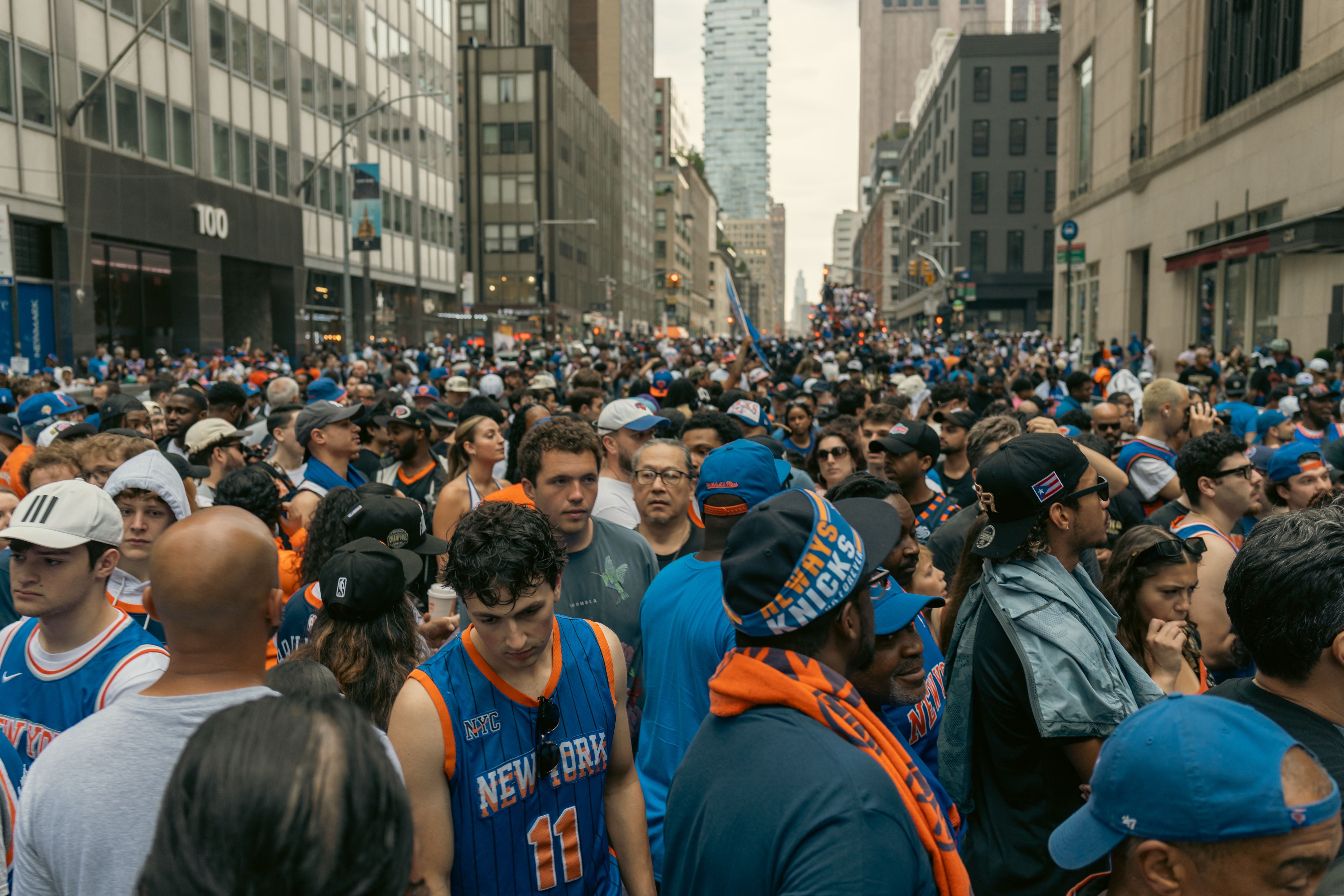
Dating platforms sitting on massive user graphs have an advantage that independent event companies don't: they know who's active, who's engaging, and who's about to churn. Applied intelligently, that data could make offline events genuinely valuable as retention tools rather than brand exercises.
The challenge is whether these partnerships can scale beyond flagship cities and marquee launch events. New York and London can support weekly singles gatherings. Can Tinder make this work in Birmingham, Leeds, or secondary U.S. markets where its user density is lower and event economics are harder? That's where the business model either proves out or becomes a costly distraction from the core product problems that necessitated the pivot in the first place.
Key Takeaways
- •The absorption of anti-app event organisers by major operators indicates that swipe-first mechanics face structural user fatigue rather than temporary marketing challenges.
- •In-person events carry higher operational complexity and thinner margins than software platforms, making scalability in secondary markets a critical test for operator retention strategies.
Frequently Asked Questions
Financial Intelligence Desk
The DII Financial Intelligence Desk covers earnings, valuations, funding and the financial performance of the global online dating industry.
Comments
Join the discussion
Industry professionals share insights, challenge assumptions, and connect with peers. Sign in to add your voice.
Your comment is reviewed before publishing. No spam, no self-promotion.