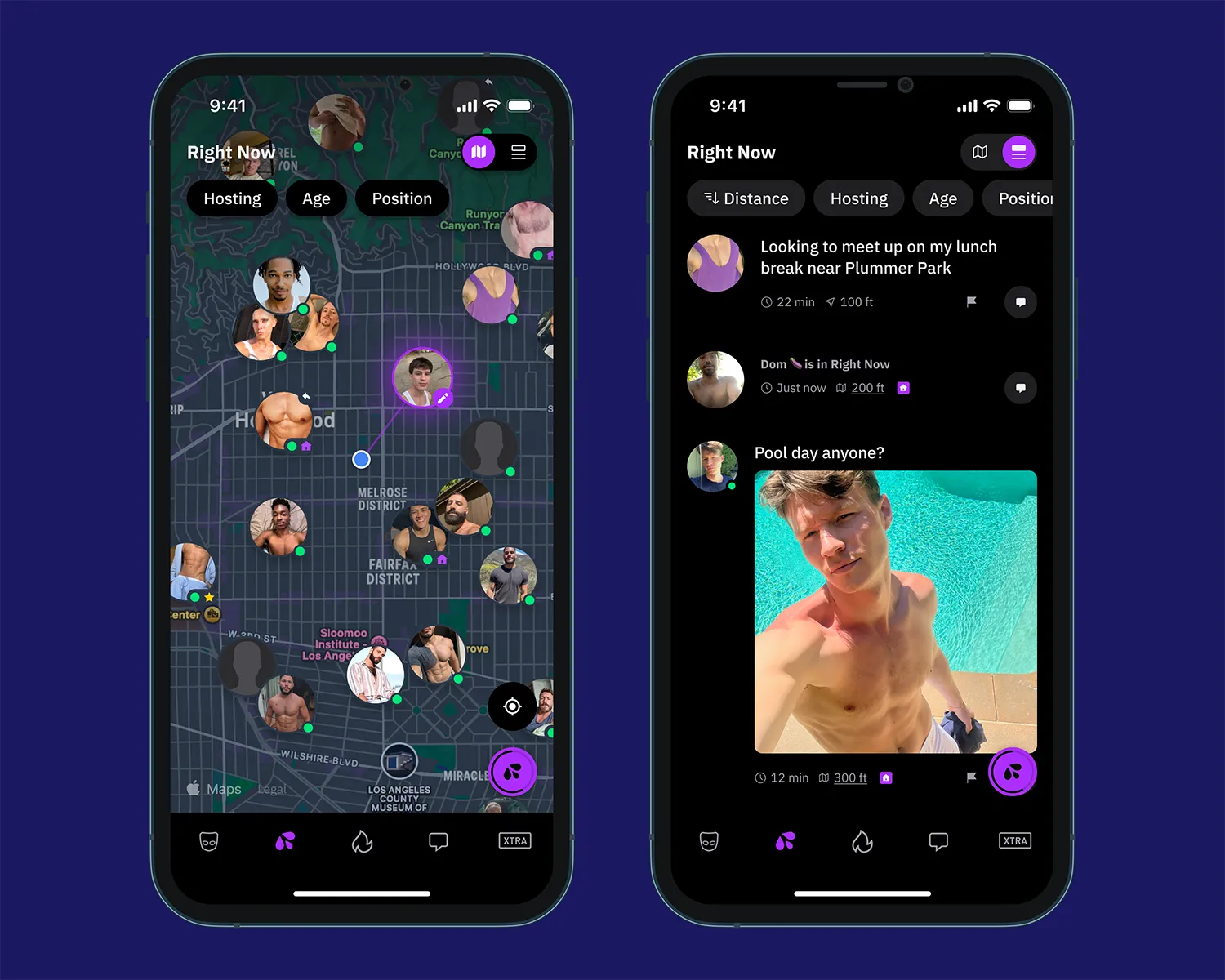
Grindr's AI Paywall: A Monetisation Gamble or User Trust Erosion?
Key Points
- •Grindr has rolled out AI chat summaries and smart match lists exclusively to 25% of its Unlimited tier subscribers, priced at approximately £15 per month.
- •Over 70% of surveyed beta users found the new Grindr Unlimited AI features useful, although this test group represents a limited cohort of top-tier subscribers.
- •Grindr users on online forums like Reddit have voiced dissatisfaction over perceived feature relocations and the paywalling of organisational tools previously available for free.
- •Grindr Chief Executive Officer George Arison framed the AI features as engagement tools designed to increase daily app usage and drive subscription upgrades.
Grindr has begun rolling out AI-powered chat summaries and algorithmically curated match lists to a subset of its highest-paying subscribers, positioning artificial intelligence as the engine for both premium revenue growth and daily engagement. The tension is instructive: Grindr is treating AI not as a product experiment but as a monetisation lever, betting that summarised conversations and smart-sorted match lists will persuade users to upgrade from free or lower-tier subscriptions. Whether that wager holds as the test expands beyond the current beta remains an open question, particularly given the gap between the company's usage metrics and the sentiment emerging from its most vocal users.

Grindr is running the playbook that dating operators are watching most closely: use AI to justify premium pricing, then measure success by ARPU rather than user satisfaction. The problem is that 70% approval from a self-selected cohort of top-tier subscribers tells you almost nothing about how the broader user base will react when these features roll out more widely—or when they realise that organisational tools they once had for free now require a £15/month subscription. The backlash may be containable for a platform with Grindr's retention metrics, but for operators without that margin for error, this is a cautionary tale about mistaking short-term conversion lifts for sustainable product strategy.
AI as engagement architecture, not connection tool
The features themselves are straightforward enough. A-List, the AI assistant currently in beta, generates summaries of chat threads and surfaces what Grindr describes as "key details" from conversations. The tool also curates match suggestions based on user behaviour and stated preferences, sorting profiles into what the company calls smart lists. Both features sit exclusively behind the Unlimited paywall, Grindr's highest-priced tier.
Create a free account
Unlock unlimited access and get the weekly briefing delivered to your inbox.
Grindr's stated goal is to become the "most frequently engaged" dating platform, not simply the most effective at facilitating connections
What's notable is how CEO George Arison has framed the strategic intent. AI tools that summarise ongoing chats and resurface dormant conversations are designed to pull users back into the app daily, turning Grindr into a habit rather than a utility. That's a different value proposition than helping someone find a date, and it's one that aligns neatly with the engagement metrics that drive advertising and subscription revenue.
The company insists that free users retain access to core functionality, including a favourites feature that allows members to bookmark profiles. But user complaints suggest the reality is more complicated. Several Reddit threads cite instances where organisational tools have been moved, degraded, or made less visible in recent updates, with users claiming that features once easily accessible now require navigation through multiple menus or have been replaced entirely by paywalled AI equivalents. Grindr has not provided specifics on what, if anything, has changed in the free tier's feature set beyond confirming that favourites "remains available in a different location."
The metrics problem
The 70% satisfaction figure deserves scrutiny. It comes from a beta group representing just a quarter of Unlimited subscribers, a population already skewed toward Grindr's most engaged and financially committed users. That's a sample size in the low thousands at most, drawn from a pool least likely to object to premium pricing. Extrapolating that approval rate to the platform's broader user base—many of whom are on free or lower-cost tiers—is a stretch.
Equally vague is the claim of an uptick in Unlimited plan sign-ups. Grindr has not quantified the increase, nor has it disclosed whether the conversions represent new subscribers or users trading up from existing paid tiers. The distinction matters. If the feature is primarily driving upgrades from mid-tier subscribers already comfortable paying for the app, that's revenue acceleration but not necessarily user base expansion.
Contrast that with Match Group, which has been more cautious in its AI monetisation strategy. Tinder's AI-powered photo selection tool launched as a free feature before being folded into premium tiers, and Hinge's video prompts remain accessible across subscription levels. Both platforms are testing AI paywalls, but neither has moved as aggressively as Grindr to lock new functionality behind top-tier pricing from day one. Bumble, meanwhile, has positioned its AI opening lines feature as a mid-tier perk, available to Premium subscribers rather than reserved for the highest-paying segment.
Paywall creep and the trust cost
When features that streamline basic app functionality become premium products, free users don't experience it as added value—they experience it as something being taken away
The user backlash points to a broader risk that dating platforms face as they lean into AI-driven revenue models. Grindr's approach is particularly aggressive because it combines AI paywalling with what users perceive as feature relocation or degradation in the free tier. Whether or not favourites has been functionally downgraded, the perception of a bait-and-switch is damaging in a market where trust is already fragile.

For investors, the question is whether the ARPU gains from AI-driven upgrades outweigh the churn risk from disaffected free users. Grindr's retention metrics have historically been strong, and its user base is more tolerant of in-app purchases than most dating platforms. But even high-retention platforms aren't immune to user exodus when monetisation feels extractive rather than value-additive.
The test for Grindr—and for every operator watching this rollout—is what happens when the beta expands. If satisfaction holds and conversions scale, the playbook writes itself. If backlash intensifies and churn ticks up, the industry will have learned an expensive lesson about the limits of AI paywalls. Either way, the data will be watched closely.
Key Takeaways
- •Dating app operators must balance immediate average revenue per user gains against long-term churn risks when moving core organisational features behind premium AI paywalls.
- •High satisfaction rates among a small, high-paying subscriber tier may not accurately predict broader user adoption or sentiment when AI features expand across lower-tier user bases.
Frequently Asked Questions
Technology & AI Desk
The DII Technology Desk reports on product, engineering, AI and platform infrastructure across dating and social discovery apps.
Comments
Join the discussion
Industry professionals share insights, challenge assumptions, and connect with peers. Sign in to add your voice.
Your comment is reviewed before publishing. No spam, no self-promotion.