
Tinder's Content Play: From Dating App to Queer Culture Broadcaster
Key Points
- •Match Group's Tinder has reportedly acquired rights to revive cancelled BBC LGBTQ+ dating formats I Kissed a Girl and I Kissed a Boy.
- •The new celebrity-focused versions of the dating shows will stream directly inside the Tinder mobile application rather than airing on traditional broadcast television.
- •Tinder's previous interactive in-app series, Swipe Night, generated a 26% increase in user matches during its initial launch in 2019.
- •GLAAD data shows regular LGBTQ+ broadcast primetime characters decreased from 171 to 165 during the 2024-25 season as traditional networks reduced queer programming.
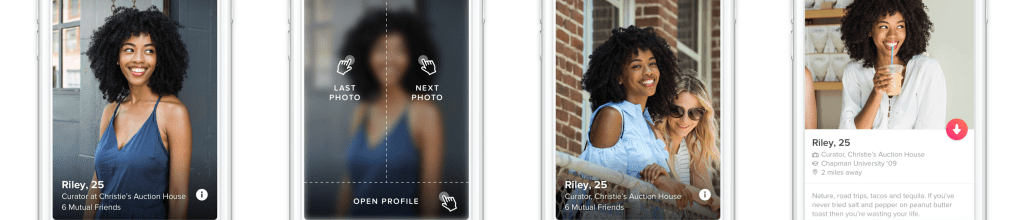
Match Group's Tinder has reportedly picked up the rights to revive I Kissed a Girl and I Kissed a Boy, the BBC's cancelled LGBTQ+ dating formats, according to industry reports from Deadline and Variety. But there's a twist: the new celebrity-focused version won't air on television. It'll stream directly inside the Tinder app, turning what was once a broadcast entertainment property into in-app marketing content.
The move marks the clearest signal yet that dating platforms aren't just buying ad spots on TV—they're becoming the broadcasters. The BBC cited 'funding challenges' when it axed both shows after their 2023 and 2024 runs, despite decent ratings and critical acclaim. When public service media can't afford queer programming but a dating app can, that tells you something about where cultural production is moving—and who's deciding what gets made.
This isn't just Tinder buying content. It's Tinder becoming a content studio with editorial control over queer representation, and the BBC effectively outsourcing cultural production to a for-profit tech platform. The shift from villa-based reality dating to celebrity-driven storytelling also fundamentally changes the format's purpose: it's no longer entertainment that happens to feature a dating app.
Create a free account
Unlock unlimited access and get the weekly briefing delivered to your inbox.
It's brand content that looks like entertainment. Whether that distinction matters to viewers is an open question. Whether it matters to queer communities watching corporations become their primary storytellers probably isn't.
From media partner to media owner
Tinder has dabbled in original content since 2019's Swipe Night, an interactive in-app series that drove a 26% increase in matches during its run, according to figures Match disclosed at the time. Double Date Island, a YouTube reality series, followed in 2023. But acquiring an established BBC franchise represents a material escalation in both ambition and legitimacy.
You're not creating content from scratch. You're rescuing recognisable IP with built-in audiences and the imprimatur of public service broadcasting. The reported format shift matters, too. The original I Kissed a Girl and I Kissed a Boy followed non-celebrity singles in a villa setting—the classic Love Island model applied to queer daters.
The Tinder version will reportedly feature celebrities, which transforms the editorial calculus entirely. Reality dating formats thrive on authenticity, however constructed. Celebrity versions trade that authenticity for name recognition and social reach.
It's a rational swap when your primary goal is driving app downloads rather than producing compelling television. Tinder hasn't confirmed the acquisition or production timeline, and representatives declined to comment on the reports. That's standard for projects in development, but it leaves crucial questions unanswered: who controls editorial decisions, what creative involvement the original producers will have, and whether the show will retain the emotional honesty that made the BBC versions resonate with queer audiences.
When brands become broadcasters
The broader pattern here extends well beyond dating apps. Netflix, Amazon Prime Video, and Apple TV+ have been absorbing production capacity for years. What's newer is platforms with a direct commercial agenda—selling subscriptions, driving engagement, harvesting data—positioning themselves as the solution to traditional media's funding crisis whilst also benefiting from the cultural capital that crisis creates.
LGBTQ+ content is particularly vulnerable to this dynamic. According to GLAAD's findings, the number of LGBTQ+ regular and recurring characters on broadcast primetime dropped to 165 in the 2024-25 season, down from 171 the previous year. Cable figures fell even more sharply.
When traditional media retreats, corporate platforms step in—but with very different incentives. A broadcaster commissions queer content because it serves public interest or audience demand. A dating app commissions queer content because it reinforces brand positioning and drives user acquisition in a demographic segment where brand loyalty is both high-value and hard-won.
That doesn't automatically make the content worse. But it does change who decides what stories get told, how they're told, and what success looks like. A TV show succeeds if people watch it. An in-app show succeeds if people download the app, create profiles, and convert to paying subscribers. Editorial independence becomes harder to maintain when the content exists primarily to serve a commercial funnel.
What operators should watch
For dating platforms beyond Tinder, this sets a precedent worth studying. Original content production is expensive, resource-intensive, and carries reputational risk if it misfires. But it also offers something performance marketing can't: cultural credibility. Particularly for platforms targeting communities—LGBTQ+ users, ethnic minorities, faith-based groups—that feel underserved by mainstream media, the ability to say 'we're not just facilitating dates, we're telling your stories' carries weight.

The challenge is whether that credibility survives contact with quarterly growth targets. Match has been refocusing investment on its largest brands—Tinder and Hinge—following activist pressure and declining profitability at smaller apps. CEO Bernard Kim told investors in February's Q4 earnings call that the company would prioritise 'capital-efficient growth', which typically means performance marketing over brand-building. Commissioning a TV show, even one that streams in-app, doesn't sound particularly capital-efficient unless it demonstrably moves acquisition or retention metrics.
If Tinder can prove the model works—if the show drives measurable subscriber growth or re-engages lapsed users—expect Bumble (BMBL) and Grindr (GRND) to explore similar moves. Grindr in particular has been investing heavily in editorial content through Into, its LGBTQ+ digital publication, and has the audience data to make highly targeted commissioning decisions. Bumble has existing relationships with production companies through its advertising work and could plausibly pivot to owned content if the business case holds.
What happens next depends on execution. If the celebrity version of I Kissed a Girl and I Kissed a Boy feels like authentic storytelling that happens to live on Tinder, it could reset expectations for what dating apps can be. If it feels like an extended ad wearing the skin of a BBC show, it'll confirm the worst suspicions about what happens when corporations become the primary producers of queer culture. Production is expected to begin later this year, with the first episodes likely arriving in early 2026.
Key Takeaways
- •Dating app operators moving into media production must prove that in-app original content drives measurable user acquisition or subscription conversions to justify production costs.
- •Competitors like Bumble and Grindr may explore proprietary streaming content if Tinder demonstrates that acquiring established television franchises yields positive return on investment.
- •Compliance and editorial teams must manage reputational risks when commercial platforms take direct control of community storytelling traditionally produced by public broadcasters.
Frequently Asked Questions
Technology & AI Desk
The DII Technology Desk reports on product, engineering, AI and platform infrastructure across dating and social discovery apps.
Comments
Join the discussion
Industry professionals share insights, challenge assumptions, and connect with peers. Sign in to add your voice.
Your comment is reviewed before publishing. No spam, no self-promotion.


