Cerca's Campus Play: Exclusivity Marketing Masquerading as Safety
Key Points
- •Cerca requires university email verification and a minimum threshold of 40 users before activating its Student Mode feature at any US campus.
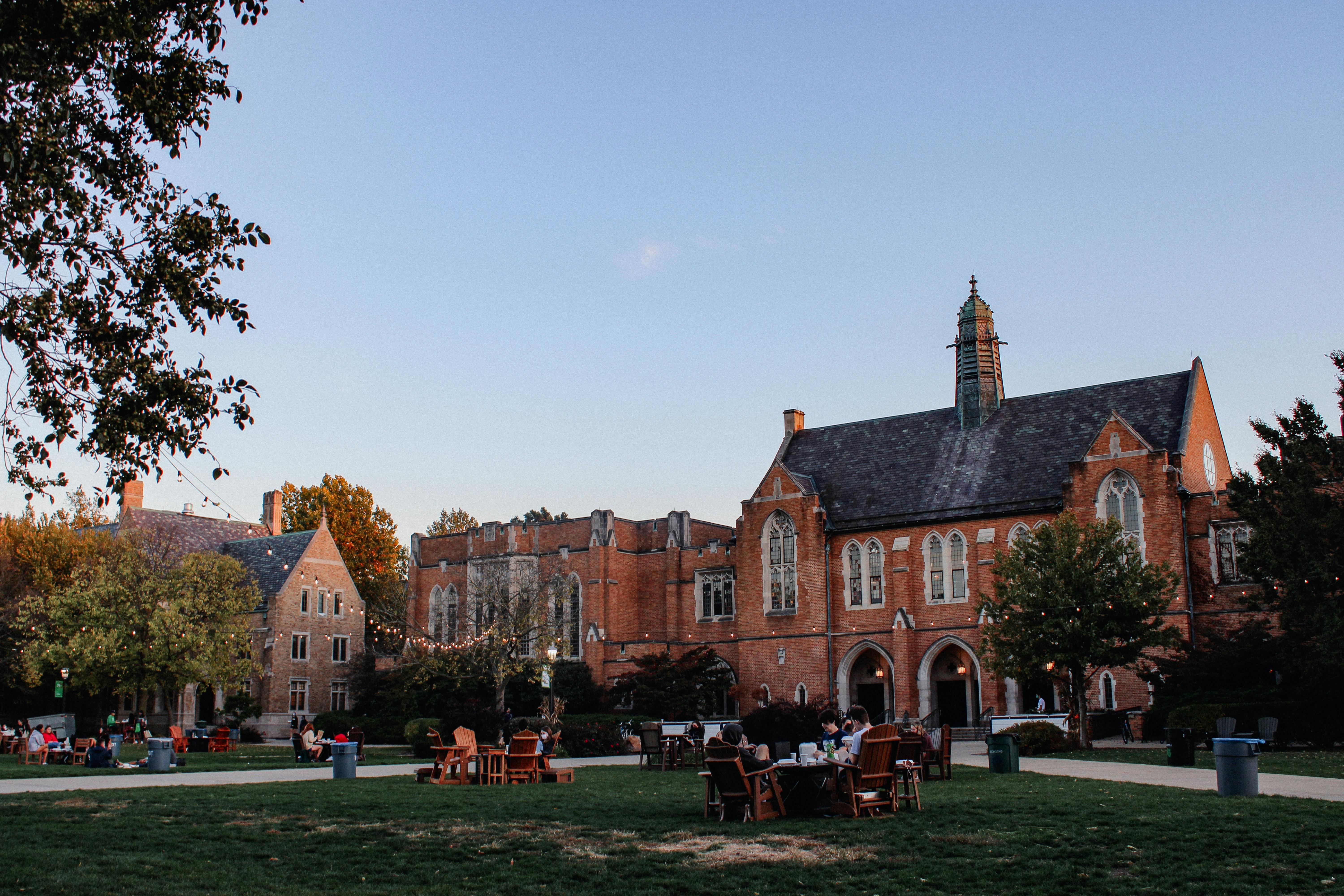
- •Cerca is pairing gated digital university access with a branded physical tour of US universities to host in-person user acquisition mixers.
- •Match Group investor presentations indicate that users aged 18 to 24 represent the fastest-growing demographic on Tinder and Hinge.
- •Historical campus-specific dating platforms including Friendsy and JuicyCampus previously failed or succeeded only by abandoning exclusive campus-only operational models.
Cerca has added school email verification and a minimum threshold of 40 users before activating its new Student Mode at any given campus, whilst simultaneously launching a branded physical tour of US universities. The dual strategy — gated digital access paired with in-person mixers — attempts to solve a problem that's plagued dating apps for years: nobody wants to be the only person on a new platform, particularly when existing options already dominate campus social life. The approach is deliberate scarcity by design.
Students verify their university email addresses to access Student Mode, but the feature won't go live at their institution until 40 others have done the same. Cerca positions this as a safety measure preventing non-students from infiltrating campus dating pools, a concern the company says has intensified as mainstream apps struggle with catfishing near university towns. The company is backing the rollout with physical events — branded mixers that function as both marketing and user acquisition.

This isn't safety innovation, it's exclusivity marketing dressed up as trust infrastructure.
Email verification stops random outsiders but does nothing about harassment, coercion, or data privacy — the safety issues that actually matter to university administrators and compliance teams. What's more interesting is whether the 40-user threshold creates a self-fulfilling prophecy: large state universities hit it easily, smaller liberal arts colleges never do, and Cerca ends up with exactly the engaged user base it wanted anyway. The physical tour is the real play here — it's user acquisition that doubles as social proof.
Create a free account
Unlock unlimited access and get the weekly briefing delivered to your inbox.
Why campus dating apps keep failing
Mainstream platforms already own this demographic. According to Match Group investor presentations, users aged 18-24 represent the fastest-growing segment on Tinder and Hinge, and university students don't typically struggle to find matches on either platform. Every previous campus-specific attempt — Friendsy, JuicyCampus, even Facebook's origins before it opened to the public — has either failed outright or succeeded only by abandoning the campus-only model.
The pitch is always the same: verification creates safety, geographic limits create relevance, and pre-existing social networks reduce friction. The reality is that students want access to the largest possible dating pool, not a smaller, curated one. Campus boundaries feel arbitrary when a significant portion of social life happens off-campus anyway, particularly at urban universities where town-gown distinctions barely exist.

Cerca's 40-user threshold acknowledges this cold-start problem directly. The company won't activate Student Mode at an institution until enough users have registered, which avoids the ghost-town effect that killed earlier attempts. But the same mechanism creates structural inequalities that the company hasn't addressed. Large public universities will hit 40 users quickly through word-of-mouth alone. Regional comprehensives, community colleges, and commuter campuses won't, leaving their students locked out of a feature marketed as improving their dating experience.
Part-time students, mature students returning to education, and anyone without a .edu email address face exclusion — gatekeeping that mirrors existing campus social hierarchies rather than disrupting them.
The students most likely to benefit from structured, safer dating environments — those outside traditional social networks, those at smaller institutions, those balancing education with work or family — are precisely the ones the model leaves behind.
The "mutuals not strangers" contradiction
Cerca frames Student Mode as facilitating connections between people who already share social circles, using language about "mutuals rather than strangers". But the company's own materials describe the feature as helping students match with those they've "only met once or twice" — which is functionally stranger matching, just geofenced to campus. A brief encounter at a house party or passing someone in a lecture hall doesn't constitute a meaningful mutual connection.
The physical tour complicates this messaging further. Branded mixers serve as user acquisition events, but they also create the kind of in-person social proof that dating apps typically struggle to manufacture. If students meet at a Cerca event, connect on the app afterwards, and describe it as "meeting through friends" rather than "meeting online", the company benefits from reduced stigma without actually changing the underlying matchmaking mechanics. That's clever positioning, but it doesn't make the app meaningfully different from Bumble or Hinge in terms of how matches are generated.
The BeReal comparison is instructive here. That platform combined artificial scarcity with social pressure to participate, creating FOMO that drove adoption. Cerca's model borrows the scarcity — limited access, threshold requirements — but hasn't demonstrated the same viral growth mechanics. Cerca still needs to convince students that a smaller dating pool is actually better, which runs counter to every established user preference in the category.
What this means for incumbents
Match Group and Bumble aren't threatened by campus-specific apps as products, but they should be watching the bundled strategy. The combination of digital tools and physical community events is something neither incumbent does particularly well, despite both companies experimenting with singles nights and pop-up experiences in recent years. If Cerca demonstrates that events meaningfully improve user retention or conversion to paid subscriptions, expect the majors to acquire the capability rather than build it internally.
The verification angle is more immediately relevant. Both Match Group and Bumble have rolled out identity verification features across their portfolios, but neither enforces it universally or uses it to create exclusive sub-communities. Cerca's model suggests there's user appetite for more aggressive gatekeeping, at least among demographics concerned about catfishing or unwanted attention. University administrators increasingly face pressure to address dating app-related safety incidents on campus; a verified, campus-only option gives them something to point to, even if the actual safety benefits are marginal.
The 40-user threshold could inform how other dating platforms think about cold-start problems when launching new features or entering new geographies. Rather than going live everywhere simultaneously and hoping for critical mass, Cerca only activates communities once they're viable. That avoids the empty-room problem, but it also means growth happens unevenly and some markets never launch at all. For operators considering similar models, the trade-off is clear: controlled growth at the cost of accessibility.
Cerca's dual rollout will prove or disprove whether students actually want campus-exclusive dating options, or whether this is yet another solution in search of a problem. The physical tour provides a forcing function that previous campus apps lacked, but sustainable growth still requires converting event attendees into daily active users. Watch whether the company publishes campus activation rates or total student numbers — if those figures stay private, assume the model isn't scaling as intended.
Key Takeaways
- •Dating app operators should observe whether Cerca successfully uses physical events to boost retention, as incumbents like Match Group and Bumble may acquire rather than build event capabilities.
- •Compliance teams must recognise that email-based gated access provides exclusivity marketing rather than robust safety protections against harassment, coercion, or data privacy risks.
- •The 40-user activation threshold creates structural growth inequalities, excluding commuter campuses and smaller colleges while restricting total addressable market expansion.
Frequently Asked Questions
Technology & AI Desk
The DII Technology Desk reports on product, engineering, AI and platform infrastructure across dating and social discovery apps.
Comments
Join the discussion
Industry professionals share insights, challenge assumptions, and connect with peers. Sign in to add your voice.
Your comment is reviewed before publishing. No spam, no self-promotion.