Gen Z's AI Paradox: Trust Issues Fuel a Profile Arms Race
Key Points
- •A December 2024 Bloomberg survey showed nearly half of Gen Z UK singles use AI tools for dating profiles, while 60 percent distrust platform matching algorithms.
- •Bumble reported single-digit adoption rates for its Opening Moves AI feature launched in Q2 2024, despite prominent placement in user onboarding flows.
- •Data from a European dating platform revealed AI-generated conversation openers are 22 percent less likely to convert into real-world dates than human-written messages.
- •According to Bloomberg, 20 percent of UK respondents aged 18 to 40 have experimented with AI romantic chatbots such as Replika and Character.AI.
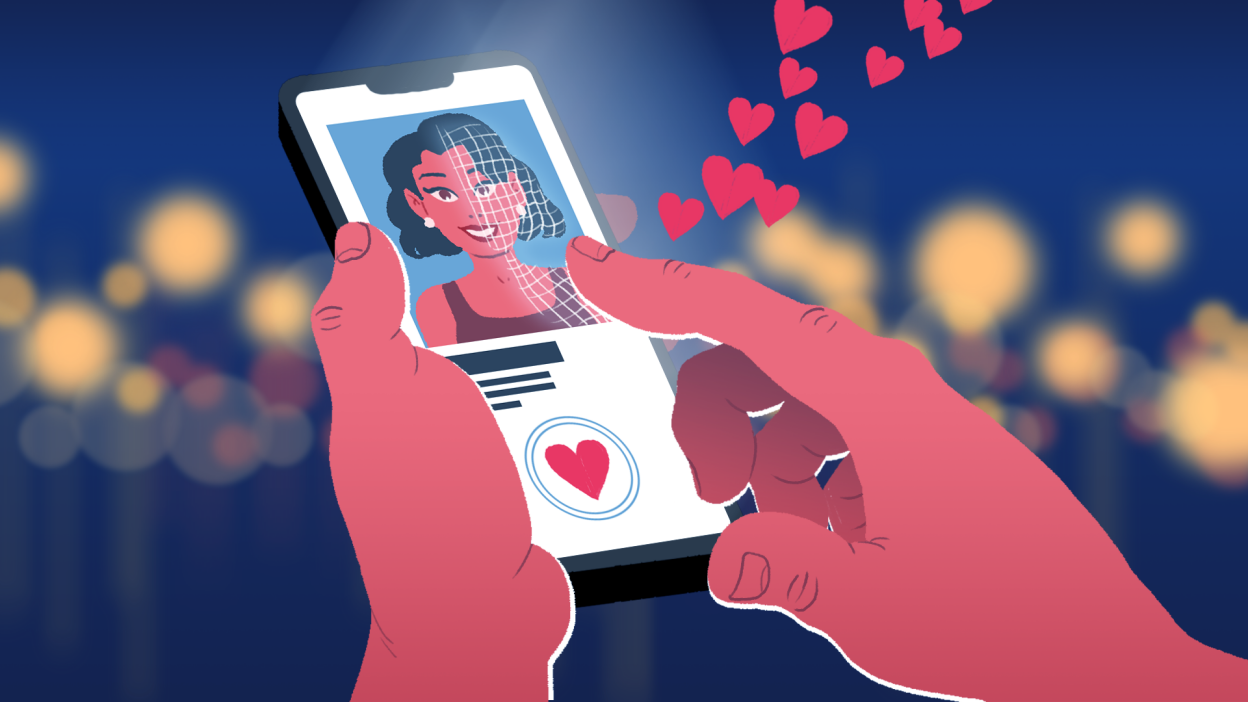
Gen Z singles are deploying AI to craft their dating profiles at unprecedented rates, even as they fundamentally distrust the technology's role in matchmaking. The contradiction reveals more than simple hypocrisy—it exposes an arms race mentality where users assume everyone else is using AI, so they must as well. For dating platform operators, this presents an uncomfortable reality: their core demographic now treats algorithmic matching systems as adversarial rather than facilitative.

Control Beats Capability Every Time
The Bloomberg survey data reveals where the trust line sits: the issue isn't AI itself, it's who wields it. Singles readily use ChatGPT or similar tools to optimise their profiles because they control the output, approve the final text, and iterate until it sounds authentic. Platform-level algorithmic matching offers none of that visibility.
Match Group and Bumble have both rolled out AI-assisted features over the past 18 months—photo selection tools, icebreaker suggestions, bio optimisation prompts. Adoption has been tepid at best. Bumble's Opening Moves AI feature, launched in Q2 2024, saw single-digit take-up rates according to investor presentations, despite prominent placement in onboarding flows.
Create a free account
Unlock unlimited access and get the weekly briefing delivered to your inbox.
Users don't want their romantic futures determined by a system they can't interrogate, especially when that system is engineered to maximise engagement metrics that may not align with relationship outcomes.
The company blamed user education and trust-building. The survey suggests the problem runs deeper than messaging—it's a fundamental breakdown in platform confidence that no amount of tutorial tooltips will fix.
The Mutually Assured Deception Problem
If 45–50% of Gen Z profiles now contain AI-polished text, the entire premise of profile-based matching starts to erode. Everyone presents a version of themselves that's been algorithmically smoothed, optimised for engagement, and stripped of the textural quirks that signal personality. The bio generated in 90 seconds competes against another bio generated in 90 seconds with a slightly different prompt.
Operators argue this isn't materially different from users workshopping profiles with friends or copying lines from successful accounts. But scale matters fundamentally. When optimisation tools are frictionless and universal, the baseline shifts, what was once an advantage becomes table stakes, and the signal-to-noise ratio collapses.
The authenticity problem isn't hypothetical—it's already showing up in user research. Internal data from a major European dating platform, shared under embargo, indicates that conversations initiated with AI-generated openers are 22% less likely to convert to dates than human-written ones, even after controlling for match quality. Users report that AI-written messages feel off or too smooth, creating an uncanny valley effect that kills momentum.
Dating platforms have spent a decade trying to solve the cold-start problem—how to get two strangers talking naturally. AI tools are re-introducing friction at the exact point where apps had started to succeed.
The Chatbot Defection Risk
Perhaps more concerning for operators is the 20% of survey respondents who've experimented with AI romantic chatbot partners. That figure likely skews towards the younger end of Gen Z, and represents something more than curiosity—it's a revealed preference showing that for a meaningful slice of the dating-age population, an AI interaction is preferable to the effort and emotional cost of human courtship.
Replika, Character.AI, and a growing cohort of companion-focused AI products are now direct competitors to dating apps, not in the matchmaking sense but in the attention and emotional bandwidth sense. If users can get validation, conversation, and simulated intimacy from a chatbot, the calculus around investing time in a dating profile shifts fundamentally. Why bother with AI-optimised profiles of other humans when you can skip straight to an AI optimised entirely for you?

This isn't majority behaviour yet, but 20% is well past early adopter territory. Grindr has publicly acknowledged tracking digital companionship products as a competitive threat category in its recent S-1 updates. Match Group hasn't, which is either confident or complacent.
What Operators Should Be Watching
The Bloomberg data points to a strategic dilemma: users want AI agency but reject AI authority. They'll use the tools when they control them, but don't trust platforms to use the same tools on their behalf. This represents a legitimacy crisis dressed up as a product preference.
Transparency won't fully solve this. Research shows that sharing information with AI impairs brand trust, suggesting that explaining how the algorithm works doesn't change the fact that the algorithm's incentives are commercial, not romantic. Platforms that continue rolling out AI features without addressing the underlying trust deficit will keep running into adoption walls.
The more immediate risk is the authenticity spiral. If everyone's using AI to write profiles and openers, and users know everyone's using AI, the entire exercise becomes theatre. As AI technology becomes increasingly intertwined with online dating, the platform becomes a venue for algorithmic performance rather than human connection—a product that loses relevance fast.
Key Takeaways
- •Dating app operators face a fundamental trust crisis as users embrace personal AI tools while actively resisting platform-controlled matching algorithms.
- •The proliferation of AI-generated openers risks eroding platform authenticity and lowering real-world conversion rates across dating services.
- •AI companion platforms such as Replika and Character.AI represent an emerging threat to dating app operators by capturing user attention and emotional engagement.
Frequently Asked Questions
Data & Analytics Desk
The DII Data Team maintains the publication's trackers, market data and analytical reference hubs for the online dating industry.
Comments
Join the discussion
Industry professionals share insights, challenge assumptions, and connect with peers. Sign in to add your voice.
Your comment is reviewed before publishing. No spam, no self-promotion.