

AI Dating Tools Are Delivering Dates and Destroying Trust at the Same Time
Key Points
- •A survey of 1,008 US singles by matchmaking service Arrows AI found that 54 per cent of respondents use artificial intelligence tools for dating assistance.
- •Dating app users employing artificial intelligence tools reported receiving 107 per cent more first dates than individuals who wrote their own profiles and messages.
- •Fifty-eight per cent of surveyed US singles view artificial intelligence usage in dating as digital catfishing, whilst 20 per cent have ghosted suspected users.
- •Match Group, Bumble, and Grindr have integrated artificial intelligence tools into their platforms to assist users with photo selection, profile creation, and chat suggestions.
American singles have backed themselves into a corner. Most people using AI to date believe they're lying by doing so, but they're doing it anyway because it works. The data, based on responses from 1,008 US singles, sketches out a prisoner's dilemma at scale: use AI and get more dates whilst feeling duplicitous, or don't use it and watch your match rate fall whilst maintaining moral high ground that gets you nowhere.
This is the authenticity crisis dating apps have been building towards for a decade, now turbocharged by generative AI. The tragedy isn't that AI 'works'—of course optimised profiles and polished messages perform better—it's that effectiveness has become completely detached from trust. Dating operators who think AI features are a product opportunity without addressing the legitimacy problem are solving for engagement whilst accelerating the erosion of the one thing their platforms can't function without: the belief that the person on the other end is real.
The efficiency trap
The performance gains are difficult to dismiss, even accounting for Arrows' commercial interest in demonstrating dating market dysfunction. Users who deployed AI tools reported landing 107% more first dates than non-users—a figure that will make product teams salivate and ethicists wince in equal measure.
Create a free account
Unlock unlimited access and get the weekly briefing delivered to your inbox.
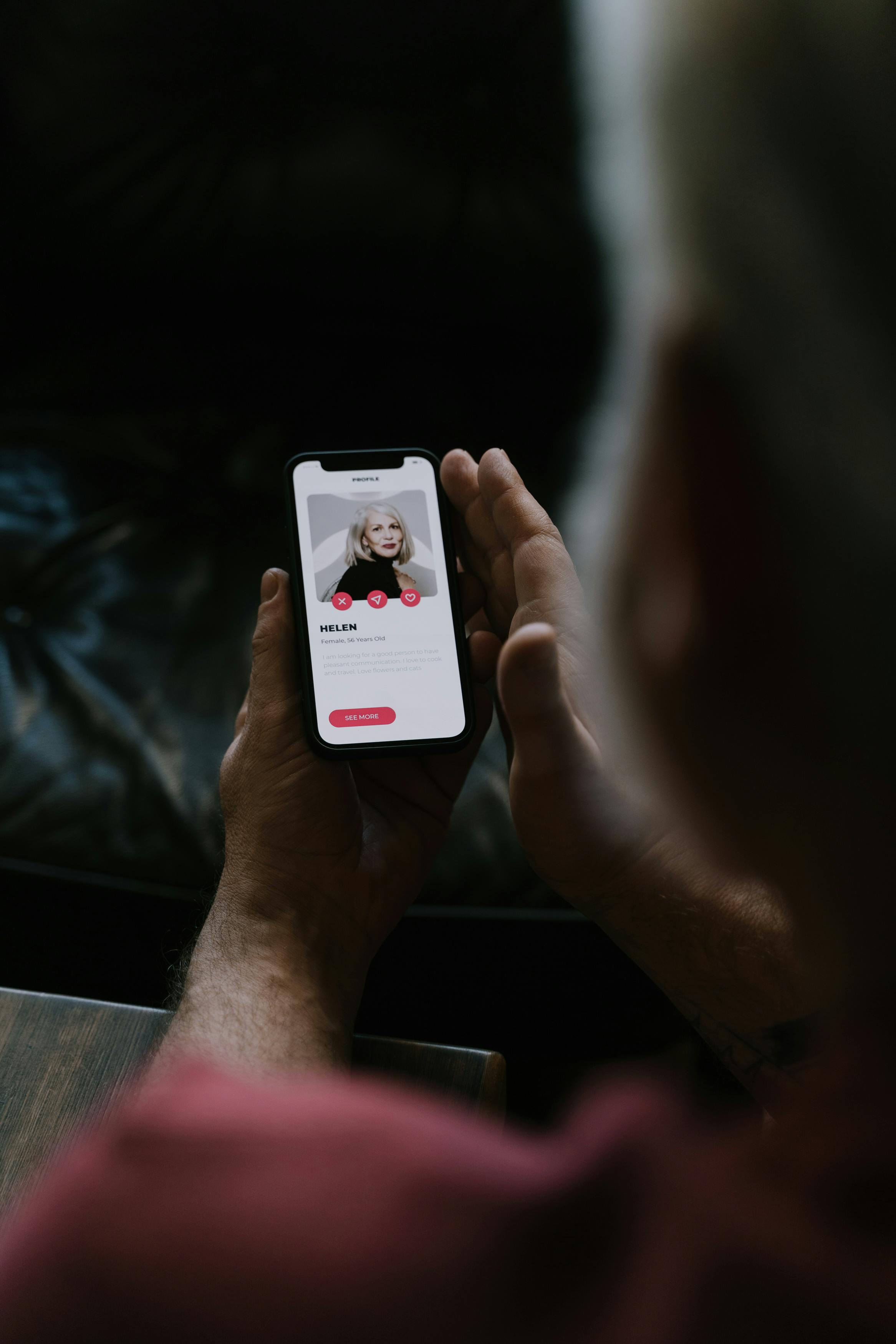
Arrows conducted blind testing, asking participants to evaluate AI-generated profiles against human-written ones. The AI versions outperformed across the board. Whether that reflects superior copywriting or simply the removal of authenticity's rough edges is precisely the question operators should be asking.
Gender splits reveal familiar dynamics. Men disproportionately use AI for opening messages—the traditional friction point on swipe platforms where they're expected to initiate. Women lean towards AI for vetting and safety analysis, using tools to parse whether a match is genuine or threatening. The technology isn't gender-neutral; it's amplifying existing structural imbalances in how dating apps distribute emotional labour.
The survey methodology warrants scrutiny. A sample of 1,008 is statistically viable for headline figures, but the 107% metric could easily reflect selection bias—people who adopt AI tools early may simply be more active, strategic daters regardless of the technology.
Detection and defection
The ghosting statistic is where the data turns genuinely worrying for platform operators. One in five users have already abandoned conversations with suspected AI users. Not confirmed AI users—suspected ones. The threshold for abandonment is now lower than the threshold for proof.
This creates a compounding problem. As AI assistance becomes widespread, the baseline expectation for profile quality and message polish rises. Anyone writing their own material risks looking comparatively worse—or, paradoxically, suspiciously authentic. The Overton window for acceptable self-presentation is narrowing in both directions.
Dating platforms are caught between competing imperatives. AI profile assistance and conversation tools represent obvious product opportunities. Match Group has already integrated AI features into Tinder and Hinge. Bumble launched AI-powered photo selection. Grindr is testing AI chat suggestions. All framed as 'helping users put their best foot forward', which is marketing language for 'helping users be less themselves'.
If 58% of your user base considers AI assistance a form of deception, you're not solving a product problem—you're institutionalising distrust.
The authenticity crisis goes industrial
Dating apps have spent fifteen years gamifying romance, and the industry has paid for it in platform fatigue and declining public sentiment. AI doesn't create the authenticity problem; it industrialises it. The difference between swiping through filtered photos and talking to an AI-optimised persona is one of degree, not kind. But degrees matter.
What's emerging resembles an authentication crisis more than a product evolution. When users can't reliably determine whether they're interacting with a person or a language model, the fundamental value proposition of a dating platform collapses. The promise has always been access to real people. Strip that away and you're left with a chatbot marketplace where nobody trusts anyone and everyone's complicit.
Operators have three options. Embrace AI and watch trust erode further. Ban AI and become unenforceable policemen. Or build verification and transparency mechanisms that let users signal their approach—'AI-assisted profile' badges, conversation authenticity scores, something that acknowledges the technology without pretending it doesn't exist.
The third path is harder and less profitable in the short term. It also happens to be the only one that doesn't accelerate the industry's legitimacy crisis. The Arrows survey is a warning sign, not a product roadmap. Fifty-four per cent adoption with 58% disapproval is not a sustainable equilibrium. It's a market eating itself.
Key Takeaways
- •Dating app operators face a fundamental authentication crisis because artificial intelligence tools increase user date volume whilst simultaneously eroding overall platform trust.
- •Compliance and product teams must implement transparent verification mechanisms like artificial intelligence badges to prevent user abandonment driven by mutual suspicion and ghosting.
Frequently Asked Questions
Data & Analytics Desk
The DII Data Team maintains the publication's trackers, market data and analytical reference hubs for the online dating industry.
Comments
Join the discussion
Industry professionals share insights, challenge assumptions, and connect with peers. Sign in to add your voice.
Your comment is reviewed before publishing. No spam, no self-promotion.


