

Dates of Distinction Bets on Matchmakers. Is Tech Alone Failing?
Key Points
- •Dates of Distinction launches on Valentine's Day, charging £49.99 monthly for access to a swipe deck, human matchmakers, coaching, and in-person events.
- •Match Group reported an 8% year-over-year decline in Tinder paying users in its third-quarter 2024 earnings report.
- •Bumble reported that its total paying users dropped 4% annually as of the second quarter of 2024.
- •Traditional matchmaking services charge between £3,000 and £15,000, leaving a narrow commercial gap for hybrid dating app models like Dates of Distinction.
Valentine's Day will bring yet another dating app to market, but Dates of Distinction isn't pitching itself on a better algorithm or cleaner interface. Instead, it's selling something the industry spent two decades trying to automate away: human matchmakers. For £49.99 per month, subscribers get the standard swipe deck plus access to professional matchmakers who'll curate introductions, offer coaching, and host in-person events.
The pitch reflects a broader industry tension. Dating platforms spent years convincing investors that technology could replace the expensive, labour-intensive work of traditional matchmaking. Scale was the entire point. Strip out the human intermediary, let the algorithm do the work, and watch margins expand.
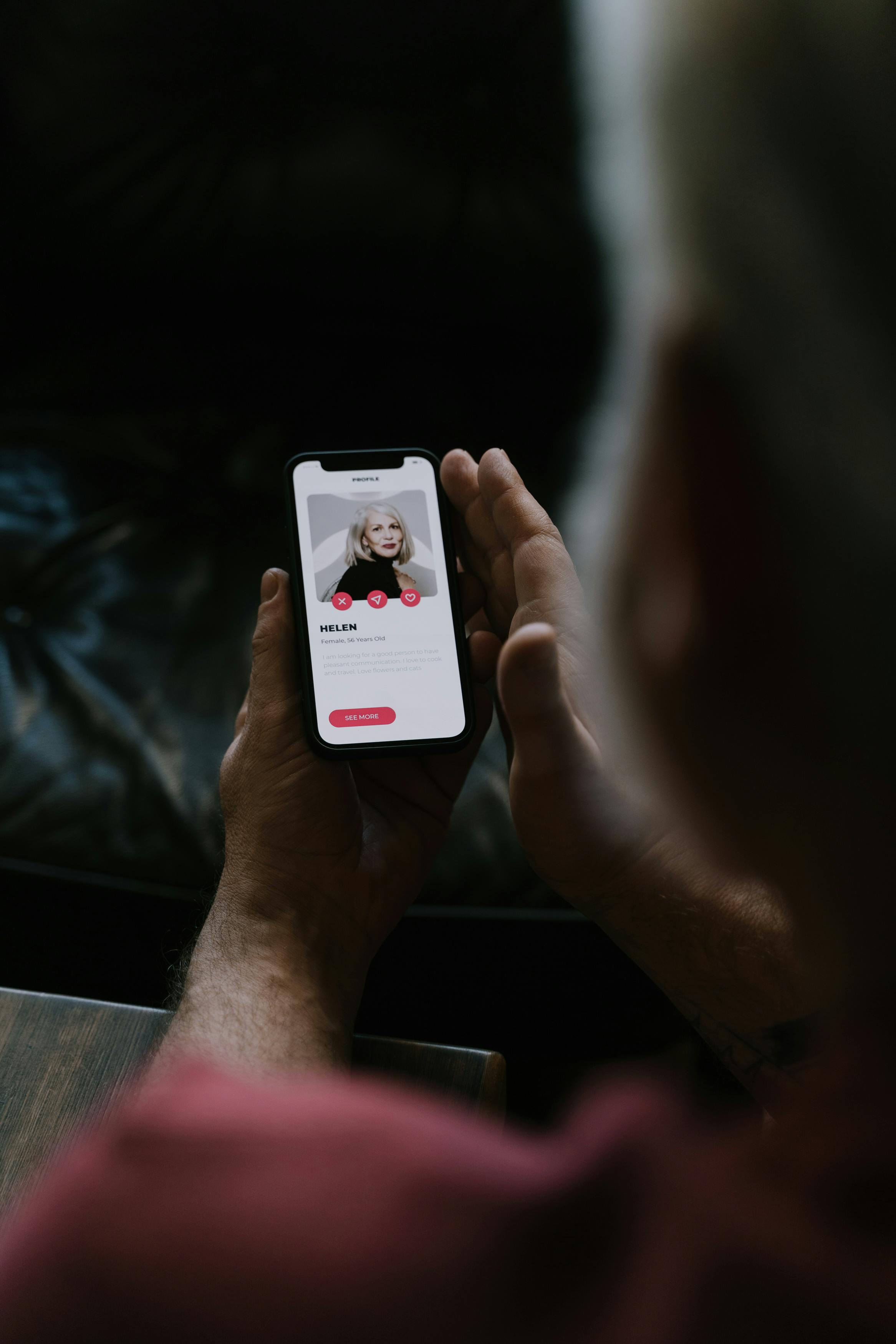
This is less about innovation than admission. When a new entrant's primary selling point is 'we'll add humans back into the process', it's a signal that pure-play algorithmic matching isn't delivering the outcomes that justify subscription prices.
The real test isn't whether Dates of Distinction succeeds—it's whether Match Group (MTCH) or Bumble (BMBL) decides the hybrid model is worth cannibalising their own high-margin products to chase. If they don't, it suggests they've already run the unit economics and decided professional matchmakers don't scale.
Create a free account
Unlock unlimited access and get the weekly briefing delivered to your inbox.
Matchmaking as a feature, not a business
Traditional matchmaking services charge £3,000 to £15,000 for bespoke introductions, background checks, and white-glove service. That's a low-volume, high-touch business with fundamentally different economics than app subscriptions. Dates of Distinction is attempting to thread a narrow commercial gap: expensive enough to fund human labour, cheap enough to feel like an app upgrade rather than a lifestyle service.
The question is whether £600 annually buys meaningful matchmaker attention or theatre. Professional matchmakers typically work with small client rosters—dozens, not thousands—because the service requires genuine relationships, intuition, and time. An app adding matchmakers as a feature must either limit the number of premium subscribers (capping revenue) or spread matchmaker attention so thin that the 'human touch' becomes a few templated messages and the occasional group event.
What Dates of Distinction hasn't disclosed is how many matchmakers it employs per subscriber, what their qualifications are, or how much hands-on time each member actually receives. Without those details, 'professional matchmaker' could mean anything from a trained relationship coach to a customer service representative with a fancier title.
The real competitive context
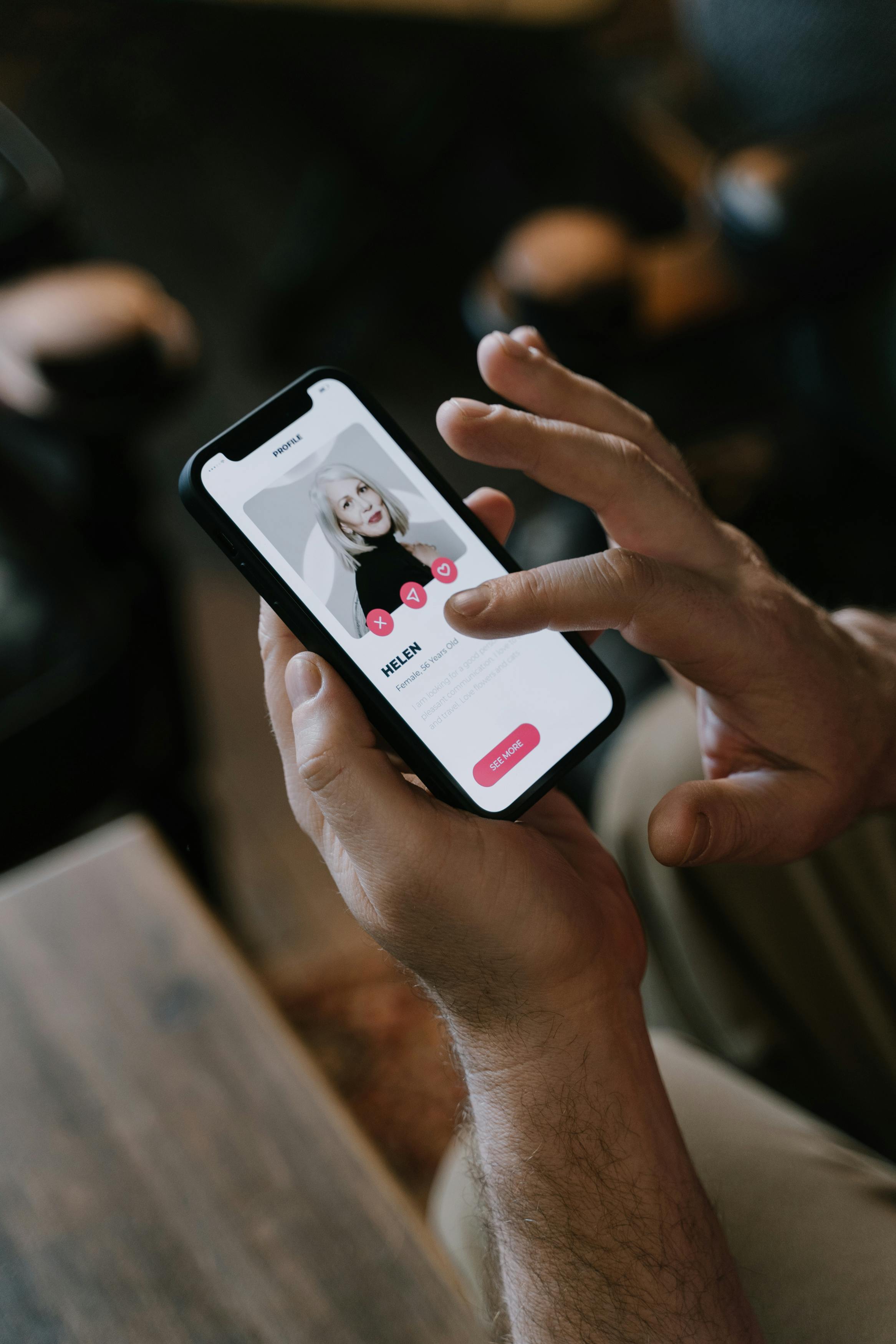
The hybrid model isn't new. Several niche platforms already combine technology with human curation. Tawkify, which charges between $199 and $500 monthly, uses matchmakers to select every introduction—no swiping at all. The League layers in human verification and curated matches.
Even established players have tested adjacent features: Bumble (BMBL) acquired Geneva Social in 2022 to build out IRL event capabilities, whilst Hinge introduced 'Most Compatible' as a daily algorithmically-curated match that mimics the 'someone chose this for you' psychology of human matchmaking.
Where Dates of Distinction differs is in positioning matchmaker access as the core premium tier rather than a side feature. That's a bet that enough subscribers are willing to pay £50 monthly not for better technology but for less technology—or at least, for a human intermediary who can override the algorithm.
The in-person events component is table stakes at this point. Bumble has been hosting IRL experiences since 2017. Match Group's BLK added in-person events in 2023. Feeld runs member gatherings. Events are useful for engagement and brand affinity, but they're also expensive to run, logistically complex, and geographically limited.
What the market signal suggests
Dating app fatigue is well-documented. Match Group disclosed in its Q3 2024 earnings that Tinder's paying user base declined 8% year-over-year, whilst Hinge's revenue growth decelerated. Bumble reported in Q2 2024 that total paying users dropped 4% annually. The narrative across both businesses has shifted from growth to retention, with executives emphasising product quality over user acquisition.
Against that backdrop, Dates of Distinction's model is a direct response to commoditisation. When basic swiping feels identical across platforms, operators need a new dimension to charge for.
Some are betting on AI—Match Group is investing heavily in AI-driven recommendations and conversation starters. Others are betting on trust and safety, adding verification and moderation as premium features. Dates of Distinction is betting that what differentiated dating services before apps—human judgement and social facilitation—still has commercial value even inside an app wrapper.
That might work if the target market is older, higher-income singles who remember when matchmakers were the norm and have the disposable income to pay for convenience. It's less obvious whether 30-year-olds who've spent their entire adult lives swiping will see £50 monthly for matchmaker access as worth it, or as an admission that the app doesn't work without expensive human intervention.
What happens if this works
If Dates of Distinction gains traction, the strategic question for incumbents becomes whether to acquire it, copy it, or ignore it. Acquiring would give Match or Bumble a premium-tier brand without disrupting their existing products. Copying it would require hiring matchmakers at scale, which undermines the unit economics that make dating apps attractive to investors in the first place. Ignoring it only makes sense if hybrid models remain niche.
The broader risk for the industry is that reintroducing human matchmakers validates the criticism that algorithmic matching hasn't actually solved the core problem. If better outcomes require human judgement, then the past two decades of product development haven't been about improving matchmaking—they've been about improving distribution and reducing costs. That's a perfectly defensible business, but it repositions dating apps as lead generation tools rather than solutions.
Whether investors are comfortable with that framing depends on how much growth they still expect from the category.
Key Takeaways
- •Reintroducing human matchmakers signals that pure-play algorithmic matching is struggling to justify subscription prices amid declining paying user numbers at major platforms.
- •If hybrid models like Dates of Distinction succeed, dating app incumbents face the unit economics challenge of scaling human matchmakers without severely eroding profit margins.
- •A shift toward human-assisted tiers risks repositioning dating apps as lead generation tools rather than automated solutions, fundamentally altering long-term investor valuation metrics.
Frequently Asked Questions
Newsroom
The DII Newsroom reports daily breaking news across the global online dating, matchmaking and social discovery industry.
Comments
Join the discussion
Industry professionals share insights, challenge assumptions, and connect with peers. Sign in to add your voice.
Your comment is reviewed before publishing. No spam, no self-promotion.


