Tinder's Wedding Subsidy: A PR Stunt or a New Precedent in Dating Costs?
Key Points
- •Match Group subsidiary Tinder is offering 20 UK users up to £150 each to subsidise date expenses for attending weddings this spring.
- •American Express research from 2024 showed the average UK wedding guest spends £272 per event, with costs doubling for single attendees bringing a guest.
- •Tinder reported a 69% year-on-year increase in wedding plus-one mentions in user bios, although the platform did not disclose underlying methodology.
- •Parent company Match Group reported Tinder direct revenue of $1.9 billion in 2024 as dating platforms experiment with real-world financial incentives.
Match Group subsidiary Tinder is offering 20 users up to £150 each to subsidise the cost of bringing a date to a wedding this spring. The promotion, which runs through May, requires users to apply by explaining why they deserve the funds—framing the initiative as a solution to what the company claims is a 69% year-on-year increase in 'wedding +1' mentions appearing in user bios. Strip away the cheerful PR framing and what's left is a stark commercial calculation: the financial burden of attending weddings as a single person has become significant enough that a dating platform sees brand value in acknowledging it.
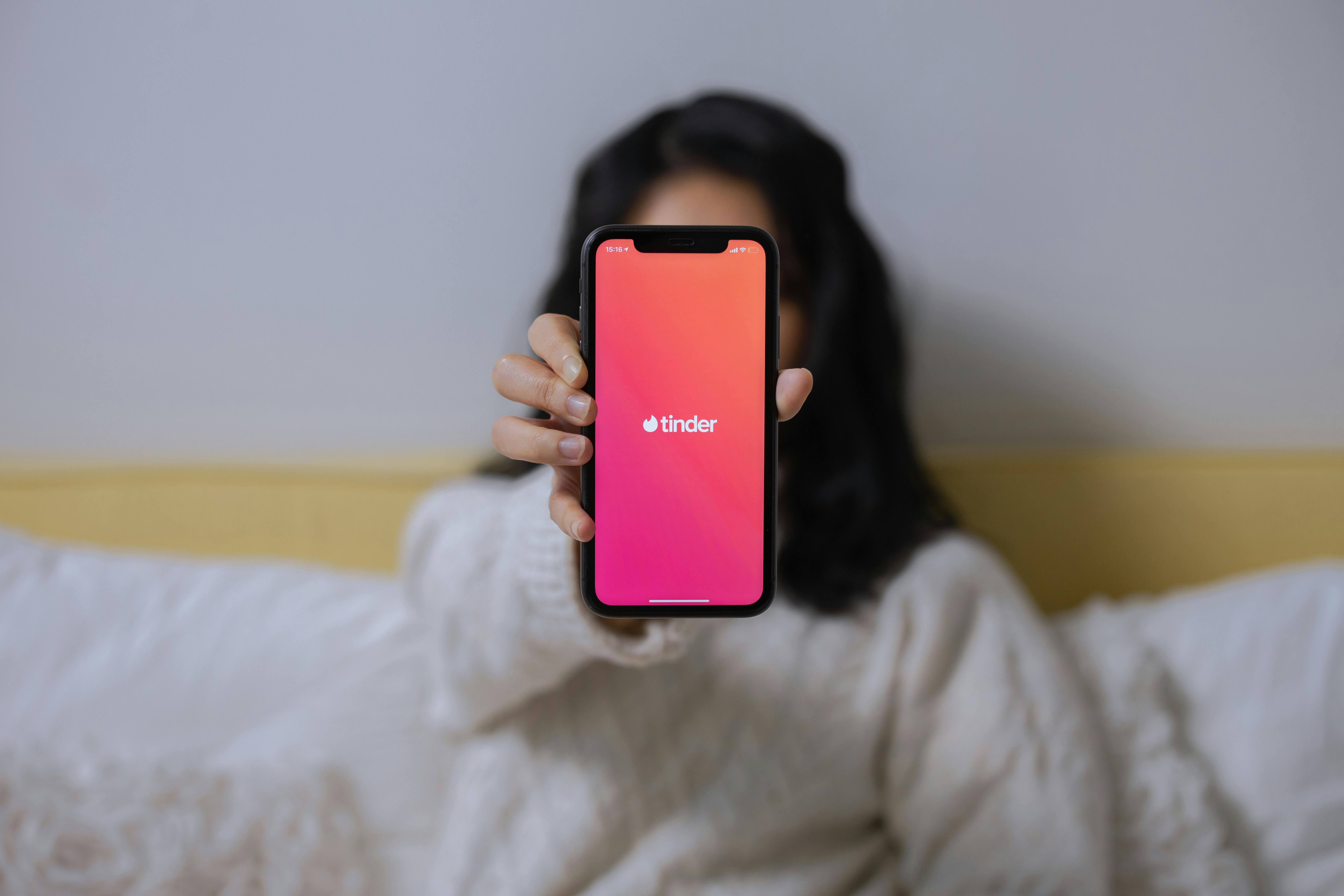
This is feature theatre dressed as social commentary. Twenty subsidies won't move the needle on wedding attendance patterns, but the campaign does reveal something useful: the company recognises that external social pressures—particularly financial ones—are increasingly influencing early-stage dating behaviour. The question Tinder hasn't answered is whether formalising transactional dating arrangements (find a plus-one, get paid) undermines the very social spontaneity it claims to facilitate.
The promotional mechanics suggest Tinder views weddings as a user acquisition channel, which is sharp marketing but awkward positioning for a product supposedly built around authentic connection.
Financial pressure meets social obligation
Wedding guest costs have climbed steadily over the past five years, particularly in the UK where travel, accommodation, outfit requirements, and gift expectations routinely push the per-event spend above £200 for attendees. Research from American Express published in 2024 found the average UK wedding guest spends £272 per event when factoring in pre-wedding celebrations, stag dos, and hen parties—a figure that rises sharply for anyone in the wedding party itself.
Create a free account
Unlock unlimited access and get the weekly briefing delivered to your inbox.
For singles, that cost doubles when bringing a guest, creating what some have termed the 'plus-one tax': the additional expense of funding someone else's attendance at an event where the invitation was extended on the assumption of coupled attendance. Tinder's promotion acknowledges this dynamic directly, with the company claiming that 'nearly 60%' of UK singles have declined wedding invitations due to cost concerns. The figure appears in promotional materials without attribution to any named research partner or disclosed methodology, raising questions about sample size and demographic weighting.
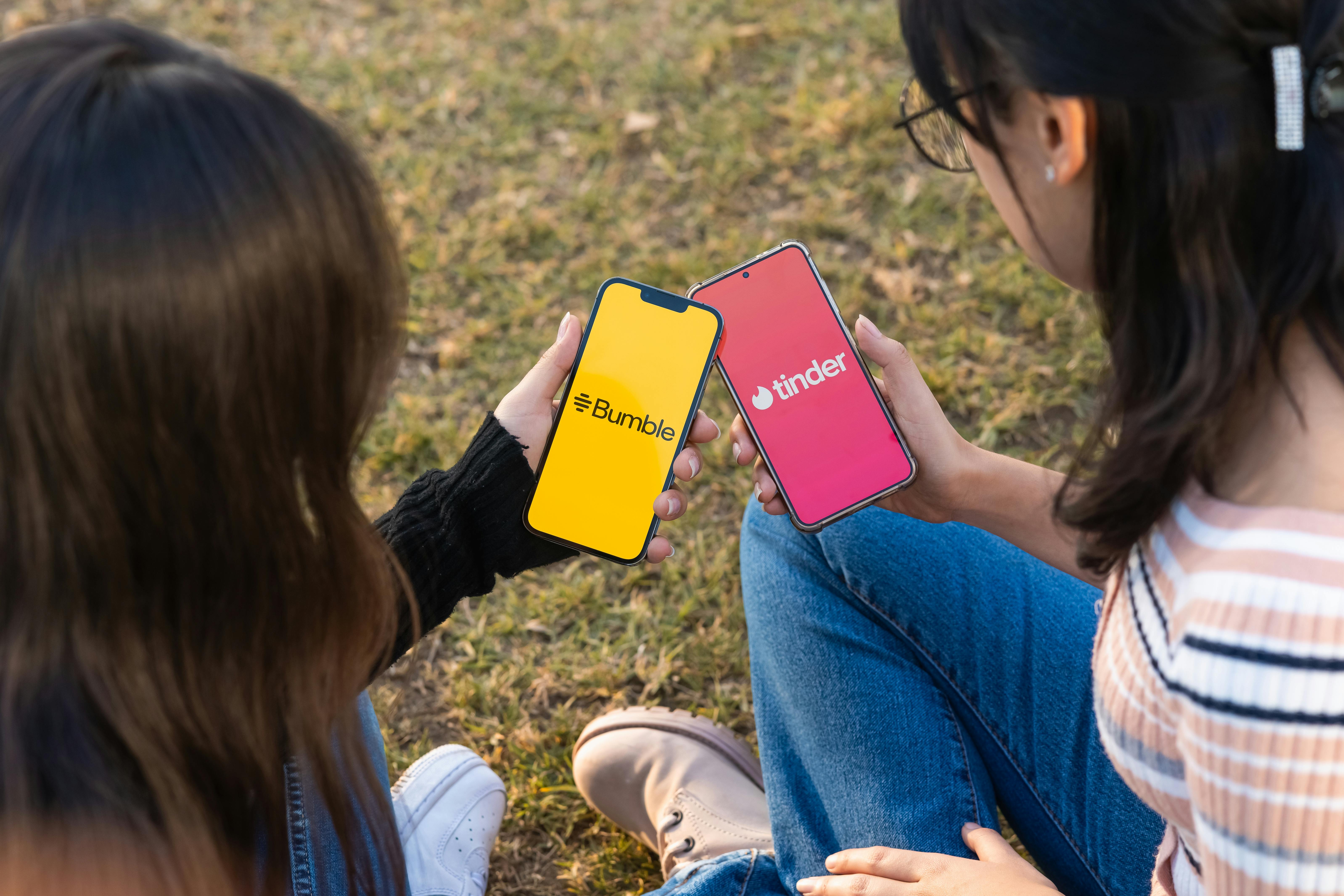
What's changed isn't wedding pressure itself—seasonal dating surges around summer weddings are well-documented across the industry. The shift is in how platforms are positioning themselves relative to that pressure. Rather than treating weddings as an organic driver of dating app engagement, Tinder is actively inserting itself into the financial transaction, effectively saying: we know this costs money, and we'll help you afford it.
When user behaviour becomes marketing opportunity
According to Tinder's internal data, mentions of 'wedding season' and '+1' in user bios increased 69% year-on-year. The company did not disclose the baseline volume, the time period measured, or whether this reflects absolute growth in the UK user base or proportional increases in wedding-related language. Without those data points, it's impossible to assess whether this represents a meaningful behavioural shift or noise within normal seasonal variation.
The promotion itself is structured as an application process, requiring users to submit their case for why they deserve the subsidy. Tinder will select the 'best' entries, turning what could be straightforward financial assistance into user-generated content optimised for social sharing. The mechanic is familiar from sweepstakes marketing, but the context—subsidising the cost of commodifying a date for social obligation—introduces an uncomfortable edge.
If three-quarters of users genuinely felt comfortable with wedding first dates, you'd expect to see that reflected in platform messaging patterns and date logistics—and there's no indication Tinder has observed that trend at scale.
Tinder also cites figures suggesting 77% of singles would feel comfortable asking a Tinder match to a wedding as a first date, attributed to a Mirror article rather than original research with disclosed methodology. The claim sits awkwardly against years of dating behaviour data showing that high-stakes first dates (meeting family, attending formal events, extended time commitments) typically perform poorly for conversion and second-date rates.
The transactional creep in dating product strategy
Tinder's wedding subsidy follows a broader pattern across the dating market where platforms are experimenting with real-world incentives and financial hooks to drive engagement. Hinge introduced 'Date Night' features connecting users to restaurant reservations. Bumble has tested event partnerships offering members priority access to social experiences. Grindr has explored location-based offers tied to nightlife venues.
None of those initiatives involve direct cash subsidies to users, which makes Tinder's approach distinct. By offering to cover costs rather than simply facilitating connections, the company is edging closer to openly transactional arrangements—a space the industry has historically avoided for positioning reasons, even as sugar dating platforms and 'mutually beneficial' relationship apps have carved out their own market segment.
The risk isn't reputational (Tinder's brand can absorb a cheeky wedding campaign without damage). The risk is precedent. Once a platform begins subsidising real-world dating costs, members may begin to expect it—or competitors may feel pressure to match. That's unlikely given the economics (Match Group reported Tinder direct revenue of $1.9B in 2024, but subsidising user dates at scale would erode margins quickly), but the framing matters for how singles perceive what dating apps are offering beyond the swipe.
Tinder's promotion runs through 31 May, conveniently timed to capture the April-through-June wedding peak in the UK. Whether the initiative generates meaningful brand lift or simply cycles through the press for a week will depend on how many publications are willing to treat £3,000 in giveaway funds as a story worth covering. The answer, apparently, is quite a few.
Key Takeaways
- •Dating app operators face operational risks if cash incentives set expectations among users, potentially creating long-term pressure on operating margins across competing platforms.
- •Investors should monitor whether real-world financial subsidies alter user positioning towards transactional arrangements rather than organic relationship facilitation.
Frequently Asked Questions
Financial Intelligence Desk
The DII Financial Intelligence Desk covers earnings, valuations, funding and the financial performance of the global online dating industry.
Comments
Join the discussion
Industry professionals share insights, challenge assumptions, and connect with peers. Sign in to add your voice.
Your comment is reviewed before publishing. No spam, no self-promotion.