Tinder's 'Double Date Island' Isn't Just Marketing. It's a Gen Z Retention Gamble.
Key Points
- •Tinder sent eight content creators to Ibiza to film the Double Date Island reality-style marketing campaign promoting its group dating feature.
- •Match Group reported that 90% of Tinder Double Date feature usage comes from users under 29 years old.
- •Tinder revenue grew by 5% in Q4 2024, marking the slowest growth rate for the application in years.
- •Bumble App paying users fell 4% year-over-year to 3.1 million in Q4 2024, with particular weakness among under-30 demographics.
Tinder has shipped eight content creators to Ibiza to film what it's calling 'Double Date Island'—a reality-style marketing campaign designed to promote its group dating feature to Gen Z users. The campaign positions the product as a way to 'take the pressure off' traditional one-on-one dates by turning them into group hangouts. According to the company, 90% of Double Date feature usage comes from under-29s, a figure that tells you everything about where Tinder thinks the market is heading.
The strategy marks a notable shift for the app that essentially invented swipe culture. Tinder is now selling friendship and group socialising rather than romantic connection. The question is whether that's a smart pivot to meet Gen Z preferences or a tacit admission that the dating app model itself has stopped working for its core demographic.
This isn't just marketing—it's a product repositioning that reveals how anxious Match Group has become about Gen Z engagement.
When your flagship app starts promoting 'less pressure' and 'shared experiences' over actual dating, you're responding to a retention problem, not creating demand. The 90% under-29 skew on Double Date usage could be read two ways: either Tinder has found product-market fit with younger users, or it's accidentally segmented itself into an app for people who don't want to date and an app for people who do. That's a monetisation headache waiting to happen.
Create a free account
Unlock unlimited access and get the weekly briefing delivered to your inbox.
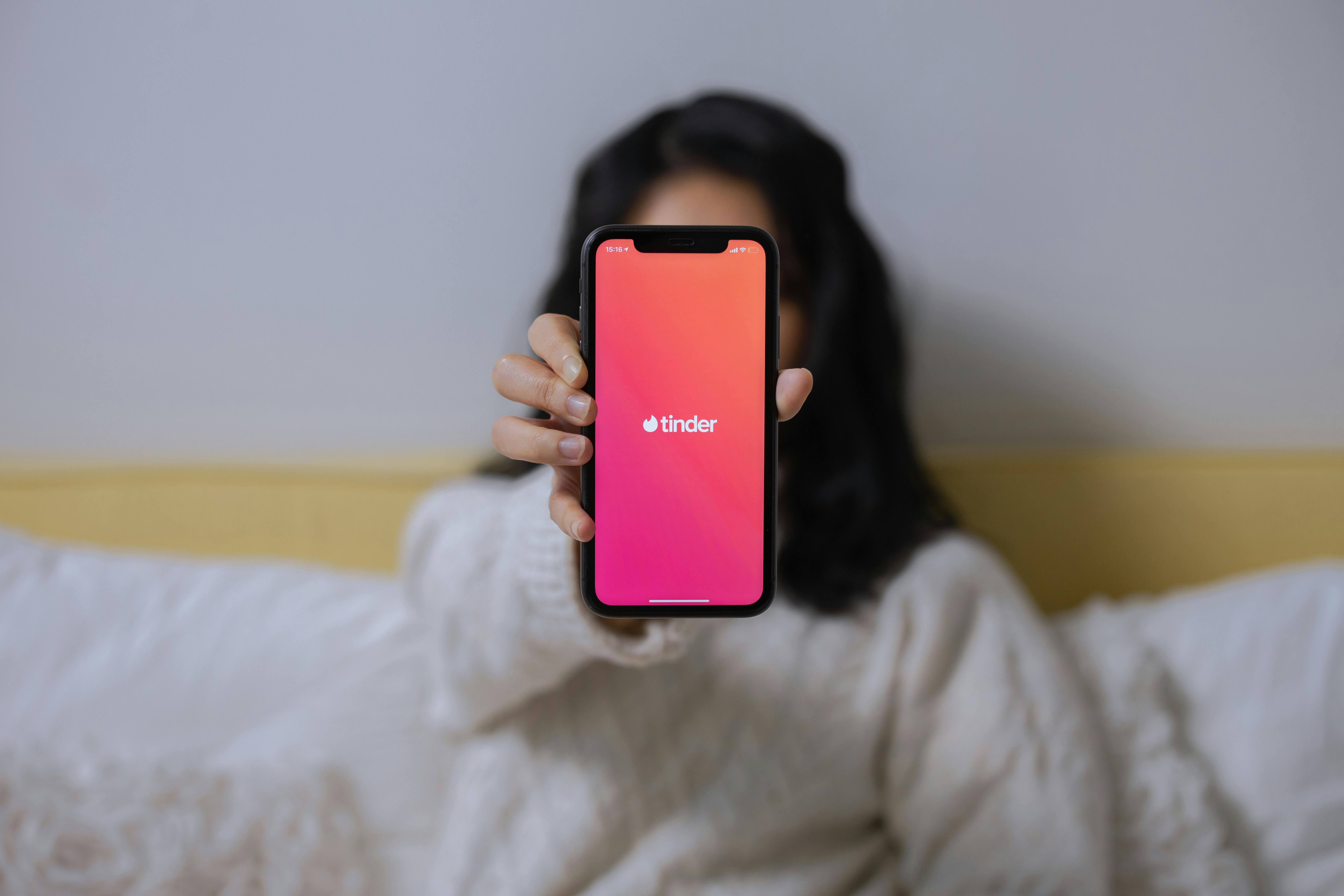
When 'dating app' becomes a liability
Paolo Lorenzoni, Tinder's director of marketing for UK, Ireland, and the Nordics, framed the campaign around Gen Z's supposed preference for 'fun' and 'shared experiences' rather than 'pressure or being accountable'. That's one interpretation. Research from Pew and the Survey Center on American Life paints a more complex picture: Gen Z reports higher rates of dating anxiety, loneliness, and fear of rejection than previous generations at the same age. They're not rejecting romance—they're terrified of it.
The Double Date feature, launched globally last year after initial testing, lets users coordinate group outings with matched pairs. Usage data shared by the company shows it's become one of the most-used features among younger members, though Tinder hasn't disclosed what percentage of overall sessions include group dating activity versus traditional one-on-one matching. That omission matters.
If Double Date is popular because it's the only way Gen Z will actually meet up, Tinder has a conversion problem. If it's an add-on to existing dating behaviour, it's a retention play. Either way, the pivot towards lower-stakes socialising reflects what operators across the market already know: traditional dating app engagement has cratered among younger users.
Bumble reported in its Q4 2024 earnings that Bumble App paying users fell 4% year-over-year to 3.1 million, with particular weakness in under-30 demographics. Match Group's own Tinder revenue grew just 5% in Q4, the slowest growth rate for the app in years. The industry's existential problem is that the generation it needs for growth doesn't want what it's selling.

The reality TV playbook
Tinder's choice to frame this as a reality show isn't accidental. Reality dating formats—Love Island, Too Hot to Handle, The Ultimatum—consistently outperform scripted romance content with Gen Z audiences, according to viewing data from Netflix and streaming platforms. These shows sell the same thing Tinder is now marketing: dating as group entertainment rather than individual pursuit.
The 'Double Date Island' campaign mimics that format down to the Ibiza location, a direct nod to Love Island's villa setting. Content creators featured in the campaign will post across TikTok and Instagram, platforms where Tinder has struggled to maintain organic reach as algorithm changes have favoured short-form video over static profiles.
If the core issue is that Gen Z finds one-on-one dating too anxiety-inducing, group features might ease that friction. But if the real problem is that app-mediated dating has become productised and transactional, then rebranding romance as 'hanging out' just moves the goal posts without changing the game.
The reality format gives the company a content vehicle that works with platform mechanics rather than against them. Whether it actually drives downloads or feature adoption is a different question. Bumble's extensive brand partnerships and influencer campaigns haven't stopped its user decline. Hinge's video prompt features, designed to mimic TikTok's format, haven't reversed its slower growth trajectory as disclosed in Match Group's investor communications.
The broader pattern here is an industry chasing distribution rather than solving product problems. If the core issue is that Gen Z finds one-on-one dating too anxiety-inducing, group features might ease that friction. But if the real problem is that app-mediated dating has become productised and transactional—creating the very pressure these features claim to reduce—then rebranding romance as 'hanging out' just moves the goal posts without changing the game.
The monetisation question
What nobody's saying publicly is how this repositioning affects unit economics. Tinder's revenue model depends on converting free users into subscribers who pay for visibility, Super Likes, and Boosts—all features designed for one-on-one matching. Group dating introduces coordination complexity that reduces conversion opportunities. Four people need to match, agree on a time and location, and actually show up. That's a lower conversion rate by design.
If Double Date becomes the primary use case for under-29s, Tinder needs a different monetisation strategy for that cohort. The company hasn't indicated what that might look like. Meanwhile, the 90% under-29 usage figure implies that older users—the ones more likely to pay—aren't using the feature. That creates a bifurcated product serving two different use cases, a dynamic that rarely ends well for retention or lifetime value.

The alternative reading is that Tinder views this as a top-of-funnel play: get Gen Z onto the platform through lower-stakes group interactions, then convert them to traditional dating as they age into their late twenties. That's plausible, but it requires those users to stick around long enough to age up, and current engagement trends suggest they're not. Bumble's user churn among younger demographics, disclosed in recent earnings calls, indicates that getting Gen Z onto dating apps is easier than keeping them there.
Tinder's attempt to reframe itself as a social hangout facilitator reveals the bind the entire industry faces. The product that worked for Millennials—frictionless, high-volume matching optimised for efficiency—actively repels the generation that's supposed to replace them. Whether friendship-first features are the answer or just a rebranding exercise will become clear in Match Group's next few quarterly reports. Until then, watch the under-29 retention metrics. If they don't improve, Tinder's reality show is just expensive content marketing for a product nobody wants.
Key Takeaways
- •Dating app operators pivoting to group socialising face monetisation risks, as existing subscriber features like Boosts and Super Likes are optimised for individual matching.
- •A dual-track user base where younger users seek group hangouts while older users seek traditional dating complicates long-term user retention and unit economics for Match Group.
Frequently Asked Questions
Technology & AI Desk
The DII Technology Desk reports on product, engineering, AI and platform infrastructure across dating and social discovery apps.
Comments
Join the discussion
Industry professionals share insights, challenge assumptions, and connect with peers. Sign in to add your voice.
Your comment is reviewed before publishing. No spam, no self-promotion.