Tinder's Anti-IRL Campaign: A Defensive Move in a Shifting Market
Key Points
- •Tinder Australia has launched a campaign featuring TikTok creators and hidden-camera content that explicitly positions digital app matching as superior to offline romantic encounters.
- •Match Group has not disclosed the investment figures for the Australian test campaign or confirmed whether the creative approach will expand to other markets.
- •Tinder is simultaneously running conflicting marketing efforts in Australia, pairing a campaign mocking offline romance with a Netflix Bridgerton partnership celebrating slow-burn courtship.
- •Offline dating alternatives are expanding in major Australian cities like Sydney and Melbourne while Gen Z users report increasing dating app fatigue.
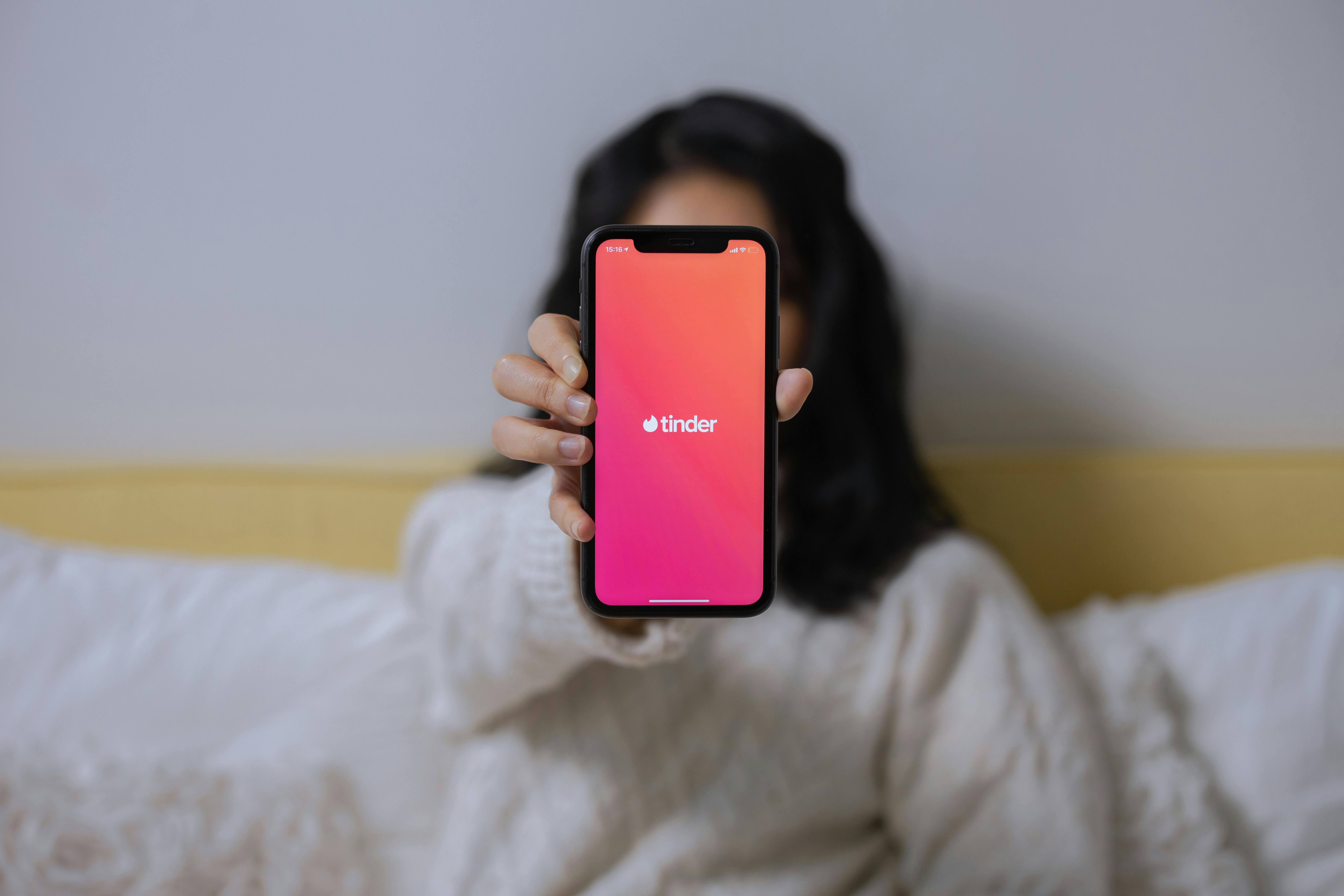
Tinder has rolled out the Australian version of its 'It Starts With a Swipe' campaign, deploying TikTok creators to produce hidden-camera-style content that explicitly frames organic offline connection as something to avoid rather than aspire to. The timing is notable: at a moment when younger singles are increasingly vocal about app fatigue and seeking alternatives, Match Group's flagship product is doubling down on a pitch that says real life is uncomfortable, stick with the screen. This isn't confidence — it's defence dressed up as swagger.

When the Pitch Becomes the Problem
The creative execution follows a familiar pattern: influencer approaches stranger, conversation goes badly, cut to message about how Tinder solves this. According to campaign materials, Tinder's 'rapid rate of new matches' offers a way to find 'genuine connections quickly'. That claim warrants scrutiny.
Match volume and connection quality are not the same metric, and Tinder has provided no evidence that higher swipe throughput correlates with relationship satisfaction or meaningful connection outcomes. The app generates matches efficiently — that much is demonstrable. Whether those matches produce the authentic connection that users increasingly report wanting is a separate question entirely, and one that recent user satisfaction surveys suggest remains unresolved.
Create a free account
Unlock unlimited access and get the weekly briefing delivered to your inbox.
Positioning your product as superior to organic human connection might have worked in 2015 when dating apps were novel and unthreatened. In 2025, with Gen Z increasingly vocal about app fatigue and the singles events industry booming, telling people to avoid real-world romance feels like fighting yesterday's perception battle.
The campaign's reliance on TikTok distribution and creator-led content reflects broader industry recognition that traditional advertising channels no longer reach or persuade dating app target demographics. Every major operator now runs influencer programmes. Bumble has leaned heavily on creator partnerships for its rebrand rollout, whilst Hinge's 'Designed to be Deleted' messaging has been amplified primarily through social-native content.
But there's a substantive difference between using influencers as a distribution channel and using them to make an editorial argument about the superiority of digital matching over organic meeting. Tinder's campaign does both, and the latter carries risk.

The IRL Threat Nobody's Quantifying
Dating operators have spent years dismissing offline alternatives as niche, logistically constrained, and incapable of scaling. That dismissal is looking increasingly premature. Singles events businesses are proliferating across major metros, speed dating operators report waitlists, and organisers of activity-based socials are seeing sustained demand growth.
None of these represent existential threats to Tinder's user base at scale. But they do represent something more subtle and potentially more corrosive: a shift in how younger singles talk about dating apps. The narrative is moving from 'necessary utility' to 'occasionally useful but fundamentally unsatisfying'.
Australia is a particularly interesting test market for this positioning. The country has seen notable growth in offline dating alternatives over the past 18 months, with event-based dating businesses expanding rapidly in Sydney and Melbourne. It's also a market where Tinder has historically held strong positioning but faces intensifying competition from video-first platforms and niche apps targeting specific demographics with more curated experiences.
When your brand response to that shift is to mock the alternative, you risk accelerating the very perception problem you're trying to counter.
The campaign's choice to stage awkward real-world interactions as comedy carries an implicit message: attempting to meet someone offline is embarrassing and inefficient. That framing might resonate with users who already prefer app-based dating. It's less clear whether it persuades the growing cohort of younger singles who've tried apps, found them wanting, and are actively exploring alternatives.
What the Marketing Says About the Product
Marketing strategy reveals product anxiety. When a category leader spends budget arguing against an alternative rather than articulating its own unique value, it suggests defensive positioning. Tinder could be highlighting features that genuinely differentiate it from emerging competitors — AI-enhanced matching, safety tools, community-building features, verified profiles.
Instead, it's making a case against meeting people at cafés. The campaign's structure also raises questions about creative sustainability. According to available information, future content instalments depend on how the initial rollout performs, suggesting this isn't a committed multi-quarter brand platform but rather a test campaign with uncertain longevity.

Match Group has not disclosed specific investment figures for the Australian campaign or whether similar creative will be adapted for other markets. The company's most recent earnings commentary emphasised efforts to re-engage lapsed users and attract younger demographics, noting particular focus on markets where competition from newer entrants has intensified. Australia fits that description, as does the UK, where similar user sentiment shifts are visible in survey data.
The broader strategic question facing Tinder and its parent company is whether continued investment in marketing that positions apps as replacements for organic connection is sustainable as cultural sentiment shifts. Every operator talks about facilitating 'real connection', but campaigns that explicitly mock real-world interaction undermine that framing. You can't simultaneously claim your app enables authentic human connection and suggest that attempting connection without your app is inherently awkward and best avoided.
The campaign will likely generate impressions, engagement, and short-term awareness lift. Whether it moves the metrics that matter — new user acquisition among the specific demographics showing highest app fatigue, re-engagement of lapsed users, conversion to paid tiers — is less certain. More fundamentally, whether telling singles to avoid real-world romance helps or hinders Tinder's long-term brand position in a market increasingly sceptical of app-based dating is a question this campaign seems designed to answer.
Interestingly, Tinder's more recent Australian partnership with Netflix around Bridgerton takes an entirely different tonal approach, leaning into slow-burn romance and yearning rather than mocking offline connection — suggesting the company itself may be testing competing brand narratives to see which resonates. The contrast between the 'RomCom' campaign's positioning and the subsequent 'Year of Yearning' messaging could indicate internal uncertainty about how to address the authenticity question that now defines dating app discourse.
If one campaign tells users real-world romance is awkward while another celebrates slow-burn courtship and emotional depth, the strategic confusion becomes the story itself. The industry will be watching whether Match Group exports this creative approach to other markets, or quietly shelves it after the Australian test concludes.
Key Takeaways
- •Dating app operators risk accelerating user fatigue when marketing campaigns attack real-world social alternatives rather than articulating clear product value or technical differentiation.
- •Match Group investors should monitor whether contradictory brand messaging undermines user trust and fails to convert Gen Z demographics seeking authentic connections.
Frequently Asked Questions
Newsroom
The DII Newsroom reports daily breaking news across the global online dating, matchmaking and social discovery industry.
Comments
Join the discussion
Industry professionals share insights, challenge assumptions, and connect with peers. Sign in to add your voice.
Your comment is reviewed before publishing. No spam, no self-promotion.