Hinge's New Campaign: Marketing Burnout or Market Reality?
Reviewed and updated:
Key Points
- •Match Group's Hinge has launched its Can't Believe We Met on Hinge campaign featuring real couples from the US, UK, and Australia discussing dating exhaustion.
- •Gen Z users currently comprise more than half of Hinge's active user base, prompting Chief Marketing and Culture Officer Tamika Young to prioritise unscripted authenticity.
- •Match Group has acknowledged plateauing user growth and engagement pressure across its dating platforms in recent earnings calls.
- •Match Group's new campaign represents the third instalment in Hinge's It's Funny We Met on Hinge series, incorporating personal camera roll footage.
Match Group's Hinge has decided that the best way to sell its dating app is to remind users how utterly draining the experience can be. The brand's latest campaign features seven real couples discussing the emotional exhaustion, scepticism, and near-abandonment moments that preceded their eventual matches. It's a striking departure from dating app marketing orthodoxy, which typically trades in aspirational glamour and effortless connection.
The campaign centres unscripted interviews with couples from the US, UK, and Australia, blended with archival footage from their personal camera rolls. According to the company's marketing materials, the creative leans into 'emotional honesty' and the 'messiness' of dating. What it doesn't show, notably, is failure — every couple featured did ultimately meet someone.

This is either brand evolution or a very calculated hedge. By validating user fatigue whilst still delivering happy endings, Hinge is threading a needle: acknowledge the problem without admitting culpability. The risk is that 'our product exhausts you, but stick with it' proves less compelling than intended.
Create a free account
Unlock unlimited access and get the weekly briefing delivered to your inbox.
The opportunity is that Gen Z, who reportedly make up more than half of Hinge's user base, reward the honesty and convert fatigue into loyalty.
Either way, when your marketing strategy is 'dating is miserable until it isn't', you're operating in a very different market than the one Tinder dominated five years ago.
Marketing burnout, or market reality?
Dating app fatigue isn't anecdotal. Multiple studies over the past 18 months have documented rising user burnout, increased subscription cancellations, and complaints about match quality across platforms. Hinge's own parent company has acknowledged plateauing user growth and engagement pressure in recent earnings calls.
Hinge's 'Designed to Be Deleted' tagline has always carried an inherent tension: the company still generates revenue through user retention, in-app purchases, and subscription products like HingeX. Telling members the app should be temporary whilst monetising their presence requires a delicate balance. The new campaign doubles down on that tension by foregrounding struggle.
The competitive context matters here. Tinder has long positioned itself around spontaneity and volume. Bumble has emphasised women's control and safety. Hinge carved out differentiation by promising intentionality and relationship outcomes. But as platform fatigue spreads across the sector, those distinctions blur.
Authenticity as acquisition strategy
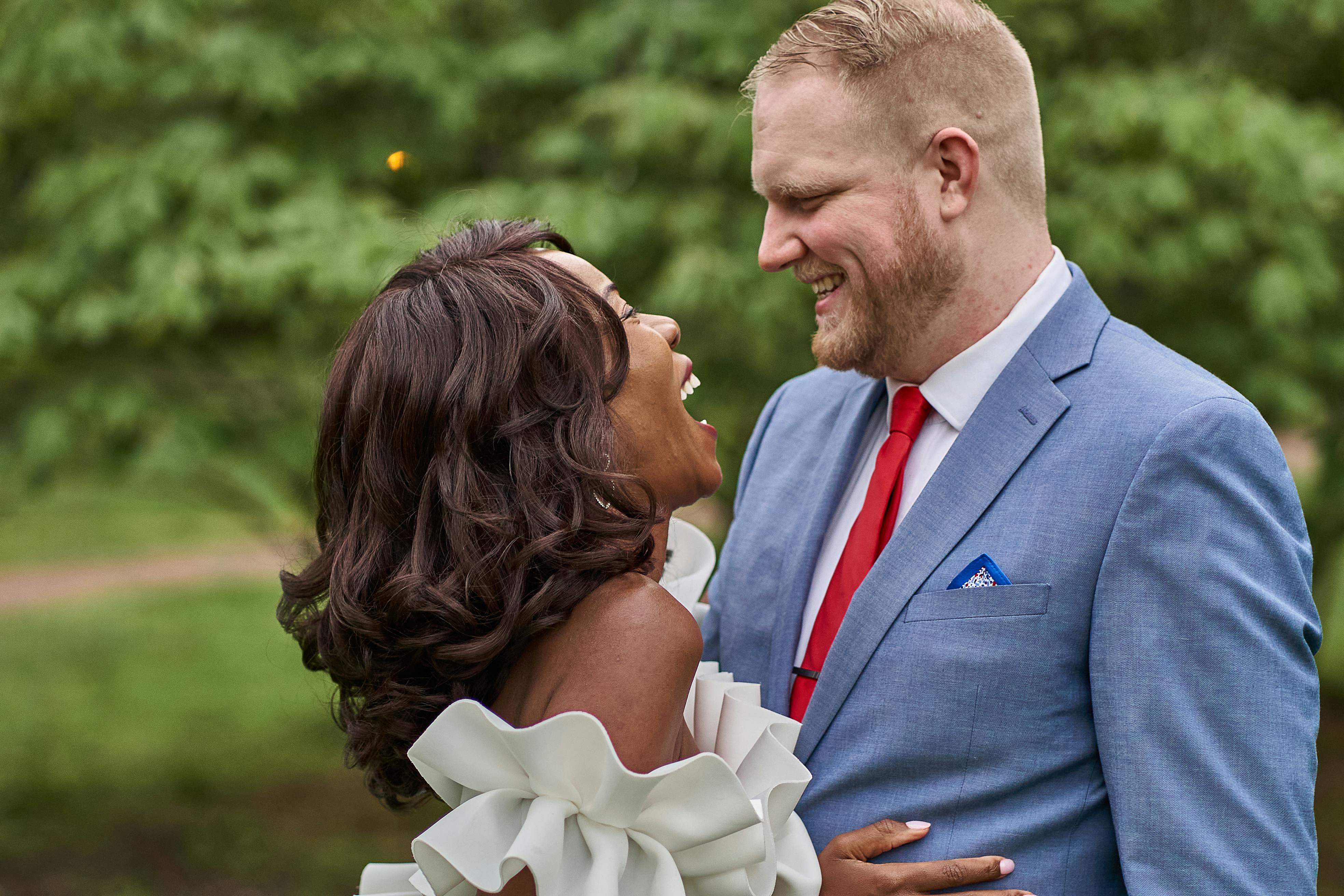
The creative execution — unscripted interviews, personal footage, real couples instead of actors — reflects broader shifts in advertising, particularly for Gen Z audiences. According to Hinge's Chief Marketing and Culture Officer Tamika Young, users in this demographic demand brand authenticity and reject polished, idealised messaging. If that's accurate, the campaign could function as a conversion tool: fatigued users see their own experience reflected and decide Hinge understands them better than alternatives.
The couples featured all succeeded. Their exhaustion has a resolution. The campaign doesn't showcase the user who swiped for six months, went on disappointing dates, and deleted the app without meeting anyone.
The production details — multiple platforms, cinema and streaming distribution, social media optimisation — suggest Hinge is investing significantly in this tonal shift. That level of commitment indicates the company believes validation-driven marketing will resonate more than aspiration-driven alternatives. Whether that's because internal data shows fatigue as a primary churn driver, or because the brand simply sees an opening competitors haven't exploited, isn't yet clear.

What happens when 'exhausting' becomes the baseline?
If Hinge's bet pays off, expect competitors to follow. Bumble and Tinder could pivot toward similar messaging, acknowledging user struggle whilst promising their platform handles it better. That would accelerate a broader industry shift from selling fantasy to selling empathy — a significant recalibration for a sector that historically traded in optimism and possibility.
The alternative is that foregrounding exhaustion backfires. Users already tired of swiping might interpret the campaign as confirmation that app-based dating is fundamentally draining, regardless of which platform they choose. In that scenario, Hinge hasn't differentiated itself — it's reminded potential subscribers why they're sceptical of the entire category.
Worth watching: whether this messaging correlates with shifts in Hinge's retention metrics or subscriber growth in the next two quarters. Match Group doesn't break out Hinge-specific financials in earnings reports, but any commentary from executives about brand perception or user sentiment could signal whether the campaign is landing as intended. If the company starts discussing 'validation-driven acquisition' or 'emotional resonance' in investor calls, you'll know this campaign is considered a success internally.
The broader implication is that dating apps may be entering a post-optimism phase. If Hinge can successfully market on the premise that dating in 2026 is not for the faint-hearted, the industry has acknowledged what members have been saying for years. That's either overdue honesty or a worrying admission that the product experience hasn't kept pace with user expectations. Quite possibly both.
Key Takeaways
- •Dating app operators must evaluate whether marketing that validates user burnout drives subscriber retention or reinforces negative sentiment towards the online dating sector.
- •Match Group investors should monitor upcoming quarterly earnings reports for signals on whether validation-driven acquisition messaging improves Hinge's user acquisition metrics and reduces churn.
- •Rival platforms such as Bumble and Tinder may shift from aspirational marketing to empathy-driven messaging if Hinge demonstrates that Gen Z users reward brand honesty with platform loyalty.
Frequently Asked Questions
Community Desk
The DII Community Desk covers people, leadership moves, events and community developments across the dating industry.
Comments
Join the discussion
Industry professionals share insights, challenge assumptions, and connect with peers. Sign in to add your voice.
Your comment is reviewed before publishing. No spam, no self-promotion.