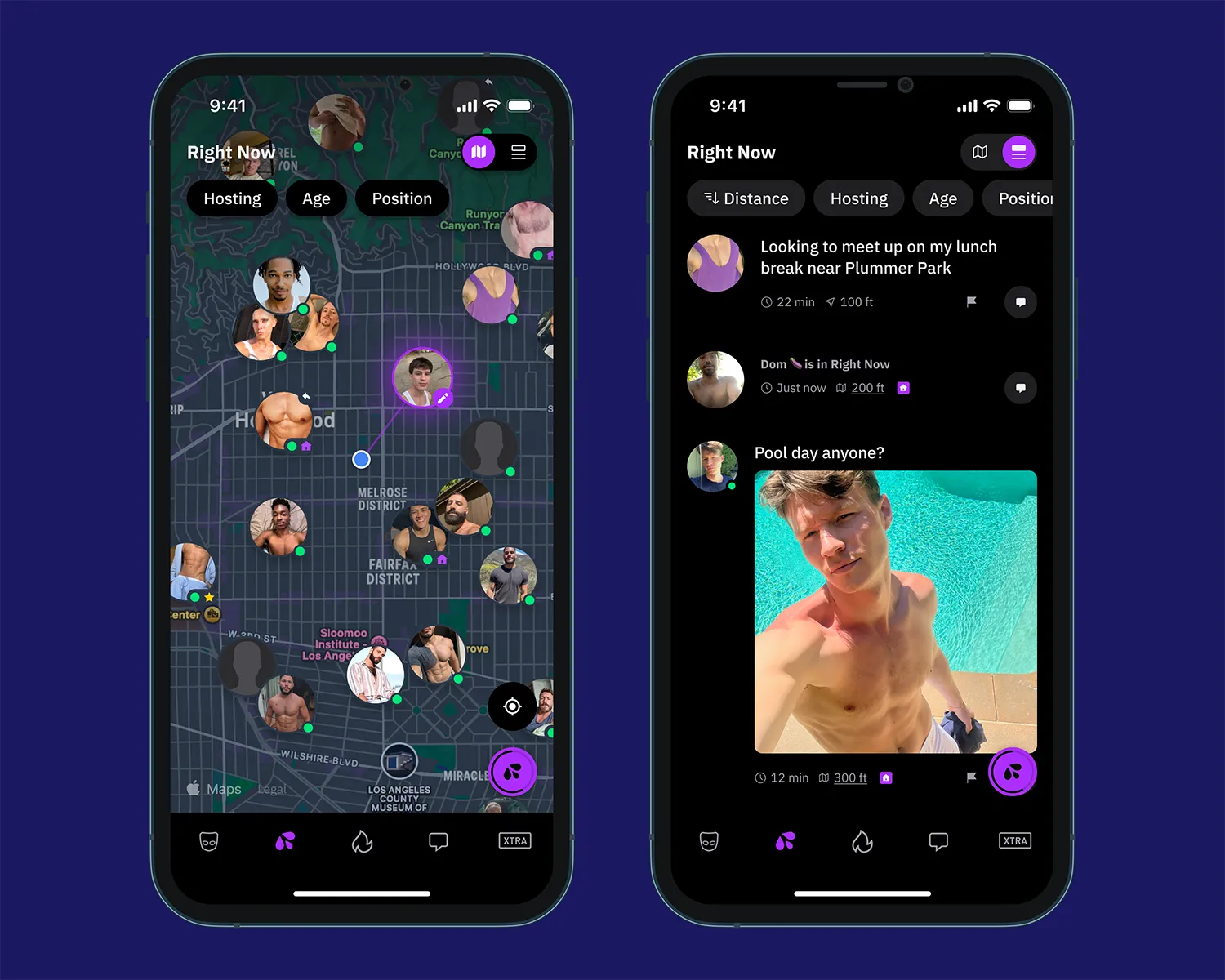
Feeld's Celibacy Tag: A Masterclass in Reactive Product Strategy
Key Points
- •Feeld launched a celibacy profile tag within five days of Bumble launching a controversial advertising campaign mocking celibacy in mid-February 2024.
- •Feeld won a Webby Award in the Diversity, Equity and Inclusion category for its rapid release of the celibacy profile tag.
- •Bumble pulled its advertising campaign, issued apologies, and experienced a market capitalisation decline from 2.8 billion dollars to below 1.5 billion dollars in 2024.
- •Bumble operates with 4 million paying subscribers, whereas the smaller competitor Feeld operates at a fraction of Bumble's paying subscriber base.
When Bumble launched billboards telling people to abandon their 'vow of celibacy', Feeld didn't issue a press release. It shipped code. Within five days, the smaller dating platform had launched a celibacy profile tag, transformed a competitor's brand crisis into product differentiation, and set a template for how niche operators can compete without venture capital war chests.
The Webby Award that followed last month wasn't just recognition of fast execution. It was validation that reactive product development—monitoring competitors for missteps, validating demand, and shipping counter-narrative features whilst controversy burns—now constitutes a legitimate marketing discipline. For investors tracking MTCH and BMBL, that matters.

What actually happened
Bumble's 'Find Them on Bumble' campaign launched in mid-February with messaging that mocked several relationship choices, including the line 'You know full well a vow of celibacy is not the answer'. The backlash was immediate and sustained. According to Feeld's own account, the company's leadership identified the controversy, consulted existing community sentiment around celibacy and intentional abstinence, and shipped the new profile tag within five days.
Create a free account
Unlock unlimited access and get the weekly briefing delivered to your inbox.
The celibacy tag joined Feeld's existing constellation of identity descriptors, which already included designations for relationship structures, sexual practices, and experience levels. Members selecting the tag could signal their interest in connection without sexual activity, a positioning consistent with Feeld's broader claim to support 'all desires' rather than optimising for conversion to physical intimacy.
Bumble, meanwhile, pulled the campaign, issued multiple apologies, and committed to a 'complete overhaul' of its creative approach. CEO Lidiane Jones acknowledged the ads 'missed the mark' and pledged brand guidelines that would prevent similar misjudgements. The damage was done. Feeld had created an on-ramp for precisely the users Bumble had alienated.
Strategic context versus stated values
Feeld's public framing emphasises listening, inclusivity, and community responsiveness. The company's CEO Ana Kirova described the celibacy tag as part of supporting 'all stages of everyone's desire journey', positioning the feature as ideologically consistent rather than opportunistic.
That framing holds water only to a point. Feeld has built its market position on being the anti-Tinder—sex-positive without being reductive, inclusive without being performative, values-driven without being puritanical. For this audience, adding a celibacy tag isn't controversial. It's table stakes.
What made this particular launch strategically valuable wasn't the feature itself but the timing and the implicit comparison it invited.
The Webby judges clearly saw it that way. Awards in the Diversity, Equity & Inclusion category aren't typically given for product features in isolation. They reward visible action that advances representation or challenges exclusionary norms. By launching the celibacy tag against the backdrop of Bumble's ridicule, Feeld transformed a routine product update into a market statement: we respect what they mock.

That's brand positioning, not product strategy. The feature would likely have shipped eventually regardless of Bumble's campaign. What the controversy provided was narrative leverage and a shortened timeline.
What this means for competitive dynamics
Feeld isn't competing for Bumble's core users. The platforms target different relationship models, with Feeld focused on non-monogamy, kink exploration, and what it terms 'curious dating'. Bumble's audience skews mainstream, monogamous, and relationship-forward. Direct substitution is minimal.
The competitive value of the celibacy tag isn't conversion—it's positioning. Feeld reinforced its claim to the market segment that values intentionality and identity precision over swiping efficiency. That positioning becomes valuable as Match Group (MTCH) and Bumble face continued scrutiny over user experience, authenticity, and whether scaled dating platforms can credibly serve diverse relationship models.
For investors tracking BMBL, the celibacy episode was one datapoint in a difficult 2024 that included stagnant user growth, declining engagement metrics, and continued brand identity questions.
The company's market cap fell from $2.8B at the start of the year to below $1.5B by December, according to figures from Bloomberg. Feeld's Webby won't move that number, but it illustrates the broader challenge: when your brand positioning is unclear, smaller competitors can define you through contrast.
The reactive product playbook
The award legitimises a specific competitive approach that matters for operators without MTCH-level product budgets: monitor competitors for tone-deaf positioning, validate demand within your existing base, and ship a counter-narrative feature whilst the controversy is still active. Total elapsed time, according to Feeld: five days from campaign controversy to feature launch.

That cadence requires either excellent product infrastructure or a willingness to ship without the validation cycles standard at larger platforms. Feeld's relatively small user base—the company doesn't disclose membership figures but operates at a fraction of Bumble's 4M paying subscribers—makes rapid iteration structurally easier. The question for other niche operators is whether that advantage persists as they scale, or whether reactive product development becomes riskier as the user base grows and mistakes become more costly.
What the Webby validates is the commercial value of ideological consistency when competitors fumble. Bumble created an opening. Feeld exploited it with a feature that cost little to build, aligned with existing brand values, and generated industry recognition disproportionate to its technical complexity.
Whether that represents the future of dating product strategy or a one-off opportunistic win depends on how often major platforms hand smaller competitors such obvious openings. Based on 2024's missteps across MTCH and BMBL alike, the answer appears to be: often enough to make reactive product development worth the investment.
Key Takeaways
- •For niche dating app operators, reactive product development offers a cost-effective method to counter larger competitors like Match Group and Bumble by exploiting tone-deaf marketing campaigns.
- •Investors should note that smaller platforms can leverage ideological consistency to erode the brand positioning of scaled operators without competing directly for mainstream user acquisition.
- •As dating app operators scale, maintaining the infrastructure required for five-day feature launches becomes increasingly complex without risking product quality.
Frequently Asked Questions
Technology & AI Desk
The DII Technology Desk reports on product, engineering, AI and platform infrastructure across dating and social discovery apps.
Comments
Join the discussion
Industry professionals share insights, challenge assumptions, and connect with peers. Sign in to add your voice.
Your comment is reviewed before publishing. No spam, no self-promotion.