

World Cup Swipes: Tinder's Missed Opportunity for Event-Driven Growth
Reviewed and updated:
Key Points
- •Tinder reported a 47% surge in international user activity across host cities during the World Cup compared to the same period in 2025.
- •Individual match days triggered localised spikes, including an 81% surge in Tinder activity in Monterrey during the Sweden-Tunisia fixture.
- •Across the United States market, Tinder recorded a 15% overall user increase, a 25% rise in swipes, and a 60% jump in matches.
- •International Tinder users from Great Britain, Brazil, Thailand, and Nigeria ranked highest for using Passport Mode to swipe into United States locations before arrival.
The FIFA World Cup appears to have created an unintentional secondary competition: which travelling fans are most aggressively swiping their way through host cities. Tinder has disclosed data showing a 47% surge in international user activity across host cities, with certain match days triggering spikes above 80% in specific markets. The figures reveal not just elevated usage, but strategic behaviour that suggests fans are treating major sporting events as structured opportunities for cross-border dating.
Peak activity aligned precisely with high-profile fixtures. Monterrey registered an 81% increase around the Sweden-Tunisia match. Guadalajara saw a 74% spike during Korea Republic versus Czechia. Boston recorded a 47% rise during Iraq-Norway. The correlation between match schedules and engagement patterns is tight enough to warrant attention from product teams thinking about event-driven feature sets.
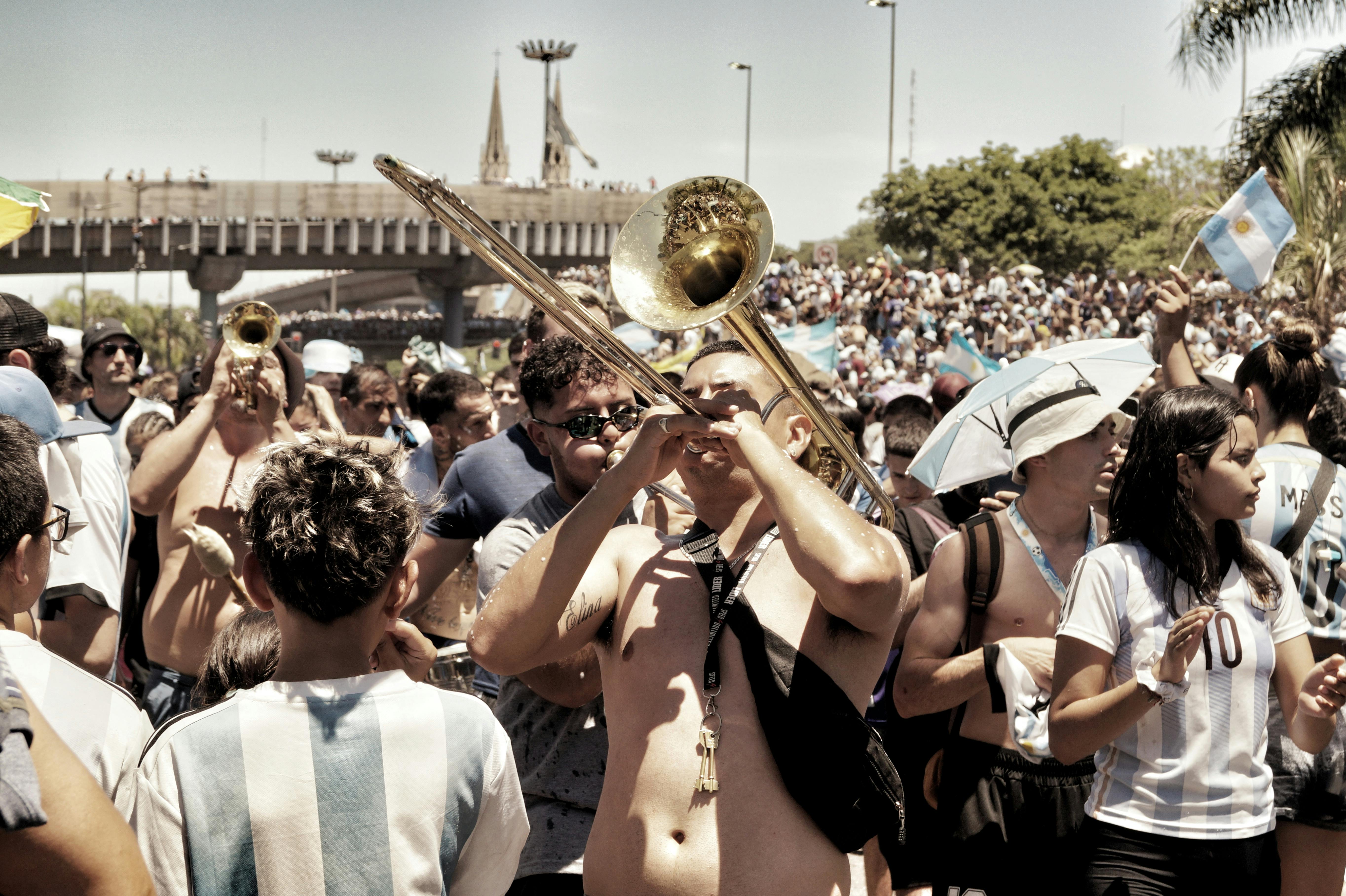
If a World Cup match in Guadalajara can drive a 74% same-day spike, imagine what purpose-built event features could deliver during the Olympics, Glastonbury, or Art Basel.
Pre-arrival swiping reveals calculated behaviour
Passport Mode data offers the clearest signal that this isn't spontaneous tourism froth. According to Tinder's figures, international users from Great Britain, Brazil, Thailand, and Nigeria ranked highest for swiping into US locations before arrival. The top destination cities were New York/New Jersey, Los Angeles, and Miami — precisely the metros with the highest concentrations of World Cup fixtures and international flight connectivity.
Create a free account
Unlock unlimited access and get the weekly briefing delivered to your inbox.
This pattern indicates intentional pre-trip matchmaking, not opportunistic in-stadium flirting. Users are effectively front-running their travel, building match pipelines days or weeks before they land. That's sophisticated consumer behaviour, and it's happening without any platform-native tooling to support it. No event-based discovery feeds. No fixture-linked icebreakers. No "visiting for the Sweden match — drinks after?" prompt cards.
The US market showed compound effects. Tinder reported a 15% increase in overall users, 25% higher swipe activity, and a 60% jump in matches nationwide. Domestic users contributed a 22% activity increase, suggesting American singles were either matching with inbound travellers or simply benefiting from the expanded pool. The match rate outpacing swipe growth by more than double implies elevated reciprocity — travellers and locals were both swiping right more liberally, whether due to novelty, time constraints, or the proximity-driven serendipity of being in the same city for a defined window.
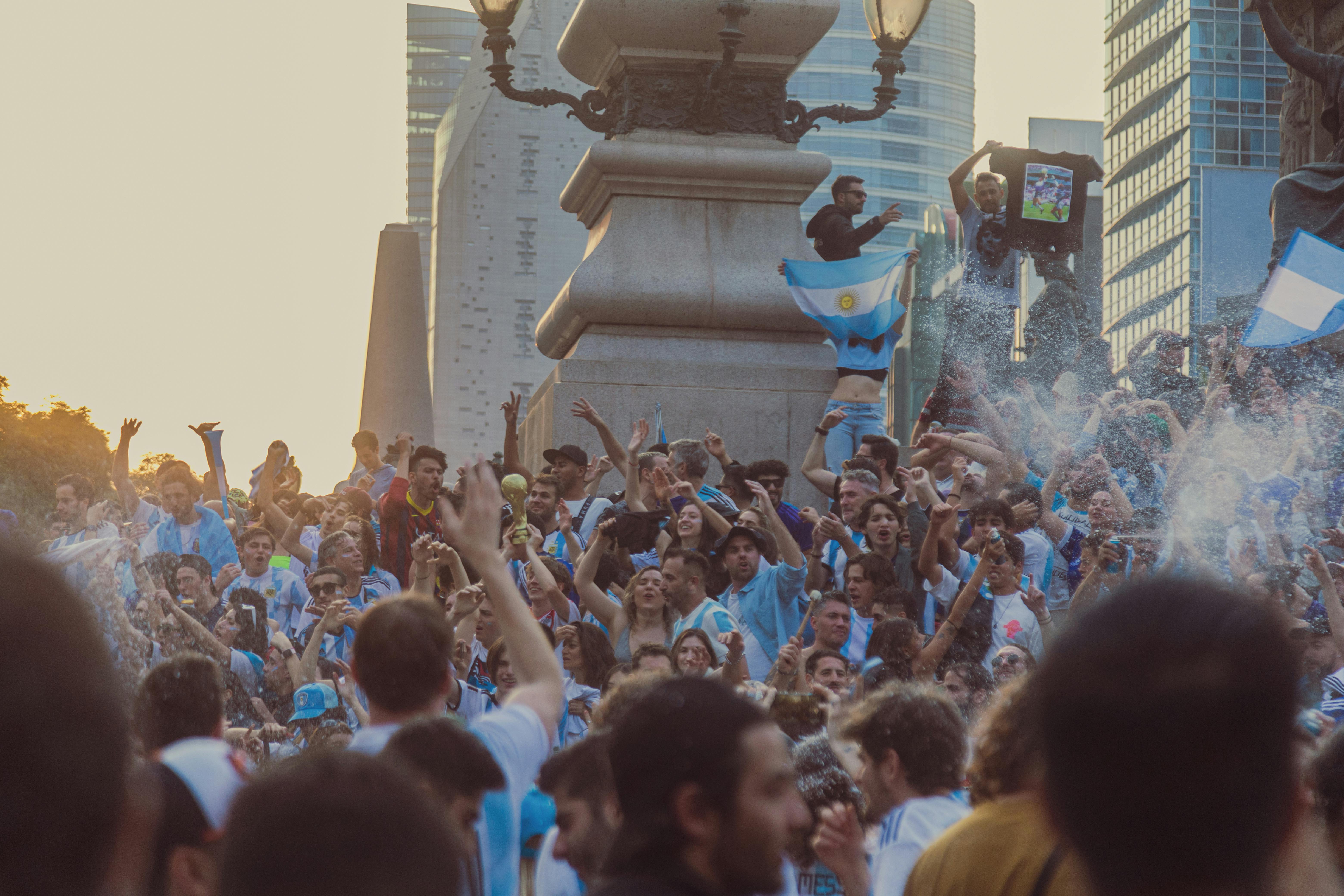
The case for event-specific product strategy
The temporary nature of these spikes presents a strategic question that dating operators have largely ignored: should platforms build recurring playbooks around predictable global events, or treat each surge as transient luck? The World Cup, the Olympics, major music festivals, and even recurring conferences like SXSW or Web Summit follow known schedules. Operators could feasibly deploy event-themed modes, curated discovery feeds, or co-marketing partnerships months in advance.
Bumble (BMBL) experimented with Olympics-related features during Paris 2024, though the company hasn't disclosed comparable usage data. Grindr (GRND) has historically seen spikes around Pride events in major cities, but again, public data is thin. Match Group (MTCH) — Tinder's parent — has the infrastructure and user scale to test event-specific product repeatedly, yet hasn't articulated a formal strategy in earnings calls or investor presentations. The missed opportunity is particularly glaring given MTCH's ongoing focus on reaccelerating Tinder growth in developed markets, where novel use cases and reactivation hooks are increasingly scarce.
The strategic Passport Mode usage from GB, Brazil, Thailand, and Nigeria suggests users already understand this; the platforms just haven't caught up with product to match the behaviour.
The risk is that these surges dissipate entirely post-event, leaving no durable engagement lift. Tinder's data covers only the tournament window; the company hasn't shared what happens to matches made during the World Cup once fans return home. Do conversations continue across borders? Do international matches convert to subscriber revenue via features like video chat or travel mode? Or do they simply evaporate, contributing nothing to long-term retention or monetisation?
What Qatar 2022 and Euro 2024 might tell us
Comparative data from previous tournaments would clarify whether this phenomenon scales or whether 2026's figures are inflated by the US hosting for the first time in three decades. Qatar 2022 took place in a single, small, tightly controlled market with limited tourist infrastructure and cultural norms that constrain casual dating behaviour. Euro 2024 spread across Germany, a mature European market with high dating app penetration, but lacked the transcontinental travel dynamic that defines a World Cup in North America.

Neither Tinder nor Match Group disclosed similar usage spikes publicly after those events, which suggests either the data wasn't compelling or the company didn't prioritise the narrative. The latter seems more likely. MTCH has spent the past 18 months focused on product velocity, AI-driven recommendations, and trust and safety — not event marketing. But if the World Cup data holds through the knockout stages and across all three host countries, it becomes harder to dismiss as a one-off.
The unanswered question is whether dating platforms will treat this as a data point or a blueprint. Tinder attributes the increases to 'fans from various nations creating more opportunities for social interaction', which is accurate but passive. The platform didn't create these opportunities; the tournament did. The challenge for operators is whether they can productise that dynamic — turning predictable global gatherings into recurring growth levers rather than watching engagement spike and recede on someone else's event calendar.
Key Takeaways
- •Dating app operators risk leaving monetisation opportunities untapped by failing to build dedicated, event-specific features for predictable international gatherings like the World Cup.
- •Match Group investors should watch whether the platform develops native tools like event-based discovery feeds to turn temporary event traffic spikes into durable long-term retention.
Frequently Asked Questions
Data & Analytics Desk
The DII Data Team maintains the publication's trackers, market data and analytical reference hubs for the online dating industry.
Comments
Join the discussion
Industry professionals share insights, challenge assumptions, and connect with peers. Sign in to add your voice.
Your comment is reviewed before publishing. No spam, no self-promotion.


