Howdy's Rural Surge: A Signal for Match Group and Bumble?
Reviewed and updated:
Key Points
- •Rural dating app Howdy recorded 1,800 downloads in New Zealand within weeks of launch, adding to an Australian user base that grew from 14,000 to over 30,000.
- •Australian founder Mia Ryan built Howdy using a scroll interface and lifestyle filters to replace traditional swipe mechanics used by Tinder, Hinge, and Bumble.
- •Howdy generated over 1.9 million social media impressions during its New Zealand launch through a marketing partnership with membership organisation NZ Young Farmers.
Rural dating app Howdy has clocked 1,800 downloads in New Zealand within weeks of launch, according to coverage in the NZ Herald. The figures mirror the platform's Australian trajectory, where it went from 14,000 users at launch to over 30,000 today—a growth pattern that suggests founder Mia Ryan has found something mainstream platforms are missing. What's notable isn't just the download numbers—it's that these users are actively choosing to leave apps they already have installed.
Ryan, a 24-year-old Australian farmer who built Howdy whilst at university, reports that many members had tried Tinder, Hinge, or Bumble before switching to a platform that reflects their lifestyle rather than fighting against it. When a niche app can pull users away from the oligopoly, that's not just churn—it's a signal.
This is product-market fit in real time, and it should unsettle Match Group and Bumble more than the raw numbers suggest. Howdy's early traction validates what operators have been whispering for two years: meaningful segments of the dating market would rather abandon the entire swipe model than endure another algorithmic mismatch. The rural demographic might be the canary here, but the underlying issue—platform fatigue from one-size-fits-all mechanics—applies far beyond farmland.
Create a free account
Unlock unlimited access and get the weekly briefing delivered to your inbox.
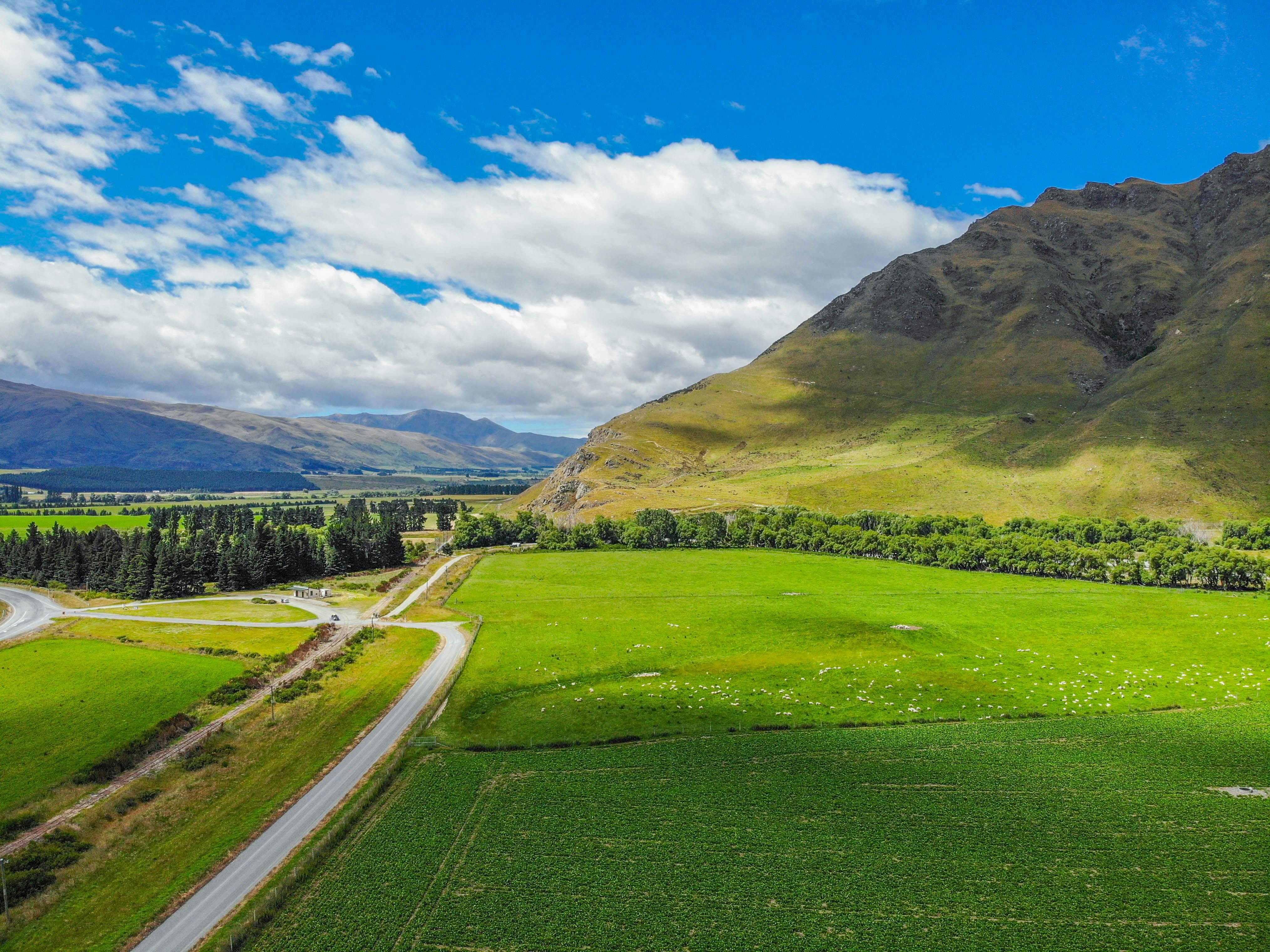
Why the scroll beats the swipe for this cohort
Howdy's interface ditches the swipe entirely. Members scroll through profiles, set location radii that stretch from hyperlocal to regional, and filter for shared lifestyle markers that matter in rural contexts—distance to town, land ownership, weekend routines. Ryan has positioned this as deliberate rejection of gamified dating mechanics, and the product design backs it up.
The partnership with NZ Young Farmers provided distribution that legacy apps can't replicate. Chief Executive Cheyne Gillooly disclosed that the launch campaign generated over 1.9 million social media impressions, and Howdy featured prominently at Fieldays, one of the Southern Hemisphere's largest agricultural expos. That's an IRL-to-digital pipeline: meet the brand at a trade show, download it that evening, match with someone from three towns over who was also there.
For rural singles, mainstream apps are built for urban density—fast turnover, wide choice sets, optimised for volume. When your nearest town has 3,000 people and the next date-worthy option is a 90-minute drive, you need a different model.
Gillooly framed Howdy as 'combining modern technology with traditional rural social activities like balls and club gatherings'. That's marketing speak, but it points to something genuine. Howdy's growth suggests there's demand for platforms that treat geographic isolation as a feature to design around, not a bug to ignore.
The broader niche-vs-mainstream question
Howdy joins a growing list of category-specific dating apps that are pulling users from the big platforms: Hitch for equestrians, Bristlr for bearded men and the people who love them, Gutsy for those with chronic illness. Most remain small. What makes Howdy worth watching is the velocity—14,000 to 30,000 in Australia represents sustained growth, not a launch spike.

Match Group has responded to this trend by acquiring or launching niche products, but those sit within the same swipe architecture. Bumble has doubled down on its differentiation around women-first messaging but hasn't segmented by lifestyle. Hinge's 'designed to be deleted' positioning appeals to intent, not identity. None of them are showing up at agricultural expos.
The risk for the majors isn't that every niche app will scale to millions of users. It's that death by a thousand cuts becomes structurally embedded—that 30,000 rural Australians here, 15,000 equestrians there, all deciding the mainstream product wasn't built for them.
The total addressable market fragments, and suddenly Match Group's argument that scale equals better matches starts to look thin.
What rural adoption patterns tell us about product design
According to Ryan, Howdy users are 'seeking long-term, meaningful connections'—language every dating app claims to facilitate but few actually design for. The scroll interface slows down evaluation. The geographic filters acknowledge that 'nearby' means something different in Taranaki than it does in Auckland. The lifestyle matching assumes that someone who understands why you need to be up at 5am for lambing season is a better fit than someone with a higher algorithmic compatibility score but no concept of rural rhythm.

This isn't just about farmers. It's about whether dating platforms can serve members whose lives don't fit the default urban, high-density, swipe-through-fifty-profiles-on-the-commute model. Bumble has introduced interest badges and profile prompts. Hinge added voice memos and video. Both are iterating within the existing structure. Howdy suggests the structure itself might be the problem for certain segments.
The Australian-to-New-Zealand expansion also demonstrates a replicable playbook. Partner with the relevant membership organisation, show up at the events they attend, frame the product as for them rather than also available to them. It's community-led distribution, and it's working.
The question for the rest of the market is whether this approach scales beyond rural users—and whether the majors can credibly pivot to serve microsegments without cannibalising their core product. Howdy's growth suggests that for an increasing number of singles, the answer to 'why not just use Tinder' is becoming 'because something better exists'. That's the trend line operators should be tracking, not just the download count.
Key Takeaways
- •Niche lifestyle platforms pose a structural threat to Match Group and Bumble by capturing specialized user cohorts outside major metropolitan cities.
- •Dating app operators can replicate Howdy's growth by forming offline marketing partnerships with established regional membership organisations.
- •Dating app product teams must evaluate whether alternative scroll interfaces reduce user fatigue compared to traditional swipe models.
Frequently Asked Questions
Data & Analytics Desk
The DII Data Team maintains the publication's trackers, market data and analytical reference hubs for the online dating industry.
Comments
Join the discussion
Industry professionals share insights, challenge assumptions, and connect with peers. Sign in to add your voice.
Your comment is reviewed before publishing. No spam, no self-promotion.