QuackQuack's Survey Exposes Dating Apps' Visual Bias Dilemma
Key Points
- •A QuackQuack survey of 9,000 users revealed that 33 per cent of respondents believe physical appearance plays a crucial role in dating decisions.
- •Among QuackQuack users aged 18 to 30 years old, 37 per cent prioritised physical appearance for first impressions on dating applications.
- •Three in five women over 30 years old surveyed by QuackQuack cited cultural pressure to choose attractive partners over talented ones.
- •Twenty-nine per cent of QuackQuack survey respondents viewed attractiveness as subjective, rejecting objective physical appearance standards in online dating.
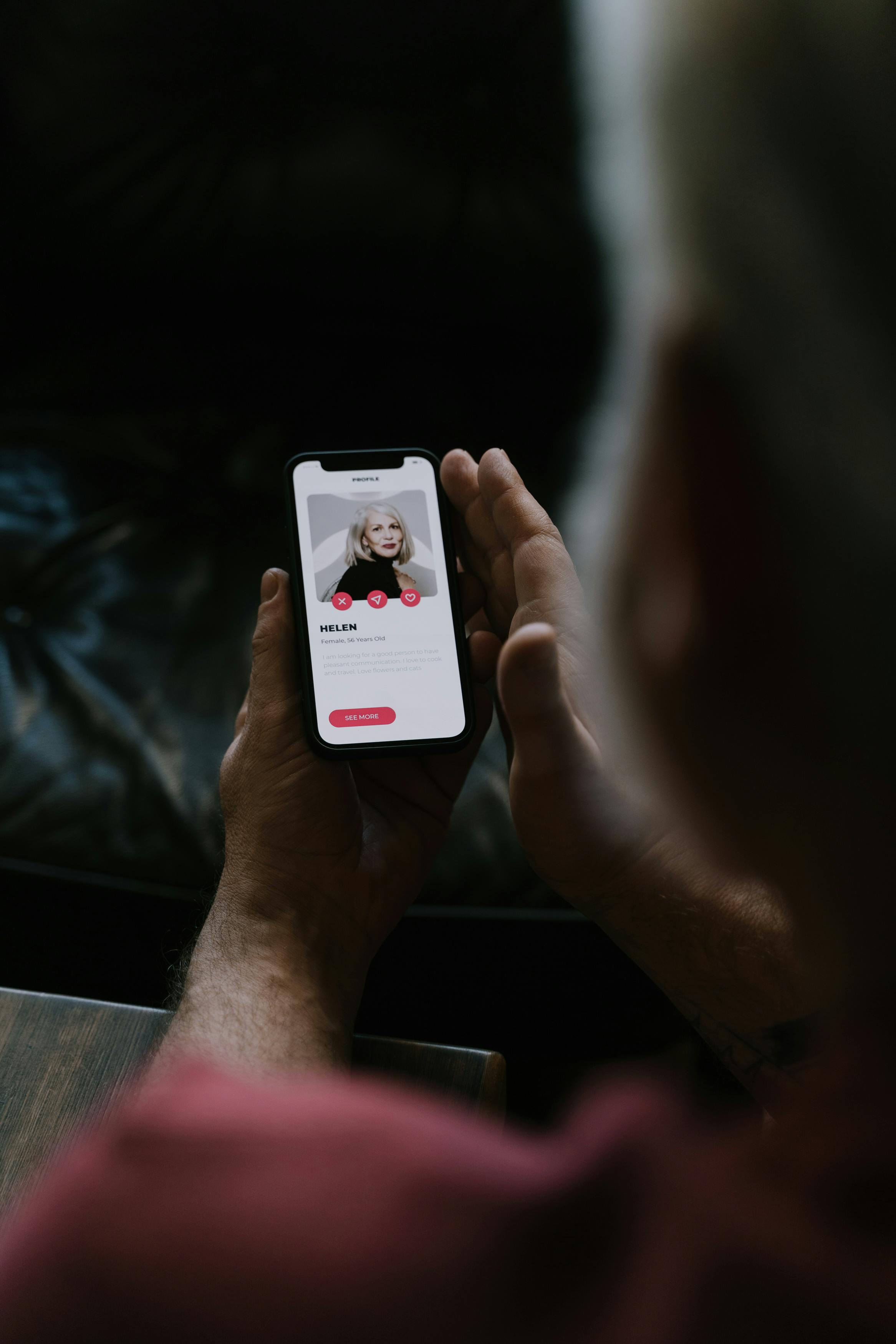
The latest user research from Indian dating platform QuackQuack confirms what most operators already know but few want to admit: their products are structurally biased towards physical appearance, and no amount of mission statement language about 'meaningful connections' will change that. QuackQuack's findings reveal the fundamental tension at the heart of modern dating products—apps position themselves as facilitators of genuine compatibility whilst their interfaces remain almost universally photo-first. That's not a bug in dating apps' design philosophy—it's the operating system.

This isn't a story about shallow users. It's a story about product design dictating behaviour. Every swipe-based interface puts appearance front and centre, then asks users to somehow look past it.
QuackQuack's CEO claims the app 'constantly urges' users to move beyond surface-level judgements, but that statement needs evidence. What specific product features achieve this when the core interaction model is: see photo, swipe left or right, read profile only if there's a match?
Operators can't design for appearance-first selection and then act surprised when users prioritise appearance.
Create a free account
Unlock unlimited access and get the weekly briefing delivered to your inbox.
When cultural pressure meets interface design
The gender dimension in QuackQuack's data deserves closer examination. According to the survey, three in five women over 30 cited cultural pressure to choose attractive partners over talented ones—a finding that suggests appearance priorities aren't purely personal preference but externally imposed expectations. That distinction matters for product teams trying to understand whether their interfaces are amplifying existing social pressures or creating new ones.
For dating operators in markets with strong cultural norms around partner selection, this raises an uncomfortable question: are photo-led interfaces merely reflecting local dating preferences, or are they actively reinforcing superficial selection criteria that users might otherwise resist? The data suggests the latter, particularly among younger cohorts who've never known dating without apps. Those 18-30 year olds who overwhelmingly prioritise physical appearance came of age swiping.
The survey methodology warrants scrutiny. QuackQuack's sample of 9,000 users represents roughly 0.03% of its stated 32 million user base. The age ranges cited are inconsistent—the study purportedly covered users aged 20-45, yet findings specifically reference 18-30 year olds. For investors and operators trying to extrapolate broader industry insights, these gaps matter.
The compatibility theatre problem
What makes QuackQuack's findings particularly relevant beyond the Indian market is how they expose the gap between dating apps' positioning and their actual product mechanics. Match Group (MTCH) has spent the past two years emphasising 'intentional dating' and compatibility features across its portfolio. Bumble (BMBL) has built its brand around women-first dynamics and meaningful connections.
Yet all three companies' flagship products remain fundamentally visual-first experiences. Profiles feature photo carousels at the top, with text prompts and compatibility data buried below the fold or accessible only after matching. The business model—keeping users engaged and swiping—structurally conflicts with encouraging slower, more deliberate evaluation of potential partners.
If 37% of Gen Z users openly acknowledge prioritising physical appearance for first impressions, the incentive to misrepresent or enhance photos intensifies. Verification features and AI-powered photo authentication become not just safety tools but core product requirements.
The 29% of QuackQuack users who view attractiveness as subjective offers a counterpoint that the survey's framing may have overlooked. There's a meaningful difference between 'appearance matters in dating decisions' and 'appearance is the primary factor'. If nearly a third of respondents reject objective appearance standards, it suggests the 33% headline figure may conflate acknowledgement that looks matter with an admission that looks dominate decision-making.
What operators can actually do about it
Dating apps face a genuine design dilemma. Photo-free or photo-secondary interfaces have been tried repeatedly—S'More, Cupcake, Blindlee—and none achieved meaningful scale. Users claim they want deeper connections but behave as if they want visual filtering first.

Some operators are testing middle-ground approaches. Hinge's prompt-based profiles force text responses before photos appear. The League implemented 'video profiles' to provide richer context than static images alone. But these remain features layered onto fundamentally visual-first products, not structural redesigns.
For operators in cultural markets like India where appearance expectations intersect with family involvement in partner selection, the pressure to foreground photos may be even stronger than in Western markets. QuackQuack's data suggests users are responding to both the interface design and broader social expectations simultaneously—a challenge that product tweaks alone won't resolve.
The broader industry implication cuts deeper than one survey from one platform. Every dating operator claims to prioritise compatibility and connection. Their products suggest otherwise. Until someone cracks interface design that genuinely deprioritises visual filtering without sacrificing user engagement—and the unit economics that depend on it—surveys like QuackQuack's will keep confirming the same uncomfortable truth. Research consistently shows that physical attractiveness overwhelmingly dominates dating success in app-based environments, and men and women prioritize these visual traits in nearly identical ways. Dating apps can't solve a design problem they rely on for growth, particularly when appearance-based discrimination continues to evolve in increasingly specific directions.
Key Takeaways
- •Dating app operators like Match Group and Bumble face structural conflicts between promoting intentional compatibility and driving user engagement via photo-first swiping interfaces.
- •Product development teams operating in Indian markets must determine if visual-led dating app interfaces reinforce societal partner selection pressures or reflect pre-existing user preferences.
Frequently Asked Questions
Data & Analytics Desk
The DII Data Team maintains the publication's trackers, market data and analytical reference hubs for the online dating industry.
Comments
Join the discussion
Industry professionals share insights, challenge assumptions, and connect with peers. Sign in to add your voice.
Your comment is reviewed before publishing. No spam, no self-promotion.