
- I'm Lonely, Inc. launched this month with employer-sponsored memberships positioning romantic connection as a workplace wellness benefit
- The platform requires video-only profiles and partners with local venues offering discounts for members booking dates through the app
- The CDC reports social isolation increases mortality risk comparably to smoking 15 cigarettes daily, a statistic the app uses in its marketing
- No dating app has successfully scaled through employer partnerships before, largely because professionals prefer keeping romantic and work lives separate
Employer-sponsored date nights, mandatory profile videos, and a promise to get users 'off the app and into the real world'. That's the pitch from I'm Lonely, Inc., a dating platform that launched this month with partnerships across local businesses in what it calls an effort to combat what the US Centers for Disease Control and Prevention has termed an 'epidemic of loneliness'. The startup joins a crowded field of dating apps claiming to solve swipe fatigue by prioritising in-person meetups, but with a twist that positions romantic connection as a workplace wellness benefit.
Whether this constitutes genuine product differentiation or simply repackages familiar features with wellness-adjacent marketing remains an open question. The company has disclosed neither user numbers nor funding, and its verification methodology appears identical to what Match Group and Bumble have offered for years.
The DII Take
This is the dating industry's latest attempt to distance itself from the very mechanics that make it profitable—addictive scrolling and extended subscription tenures. The employer benefit angle is either clever distribution strategy or a privacy nightmare waiting to happen, depending on how much data employers can access about their staff's romantic lives.
What's most telling is that 'solving loneliness' has become the acceptable reframe for what dating apps have always done: facilitate introductions between strangers. The wellness packaging is new. The product likely isn't.
From swipe fatigue to sponsored venues
The backlash economy against legacy dating apps has produced a predictable pattern. First, founders diagnose 'gamification' and 'endless swiping' as the industry's original sin. Then they launch with features designed to limit engagement—weekly matching windows, mandatory video profiles, caps on daily likes. The pitch positions reduced usage as virtue whilst conveniently ignoring that lower engagement typically correlates with lower conversion and retention.
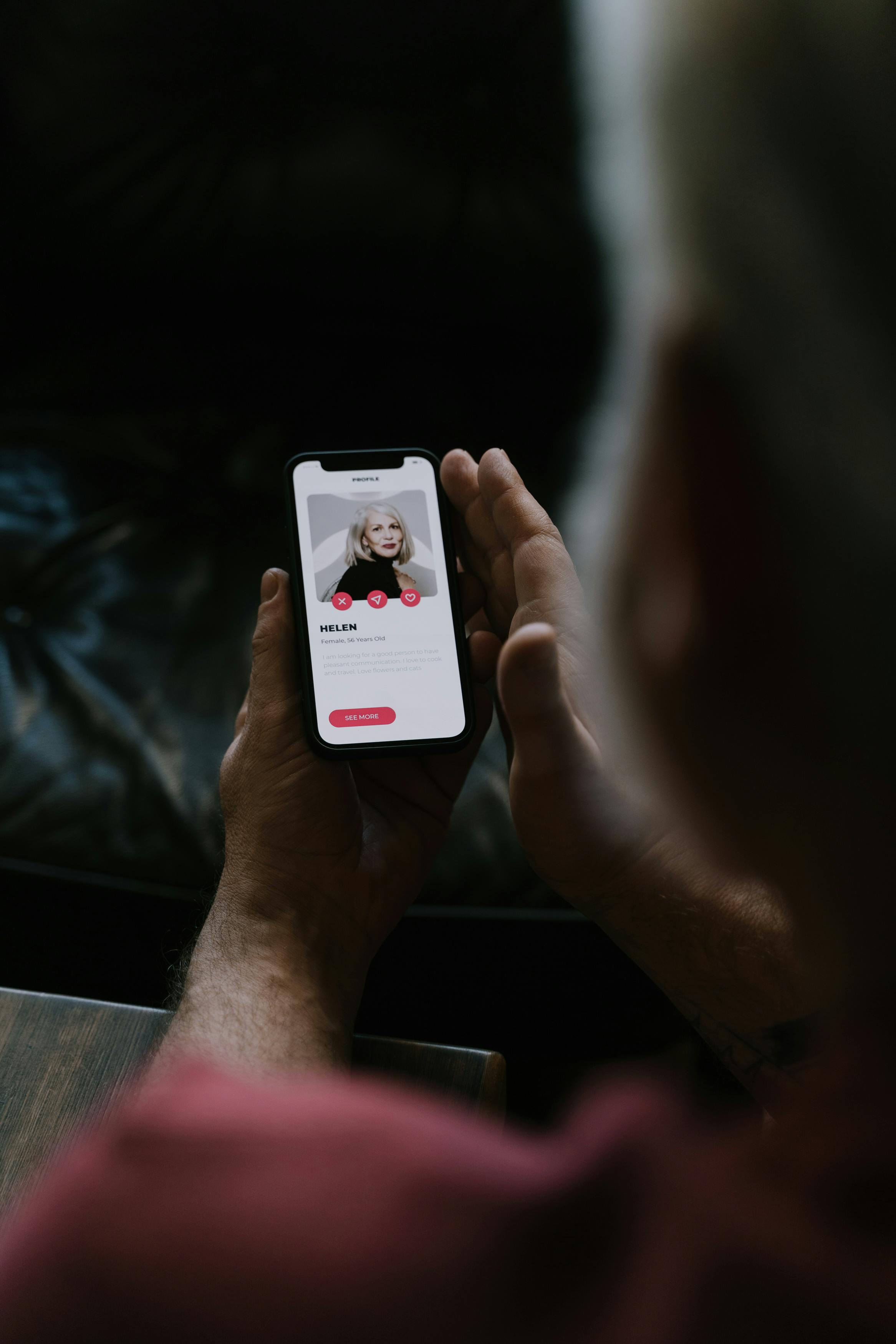
I'm Lonely, Inc. follows this playbook almost exactly. The platform requires video-only profiles, includes what it describes as 'enhanced verification' (details unspecified), and directs matches towards partnered local businesses. Members booking dates at these venues receive discounts, though the company hasn't disclosed whether venues pay for placement or how such commercial relationships might influence which locations the algorithm suggests.
This model isn't entirely without precedent. Filteroff built its entire proposition around video-first speed dating. The League has long offered venue partnerships for member events. What differentiates I'm Lonely, Inc.—at least in its initial positioning—is the explicit framing around loneliness as a public health crisis and the employer subsidy component.
The CDC statistics the company cites in its marketing materials refer to social isolation broadly, not specifically romantic loneliness. According to the agency's data, social isolation increases mortality risk comparably to smoking 15 cigarettes daily. But conflating general social connection with romantic pairing is a significant leap, one that allows dating apps to position themselves as health interventions rather than commercial matchmaking services.
The employer angle: distribution or dystopia?
Corporate wellness programmes have expanded from gym memberships and mental health apps to encompass nearly every dimension of employee wellbeing. I'm Lonely, Inc. is now testing whether companies will add romantic life to that list.
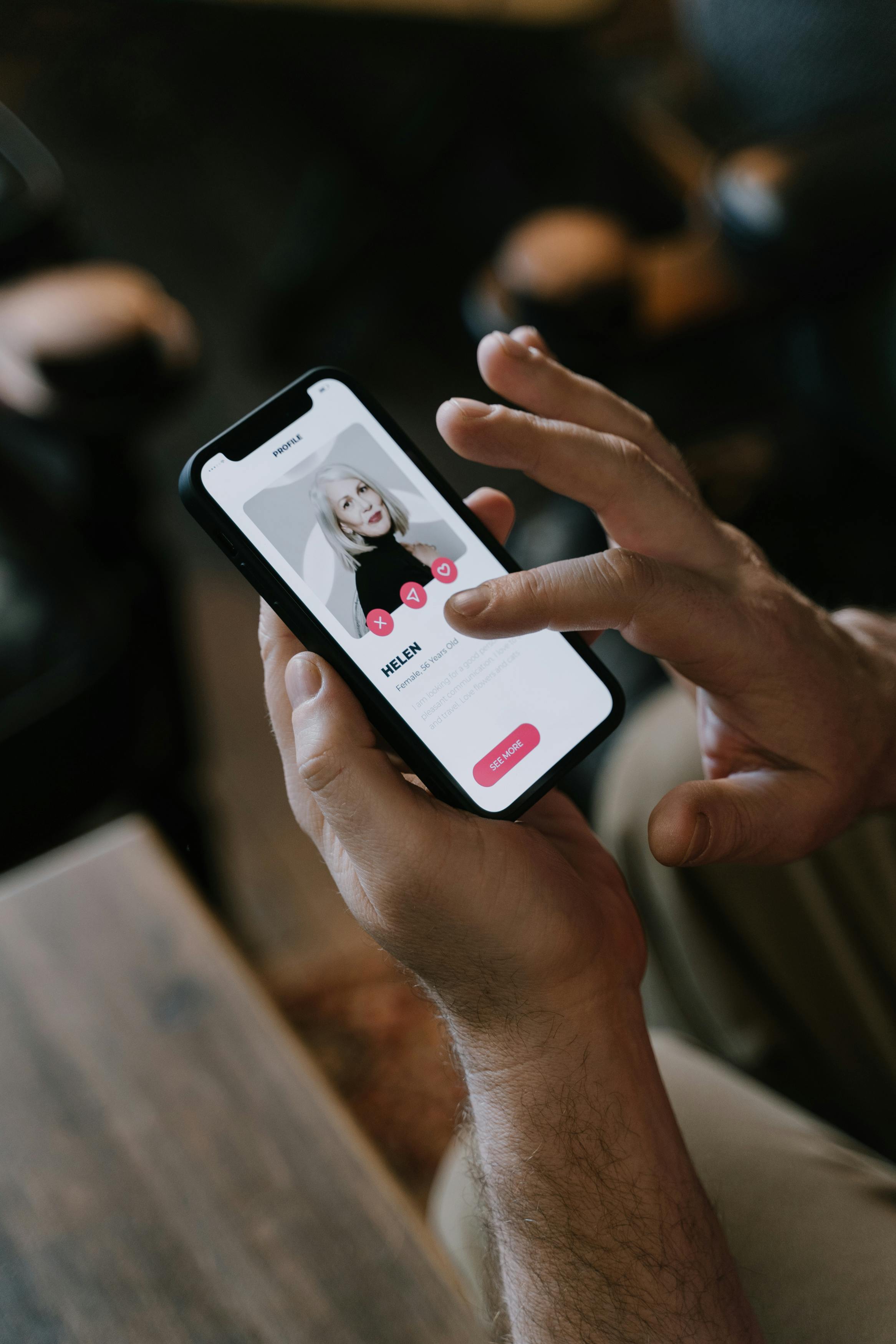
The operational details matter enormously here. If employers simply subsidise memberships without access to usage data, this functions as straightforward B2B distribution—a clever way to acquire users with lower customer acquisition costs than performance marketing delivers. If employers can access aggregated data about employee usage, relationship formation, or engagement patterns, the privacy implications become significantly more complex.
No dating app has successfully scaled through employer partnerships before, largely because most professionals prefer to keep their romantic lives separate from their work identities.
LinkedIn's short-lived dating ambitions failed partly because members rejected the professional-romantic overlap. I'm Lonely, Inc. will need to demonstrate that subsidised access outweighs the psychological friction of using a dating app your employer knows about. The company hasn't disclosed which employers have signed on or what data access, if any, these partnerships entail.
Venue partnerships and the authenticity problem
The small business partnership model presents its own contradictions. If I'm Lonely, Inc. charges venues for preferred placement in date suggestions, the platform has a financial incentive to direct members towards paying partners rather than optimal matches or locations. If venues don't pay—and instead simply offer discounts to members—the value proposition for local businesses becomes unclear.
Dating apps have historically struggled with monetisation beyond subscriptions and à la carte features. Match Group attempted restaurant booking integrations years ago without meaningful traction. Bumble explored similar partnerships. The challenge is that facilitating offline activity generates limited recurring revenue unless the app captures transaction value or charges venues for access to its audience.
What I'm Lonely, Inc. describes as 'community building' may ultimately function as lead generation for hospitality businesses, with members as the product. That's not inherently problematic—it's how most platform economics work—but it sits uneasily alongside messaging about authentic connection and wellness.
What operators should watch
The proliferation of 'anti-swipe' positioning reveals genuine user fatigue with incumbent products, but it hasn't yet produced a breakout challenger. Thursday raised £3M and built a loyal if modest user base. Filteroff pivoted from consumer to B2B. Hinge, despite its 'designed to be deleted' tagline, remains a core revenue driver for Match Group precisely because members don't delete it.
For established operators, the relevant question isn't whether I'm Lonely, Inc. specifically threatens market share—it almost certainly doesn't at current scale. The question is whether the 'get offline faster' positioning eventually resonates strongly enough to shift user expectations across the category. If members begin demanding features that reduce engagement, monetisation models built on extended subscription periods face compression.
The employer partnership approach, if it gains traction, could open an entirely new distribution channel for dating apps willing to position as workplace benefits. But it would require resolving the privacy tensions and cultural resistance that have kept professional and romantic networks separate.
What's clearer is that 'solving loneliness' has become the dating industry's preferred narrative reframe. AI-powered meet-up apps are emerging as a response to growing loneliness, connecting individuals through shared interests and values. Meanwhile, major dating apps are investing heavily in AI to improve matches. Whether that framing converts to downloads, paid subscriptions, or actual relationship formation is the only metric that matters.
- Watch whether 'get offline faster' positioning shifts user expectations enough to compress monetisation models built on extended subscription periods across the category
- The employer partnership model could open new B2B distribution channels if privacy concerns and cultural resistance to mixing professional and romantic identities can be resolved
- The real test is whether wellness framing and anti-swipe features convert to measurable business outcomes—downloads, paid subscriptions, and actual relationship formation—not just marketing differentiation