

Women in Dating Relaunch: A Sign of Progress or Persistent Imbalance?
Key Points
- •Global Dating Insights is relaunching the Women in Dating networking group on 24 September at Lost Rivers Brewery in London.
- •Happn chief executive Karima Ben Abdelmalek will headline the London event alongside panellists from The Meet Group, Flure, and Global Dating Insights.
- •Major dating app operators including Match Group, Bumble, and Grindr are currently led by Bernard Kim, Lidiane Jones, and George Arison.
- •Match Group earnings data indicates women represent the majority of active users on mainstream dating platforms, despite executive teams remaining predominantly male.
The dating industry has a gender problem at the top. Despite serving a predominantly female user base, executive leadership across the sector's major players remains overwhelmingly male. Now, a revived networking initiative is attempting to address the imbalance — if it can avoid the fate of its predecessor, which collapsed in the early 2020s.
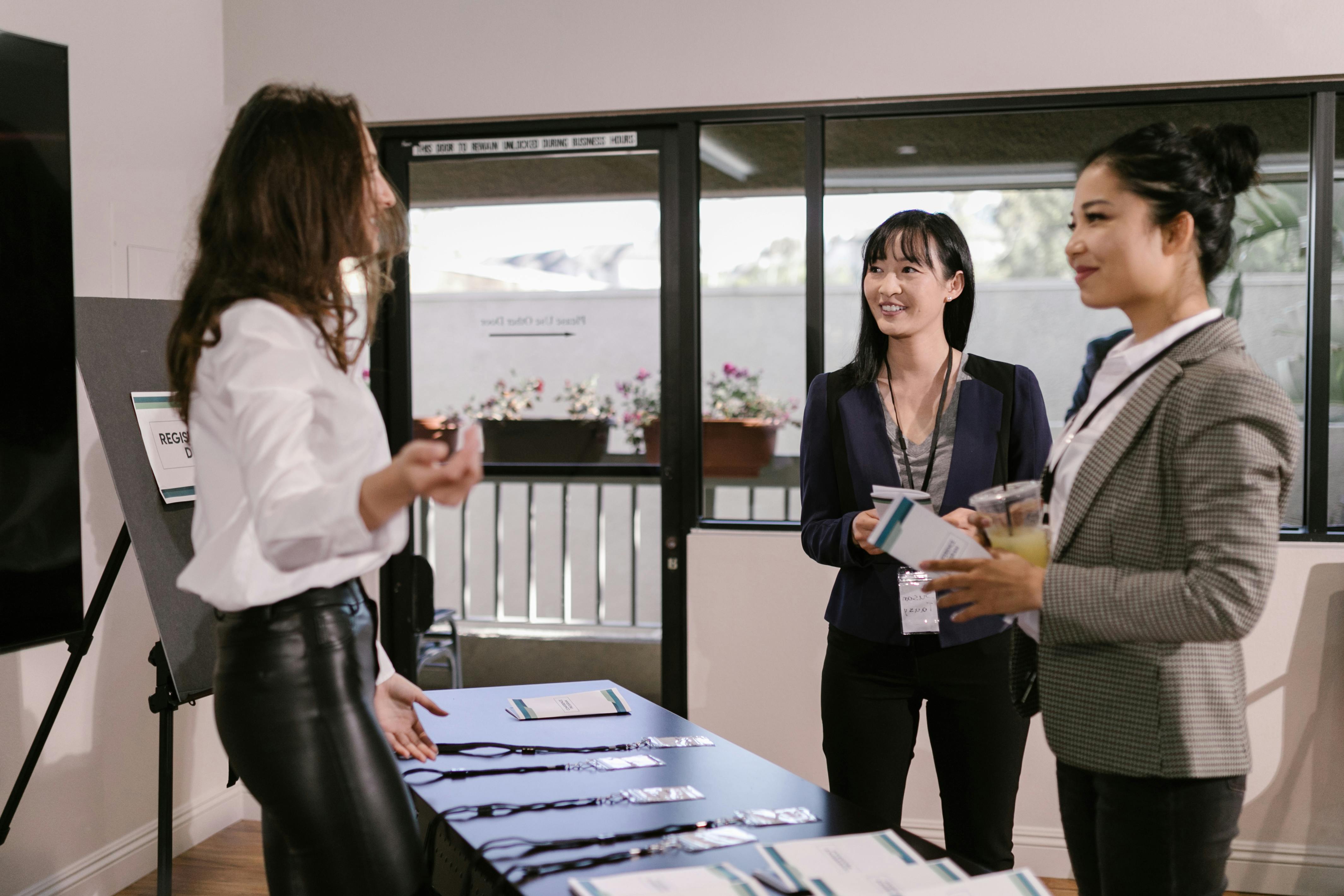
Global Dating Insights is hosting the event on 24 September at London's Lost Rivers Brewery, bringing together female operators, product managers, and executives for what it's billing as the return of Women in Dating — a networking group that previously existed but went dormant. Ben Abdelmalek will speak alongside a panel that includes executives from The Meet Group, Flure, and Global Dating Insights itself. It's free, deliberately informal, and targeted at an audience that apparently still needs its own space separate from the industry's standard conference circuit.

The fact that such an event feels necessary in 2024 reflects a persistent imbalance. Despite serving a user base that skews female on most mainstream platforms, the dating industry remains overwhelmingly male at the top. Match Group (MTCH) is led by Bernard Kim. Bumble (BMBL) replaced founder Whitney Wolfe Herd with Lidiane Jones in January 2024, marking the departure of the industry's highest-profile female CEO. Grindr (GRND) is led by George Arison.
Create a free account
Unlock unlimited access and get the weekly briefing delivered to your inbox.
Tinder, Hinge, and most of Match's portfolio brands are run by men. The venture-backed challenger apps launching monthly? Predominantly male founding teams.
The persistence problem
This isn't the first attempt at organised female networking in dating. The original Women in Dating initiative launched with enthusiasm but failed to sustain momentum, fading from the industry calendar by the early 2020s. According to Global Dating Insights, this September event marks a deliberate relaunch following a 2023 revival attempt, suggesting the group has struggled to maintain continuity even as the underlying need persists.
That pattern — enthusiasm, launch, fade — mirrors what happens to many diversity initiatives in tech more broadly. They survive when backed by consistent institutional support and clear business rationale. They die when treated as feel-good side projects divorced from core operations.
What's changed since the original iteration collapsed? The industry itself has hardened. The venture funding that powered dating app experimentation from 2015 to 2021 has largely evaporated. Match Group's market capitalisation has been cut in half since its 2021 peak.
Bumble's post-IPO valuation collapsed before its recent recovery. The sector is consolidating around incumbents, making it harder for new entrants — and new leaders — to break through. In that environment, informal networks matter more, not less.
Who shapes the product decisions
The gender composition of leadership teams isn't purely a representation issue. It shapes product decisions that affect millions of daily interactions. Dating apps make choices about verification systems, photo moderation, messaging restrictions, harassment reporting, and safety features. They decide whether women can message first, whether profiles show height, whether voice notes are allowed, how aggressively to monetise desperate behaviour.
These aren't neutral technical decisions. They're design choices that encode assumptions about gender, power, and consent into software that mediates modern relationship formation. Having more women in senior product and executive roles doesn't guarantee better outcomes, but it changes which assumptions get challenged during development.
Bumble's founding premise — that women should control initial contact — was a direct response to harassment patterns that female founders experienced personally. It succeeded as product design because it addressed a genuine pain point that male-led competitors had overlooked or deprioritised.
Whether Bumble's current trajectory under new leadership will maintain that focus remains an open question, and one that trust and safety professionals are watching closely.
The commercial logic
Beyond the equity argument, there's a straightforward commercial case for better gender representation in dating industry leadership. Women make up the majority of active users on most mainstream dating platforms, according to data disclosed in Match Group's earnings reports and third-party app intelligence. They're also the more discriminating cohort — they match less frequently, message more selectively, and churn faster when product experience deteriorates.
Retention and engagement among female users directly impacts platform liquidity and, therefore, revenue. If women leave or reduce usage, the entire marketplace degrades. Male users experience worse match rates, engagement drops, and churn accelerates across both genders.
The companies that best understand female user behaviour and design for it accordingly will have a structural advantage in a market where growth has stalled and competition for retained users is intensifying. Yet product development teams and C-suites remain disproportionately male. That disconnect between user base and decision-making authority creates strategic risk, particularly as platforms face mounting pressure over safety, efficacy, and the broader cultural backlash against dating apps.
What to watch
September's event is small — perhaps fifty attendees in a London brewery. But whether it sustains beyond a single evening, whether it expands to other markets, and whether it produces tangible career progression for participants will indicate whether the industry is serious about addressing its leadership composition or simply performing concern.
The dating industry is entering a phase where operational excellence matters more than growth-at-any-cost expansion. Margins are under pressure. Regulatory scrutiny is intensifying across the EU and UK with the Digital Services Act and Online Safety Act enforcement beginning in earnest. User trust is eroding.
In that environment, the companies that draw from the widest talent pool and promote based on capability rather than pattern-matching to existing leadership will have an edge. If Women in Dating folds again in two years, it won't be because the need disappeared. It will be because the industry didn't value what it was trying to build.
Key Takeaways
- •Disconnects between male-dominated product leadership and predominantly female user bases create strategic risks for dating app operators facing user retention challenges.
- •Maintaining female user engagement is critical for platform liquidity and overall revenue, as female churn directly degrades match rates and retention for male users.
- •As regulatory enforcement under the Digital Services Act and Online Safety Act intensifies, diverse leadership teams are better positioned to address safety and trust issues.
Frequently Asked Questions
Community Desk
The DII Community Desk covers people, leadership moves, events and community developments across the dating industry.
Comments
Join the discussion
Industry professionals share insights, challenge assumptions, and connect with peers. Sign in to add your voice.
Your comment is reviewed before publishing. No spam, no self-promotion.


