Happn's Amsterdam Run: A Retention Play Disguised as Brand Activation
Key Points
- •Dating platform happn is hosting a free 40-participant 5km group run in Amsterdam on 12 August to address growing user fatigue.
- •A December 2024 survey by The Match Lab revealed that 58% of singles aged 18 to 29 prefer meeting partners through group activities.
- •Research from Pew Research Center shows 30% of US dating app users experience burnout, whilst Match Group shares have fallen 48% from their peak.
- •Rivals Tinder, Hinge, and Bumble have also launched offline events including group hikes, book clubs, and sports tournaments across major international cities.
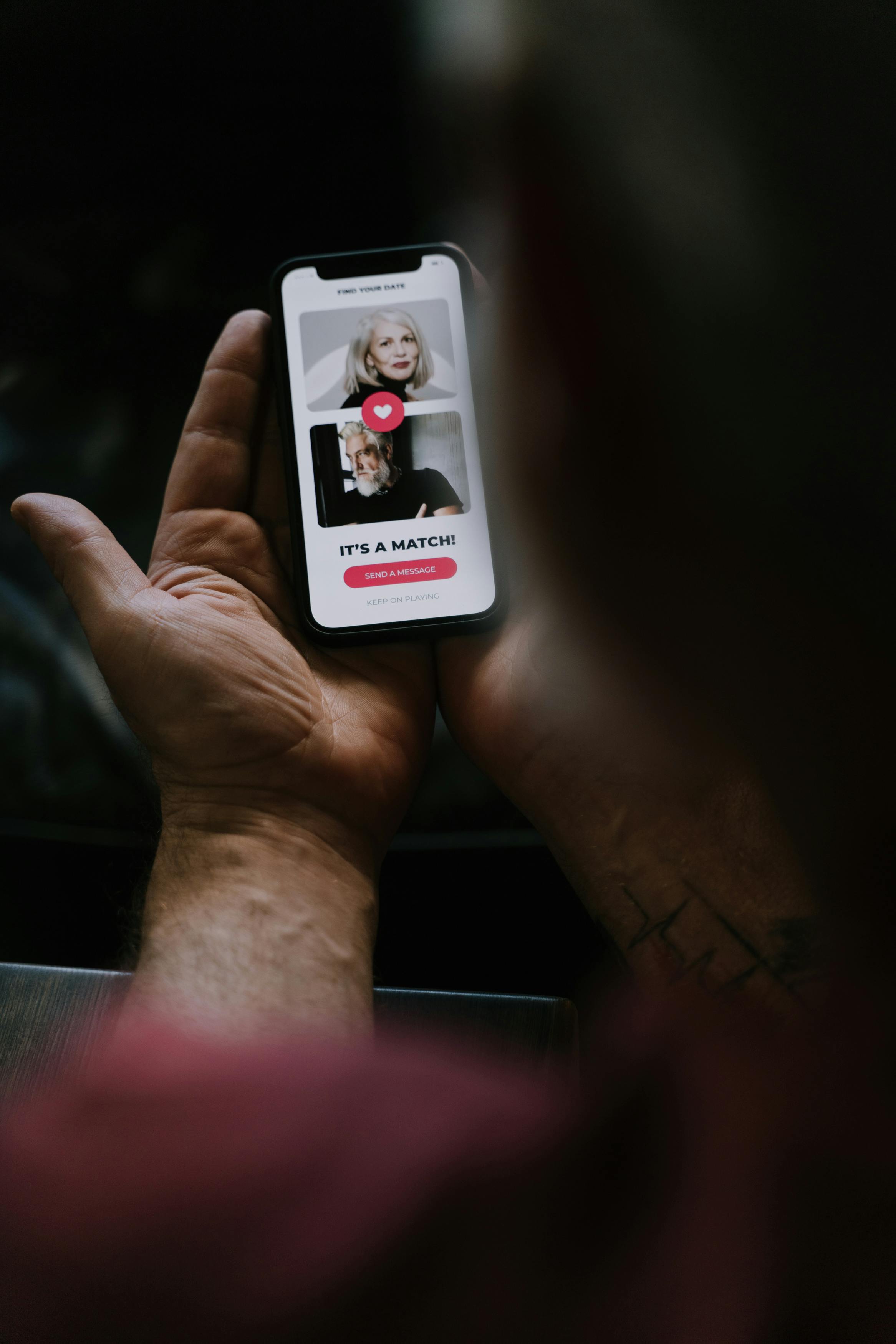
When your business model depends on users swiping endlessly through profiles, paying to get them off their phones and onto running routes represents more than a marketing experiment. It's an admission that the core product is broken. happn's Amsterdam group run, joining similar initiatives from Tinder, Hinge, and Bumble, signals an industry grappling with a fundamental problem: the swipe-match-message formula that built billion-pound valuations is driving users away.
What makes this shift notable isn't the novelty of offline events. It's the economics. Dating apps monetise attention, yet they're now subsidising real-world experiences that generate zero swipe data and actively reduce time spent in-app.

The economics of admitting failure
Dating apps monetise attention. Subscriptions, premium features, and boost purchases all rely on users spending time in-app. Events like happn's Amsterdam run invert that logic entirely. The company is subsidising a real-world experience that, if successful, means participants spend less time on the platform.
Create a free account
Unlock unlimited access and get the weekly briefing delivered to your inbox.
According to research from the Pew Research Center, 30% of US adults who have used dating apps say they feel burned out by the experience. A separate study from YouGov, published in June 2024, found that 44% of UK dating app users aged 18-34 described swiping as 'exhausting'. These aren't outliers. They're mainstream user sentiment—and they're driving product strategy across the industry.
When your business model depends on engagement metrics and you're now paying to orchestrate analogue meet-ups that generate zero swipe data, you're not innovating—you're pivoting away from a product users increasingly don't want to use.
The shift to offline events isn't confined to happn. Hinge launched group hikes in multiple US cities throughout 2024. Tinder ran a series of speed dating nights and sports league tie-ins, including a volleyball tournament in Los Angeles. Bumble (BMBL) has hosted networking brunches and book clubs in London and New York. What started as experimental community-building has become a clear pattern: platforms built on digital engagement are now competing to get singles into rooms—or onto running routes—together.
The competitive context matters here. happn, which has roughly 5 million monthly active users globally according to company disclosures, is dwarfed by Tinder's estimated 75 million MAUs and Bumble's 42 million. It's also operating in a European market where proximity-based matching has been steadily losing ground to personality- and interest-based platforms. Organising a 40-person run in Amsterdam isn't a growth strategy. It's a retention play disguised as brand activation.

Niche fragmentation accelerates
The broader market is fragmenting. Since mid-2024, niche and hobby-focused dating apps have gained traction at the expense of generalist platforms. Apps like Strava-integrated dating tools, book club match-makers, and wellness-focused platforms such as Fitafy and Sweatt have reported user growth in double digits, according to data from app intelligence firm Sensor Tower. Match Group's own Q3 2024 earnings call acknowledged 'increased competition from vertical-focused entrants', though executives declined to quantify the impact on Tinder's user base.
The shift reflects a deeper realisation: swiping on strangers is a weak proxy for compatibility. Events like happn's run attempt to solve this by layering in shared activity and real-time interaction—precisely the things niche apps promise from the outset. Wellness, in particular, has emerged as a wedge. Younger users increasingly associate fitness, mental health, and intentional living with dating compatibility, according to a December 2024 survey from dating consultancy The Match Lab, which polled 2,400 singles across the UK, France, and Germany. 58% of respondents aged 18-29 said they'd rather meet a potential partner at a group activity than through a dating app.
That's a brutal data point for an industry built on convincing users the opposite is true.
What this costs, and what it doesn't deliver
There's no disclosed budget for happn's Amsterdam event, but the economics are straightforward. Venue hire, marketing, staff, insurance, and post-run hospitality for 40 people likely costs between €2,000 and €5,000, depending on vendor rates. That's not material spend for a company backed by a group with annual revenues exceeding €2B. But scale it across cities, multiply it by frequency, and the unit economics start to look uncomfortable—especially when the output is brand awareness, not subscriber conversion.
Compare this to in-app engagement features, which cost almost nothing to deploy at scale and generate immediate revenue. Boosts, Super Likes, and Read Receipts are pure margin. A group run is pure cost. The fact that happn is prioritising the latter suggests the former isn't working.
The broader question is whether these events actually drive long-term retention or simply provide temporary brand halo. If 40 people meet in Amsterdam and four of them match on happn afterwards, is that success? The company hasn't disclosed conversion data, and none of the major platforms that have run similar initiatives have published figures tying offline events to subscriber growth. That silence is telling.
What to watch
The expansion schedule will signal intent. If happn rolls this out to more cities with higher frequency, it suggests the company sees offline events as core strategy rather than marketing theatre. If it remains a one-off or occasional activation, it's brand spend masquerading as product innovation.
Investor scrutiny will intensify. Match Group's share price is down 48% from its 2021 peak, and Bumble is trading 76% below its February 2021 IPO price, according to the DII Stock Tracker. Both companies have cited user fatigue and engagement challenges in recent earnings calls. If the solution to platform fatigue is fewer platform interactions, revenue growth becomes structurally harder to defend. Betclic Everest Group is private, so happn's financials remain opaque, but the strategic bind is the same.
The real test is whether wellness-focused offline events are a bridge to a new product model or a temporary patch on a deteriorating core experience. Dating apps built their businesses on convenience and scale. If the future of dating involves more friction, smaller groups, and real-world proximity, the platforms best positioned to win may not be the ones currently dominating the market.
Key Takeaways
- •Subsidising real-world activities creates a structural conflict for dating app operators, as driving offline interactions directly reduces in-app engagement and high-margin feature monetisation.
- •Investors must evaluate whether offline events serve as sustainable user retention channels or merely represent costly marketing experiments during a period of declining platform engagement.
Frequently Asked Questions
Data & Analytics Desk
The DII Data Team maintains the publication's trackers, market data and analytical reference hubs for the online dating industry.
Comments
Join the discussion
Industry professionals share insights, challenge assumptions, and connect with peers. Sign in to add your voice.
Your comment is reviewed before publishing. No spam, no self-promotion.