Gleeden's Emotional Affair Strategy: A Market Play in Disguise
Key Points
- •French affair platform Gleeden reports that 66% of its female users in India engage primarily in emotional rather than sexual conversations on the app.
- •Research firm Market.us valued India's online dating market at $323 million in 2023, with projected compound annual growth of 8.7% through 2030.
- •Gleeden operates across 30 countries with 10 million global users, charging male users per message sent while allowing female users free access.
- •Dating platforms like Bumble introduced BFF mode in 2016 and Tinder launched Platonic mode in 2022 to expand addressable user bases.
Gleeden, the French-built affair platform operating in India since 2017, has released fresh user data with a striking claim: 66% of its female users engage primarily in emotional rather than sexual conversations. The company frames this as evidence of 'emotional neglect' in marriages, positioning itself as a therapeutic outlet rather than a facilitator of infidelity. The framing is deliberate, and it matters.
By redefining affairs as emotional wellness, Gleeden is attempting to lower the barrier to entry in a market where extramarital relationships carry significant cultural stigma. In doing so, it's following a playbook the broader dating industry has been testing for years.
This is product positioning masquerading as social insight. Whether or not Gleeden's users are seeking emotional connection over sexual encounters, the company benefits from every expanded definition of what constitutes legitimate use of an affair platform.
The softer the framing, the wider the addressable market. India is a £100M+ opportunity for dating platforms, but cultural barriers remain formidable. Calling it 'emotional support' rather than infidelity is commercial strategy, not relationship therapy.
Create a free account
Unlock unlimited access and get the weekly briefing delivered to your inbox.
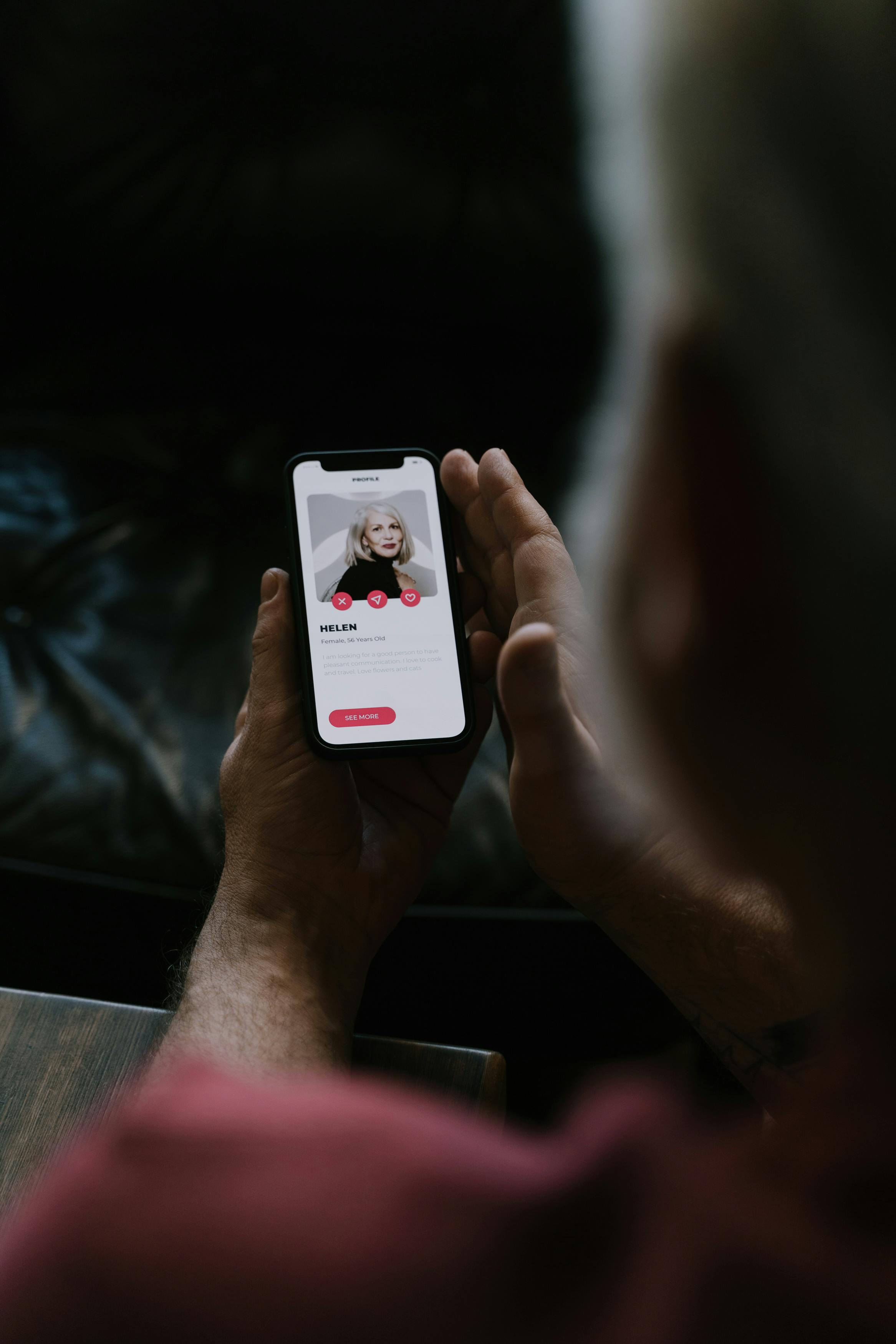
The commercial case for emotional affairs
Gleeden's data—entirely self-reported, with no disclosed methodology—arrives as the dating industry broadly expands what platforms are 'for'. Bumble added BFF mode in 2016. Tinder launched Platonic mode in 2022. Hinge trialled a 'looking for friends' feature last year.
Each expansion increases the addressable user base without requiring product teams to build genuinely differentiated experiences. For affair platforms, the calculation is sharper. According to the company's own disclosures, Gleeden operates in 30 countries and claims 10 million users globally.
India represents one of its fastest-growing markets, but the cultural context differs dramatically from its European base. Extramarital relationships remain deeply taboo across much of the country, particularly for women. Criminal law only decriminalised adultery in 2018.
Framing the platform's purpose as emotional connection rather than sexual affairs directly addresses that barrier. The company's chief marketing officer told local media that users 'seek a non-judgemental space for emotional connection', positioning the app as filling a gap left by emotionally unavailable spouses rather than enabling infidelity. That language choice is critical: one version sells badly in conservative markets, the other positions the platform as a wellness tool.
Monetising the grey zone
The concept of 'emotional affairs' has gained currency in relationship therapy over the past decade, describing sustained intimate emotional connection outside a committed relationship. Clinical definitions vary, and therapists remain divided on whether emotional intimacy constitutes infidelity or unmet relational need. What's not contested is that the term exists in a grey zone—precisely the space where commercial platforms can operate with plausible deniability.

Gleeden's business model depends on that ambiguity. The platform charges men per message sent—a credit system common across affair sites—whilst women use it free. That pricing structure incentivises the company to maximise female user acquisition and retention, regardless of whether those users ultimately meet anyone or simply chat.
The India-specific data Gleeden released supports that model perfectly. If 66% of female users are engaging emotionally rather than sexually, they're still active, still driving male engagement, still generating credit purchases. Whether those interactions constitute affairs or loneliness relief is immaterial to the unit economics.
The industry profits from activity, not outcomes. Gleeden can't lean into marriage outcomes or cultural acceptability, so it reframes the transaction entirely: not facilitating affairs, but providing 'emotional wellness' for the neglected.
This mirrors broader shifts in dating app monetisation. Match Group has spent five years pushing à la carte features—Super Likes, Boosts, Read Receipts—that monetise engagement rather than relationships. Bumble reported in Q3 2024 that 38% of paying users subscribe for 'connection features' rather than matches.
Market sizing through moral ambiguity
India's online dating market was valued at $323M in 2023, according to research firm Market.us, with projected compound annual growth of 8.7% through 2030. That growth is concentrated in urban centres among users aged 25-40. Gleeden's target demographic skews older—married adults seeking connections outside their relationship—but the cultural barriers remain similar.
Mainstream dating apps have addressed this through heavy localisation. Tinder introduced 'My Move' mode in India, giving women sole control over initiating conversation. QuackQuack, a domestic player, emphasises 'serious relationships' rather than hookups. Aisle positions itself as a marriage-focused platform.
Each frames its service to align with cultural expectations around relationships. For affair platforms, that localisation requires different tactics. Instead, Gleeden reframes the transaction entirely, providing 'emotional wellness' for the neglected. The data release reinforces that narrative without requiring independent verification of what users actually do or why.

The approach has precedent. Ashley Madison, the largest affair platform globally, rebranded after its 2015 hack from 'Life is short. Have an affair' to 'Find your moment'. The parent company, Ruby Corp, now describes itself as facilitating 'open-minded' connections. Softening the language expands the potential user base whilst maintaining the core service.
What operators should watch
The broader question for dating operators is whether emotional connection as a standalone category represents genuine product differentiation or simply a lower-friction onboarding narrative. Gleeden's India data suggests the latter: users claim to seek emotional engagement, but they're doing so on a platform explicitly built for affairs.
That doesn't mean the emotional wellness framing won't work. It likely will, particularly in markets where cultural stigma creates headwinds for user acquisition. The issue for competitors is whether that framing can be defended as platforms mature and regulatory scrutiny intensifies.
The UK Online Safety Act and EU Digital Services Act both impose transparency requirements around platform purpose and design. Claiming to offer emotional wellness whilst operating a paid affair site creates potential misalignment between marketing narrative and regulatory classification.
Gleeden's India strategy will test whether extramarital platforms can scale in conservative markets by redefining what they're for. The trend is already visible in India's booming secret affair market, fueled by digital platforms and evolving attitudes. Meanwhile, users over 40 increasingly report using the platform for friendships rather than romantic connections. If it works, expect the playbook to spread. If it doesn't, the data release will stand as a case study in how far narrative can stretch before the business model underneath becomes too visible.
Key Takeaways
- •Dating app operators in conservative markets can lower user acquisition barriers by repositioning affair or casual dating services as emotional wellness and friendship tools.
- •Compliance teams must monitor misalignments between emotional support marketing claims and pay-per-message affair models under regulations such as the UK Online Safety Act and EU Digital Services Act.
Frequently Asked Questions
Data & Analytics Desk
The DII Data Team maintains the publication's trackers, market data and analytical reference hubs for the online dating industry.
Comments
Join the discussion
Industry professionals share insights, challenge assumptions, and connect with peers. Sign in to add your voice.
Your comment is reviewed before publishing. No spam, no self-promotion.