Spain's Dating Exodus: A Warning for Freemium Models Everywhere
Key Points
- •A study indicates 61 per cent of Spanish dating app users feel drained by platforms, driving an exodus toward offline dating alternatives.
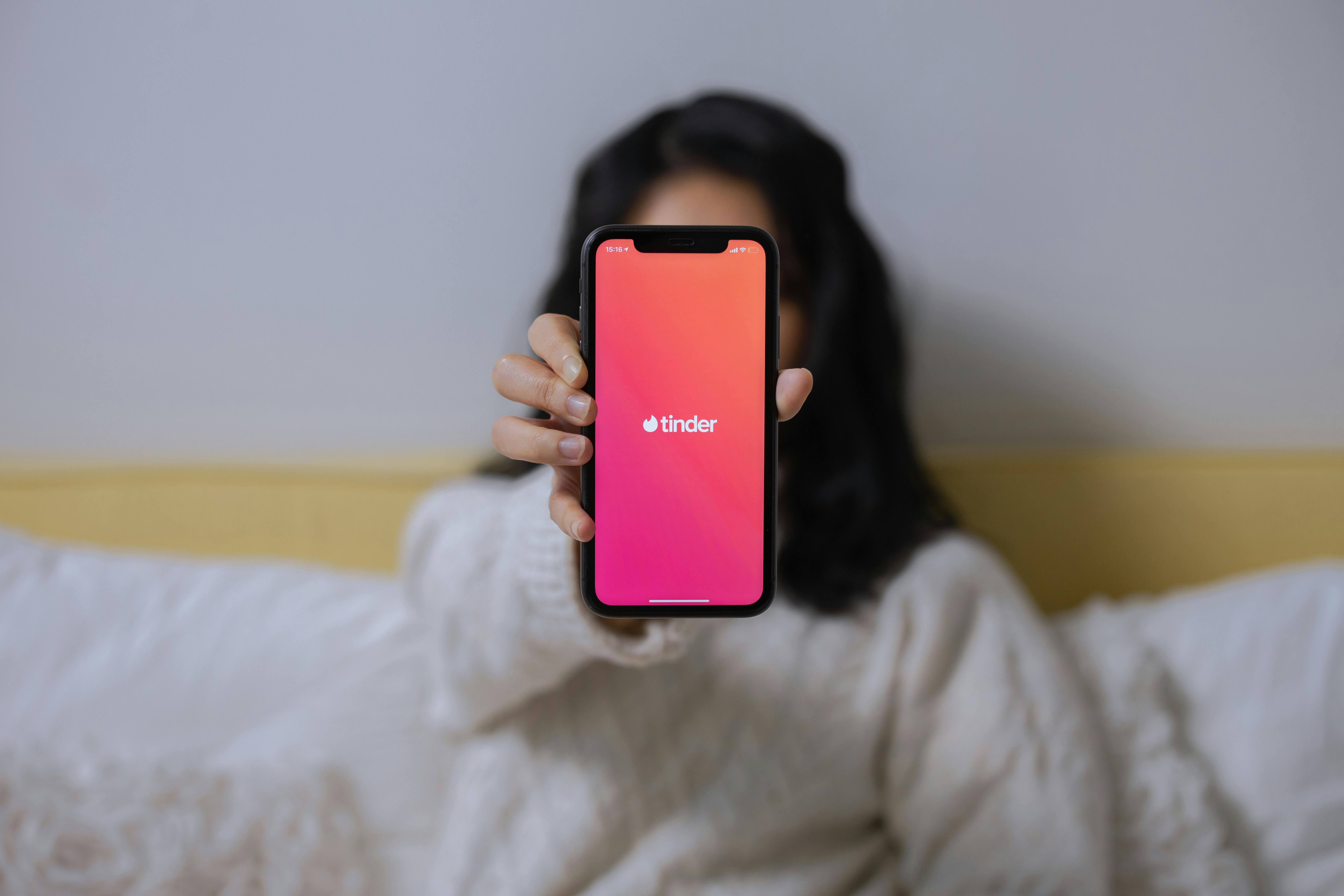
- •Tinder saw its paying user base drop by 7 per cent in Q2 2024, while global dating app downloads fell by approximately 20 per cent.
- •Madrid-based matchmaking agency SamSara reports 80 per cent of its clients are former app users paying up to 3,000 euros for curated offline matchmaking.
Spanish singles are abandoning dating apps at a rate that should concern every product team in the industry. They're voting with their wallets, turning instead to matchmaking agencies and offline events that charge significantly more but promise radically less friction. Spain isn't an outlier—it's a leading indicator of business model fatigue that threatens the economics underpinning the entire sector.
From Volume to Curation
SamSara, a Madrid-based matchmaking agency, reports that 80% of its clients are former app users. That figure comes from a single operator and should be treated cautiously, but the directional signal aligns with what multiple offline dating businesses are seeing across Spain. These aren't casual daters priced out of premium tiers—they're precisely the high-intent, high-value users that Bumble (BMBL) and Match spent years trying to convert.
The shift matters because it challenges a foundational assumption of the dating app model: that scale creates network effects which create defensibility. Matchmaking agencies operate on inverse economics—they succeed by limiting inventory and reducing choice. Where Tinder shows you hundreds of profiles, a matchmaking service introduces you to three.
Create a free account
Unlock unlimited access and get the weekly briefing delivered to your inbox.
Spanish singles are now willing to pay €3,000 to a matchmaking service rather than €15/month to an app, which should terrify every operator still betting on freemium conversion funnels.
Offline dating events are proliferating across Spanish cities using a similar thesis. Organisers cap attendance, screen participants, and charge entry fees that would make a Tinder Gold subscription look like a rounding error. The model isn't 'swipe and hope'—it's 'show up and we've done the work'.
The Engagement Trap
Dating apps have long optimised for metrics that drive daily active users and session length—swipes, matches, messages. These are the numbers that appear in earnings decks and analyst presentations. But they're proxy metrics, not outcome metrics. A user who spends 90 minutes swiping but goes on zero dates is engagement success and product failure.

Spanish users appear to have reached a breaking point with this trade-off. The 61% fatigue figure suggests the problem isn't poor execution within the existing model—it's the model itself. When your product's success depends on users not finding what they came for because happy couples churn, you've built a business with structural misalignment between user goals and company incentives.
Every major operator knows this. It's why Match experimented with 'relationship-ready' tiers on Hinge and why Bumble tried to reposition around intentionality. But product marketing can't solve a monetisation architecture problem. Subscription revenue requires sustained engagement, which requires sustained single status.
What Operators Are Watching
Spain's trajectory raises immediate questions for product and growth teams elsewhere. Is this a cultural anomaly, or is Spain simply six months ahead of France, Germany, and the UK? Mediterranean dating culture has always leaned more social and less digital than Northern Europe, but the magnitude of the shift suggests something deeper than regional preference.
When your highest-intent users are willing to pay 200x your premium subscription price to avoid using your product, you don't have a conversion problem—you have a product-market fit problem.
The listed players are caught in a difficult position. They can't easily pivot to curation-first models without sacrificing the unit economics that justify their valuations. Matchmaking agencies operate with gross margins in the 40-50% range but serve tens of thousands of clients. Dating apps achieve 70%+ margins serving tens of millions. Wall Street prices the latter.
Bumble's recent emphasis on 'opening moves' and Hinge's focus on 'designed to be deleted' represent attempts to thread this needle—maintaining scale whilst signalling intentionality. But feature changes don't address the core tension. A platform that makes money from attention will always struggle to optimise for outcomes that reduce attention.
The Monetisation Fork
If Spain is a preview, operators face a choice between two uncomfortable paths. The first is to accept that dating apps are entertainment products, not utility products, and monetise accordingly—think TikTok, not Uber. Lean into gamification, social features, and content rather than pretending the core job-to-be-done is finding a partner.

The second path is to genuinely restructure around outcomes, which means experimenting with models that don't require indefinite engagement. Success fees, refund guarantees, hard caps on app usage—all of these would require rethinking how revenue scales and how investors value the business.
Neither path is simple, and both would require Match, Bumble, and others to cannibalise existing revenue streams before new ones prove viable. That's a tough pitch in a market where MTCH trades at multi-year lows and BMBL has spent two years trying to stabilise its core metrics.
The Spanish data suggests that standing still isn't an option either. What happens next in Spain will matter for the entire industry. If fatigue proves temporary—a post-pandemic correction as social life normalises—operators can treat this as a retention challenge to be solved with better onboarding and smarter matching algorithms. But if it proves durable, and if other markets follow the same pattern, the industry may be entering a period where growth comes from fundamentally rethinking what a dating platform is for.
The trend isn't isolated to Spain. Singles with swipe fatigue are increasingly dumping apps for in-person events across multiple markets, while established players like Happn's CEO has openly called for industry change, acknowledging that apps "solved swiping" but failed to solve for meaningful outcomes. Even Meta is revamping Facebook Dating with AI features specifically designed to tackle swipe fatigue, a tacit admission that the problem has become existential for the category.
Key Takeaways
- •Dating app operators face a structural misalignment because subscription revenue models rely on sustained platform engagement, whereas high-intent users prioritise fast relationship outcomes.
- •To maintain profitability, platforms like Match Group and Bumble must evaluate whether to monetise as entertainment products or adopt higher-cost outcome-based curation services.
Frequently Asked Questions
Data & Analytics Desk
The DII Data Team maintains the publication's trackers, market data and analytical reference hubs for the online dating industry.
Comments
Join the discussion
Industry professionals share insights, challenge assumptions, and connect with peers. Sign in to add your voice.
Your comment is reviewed before publishing. No spam, no self-promotion.