Tinder's Iris Scan: The Biometric Arms Race in Dating
Reviewed and updated:
Key Points
- •Tinder is integrating Sam Altman's World iris-scanning verification system to combat AI-enabled fraud that is projected to reach $40 billion by 2027.
- •According to the Federal Trade Commission, romance scam losses reached $1.14 billion in 2023, rising from $547 million reported in 2021.
- •World claims 18 million verified users across 77 countries and has generated 450 million authentications through its silver orb network.
- •Match Group currently processes millions of identity verification requests monthly after making video selfie checks compulsory across its dating portfolio in 2023.
Dating platforms are embracing biometric verification with a fervour that would make airport security blush. Tinder's partnership with Sam Altman's World project marks the industry's most aggressive push yet into iris-scanning technology, offering members a "proof of humanity" badge if they're willing to stare into a silver orb. What starts as optional invariably becomes mandatory, and the verification arms race has just entered new territory.
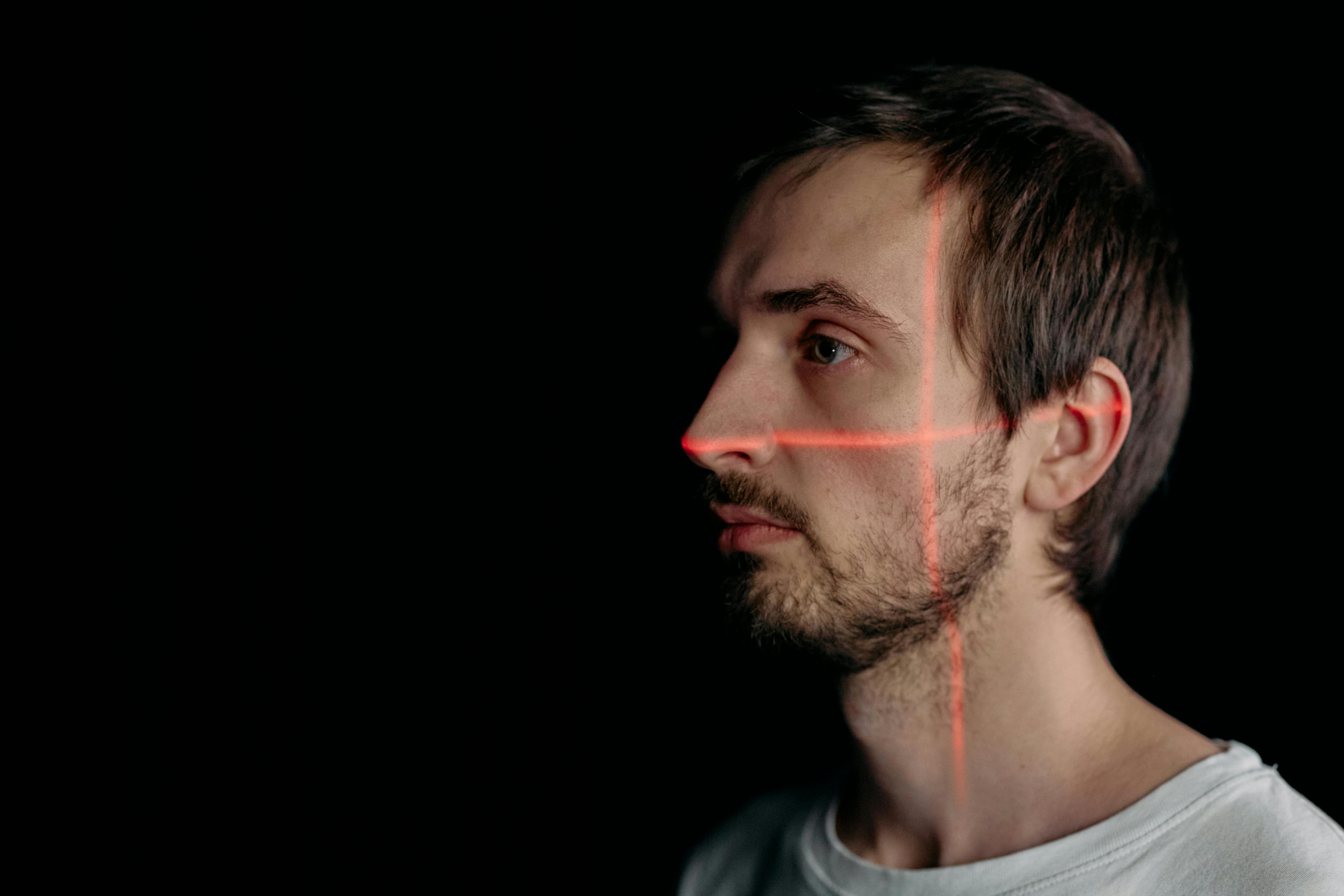
The verification arms race reaches the iris
Tinder's progression on identity verification tells you everything about where this ends. The platform introduced photo verification in 2020, positioned it as an optional trust signal for three years, then quietly made it compulsory for new accounts and withheld from existing users who declined. According to Match Group (MTCH), which owns Tinder, the company now processes millions of verification requests monthly across its portfolio.
World claims its iris-scanning technology has verified 18 million people across 77 countries, generating 450 million authentications. The company pitches the system as anonymous—scans produce a cryptographic hash rather than storing actual biometric images, according to statements provided to media outlets. But cryptographic anonymity and practical anonymity diverge sharply when a biometric marker is, by definition, uniquely linked to a single human body.
Create a free account
Unlock unlimited access and get the weekly briefing delivered to your inbox.
Geographic concentration matters here. World's orb network is heavily weighted toward Latin America, Europe, and parts of Asia, with limited penetration in North America. That distribution creates verification disparity before the system even launches on dating platforms. A member in Buenos Aires can verify easily; someone in rural Montana cannot.
Once enough members scan their eyeballs, refusing to do so becomes a signal of possible deception. The trust hierarchy doesn't just reward participation; it punishes abstention.
Sam Altman's curious dual mandate
The timing is worth examining. OpenAI, where Sam Altman serves as chief executive, released tools that democratised synthetic media creation—ChatGPT for text, DALL-E for images, and the underlying models that power video deepfake applications now proliferating across the internet. Altman co-founded World (previously Worldcoin) in 2019, positioning it as a solution to the authenticity crisis that his other venture helped accelerate.
This isn't necessarily nefarious, but it does create a rather neat commercial arrangement. Build the technology that makes human verification urgent, then sell the verification service. The Hong Kong case World references—where a finance worker transferred $25 million after a deepfake video call impersonated company executives—demonstrates real stakes beyond romance scams.
Dating operators now face the question of whether to hand their verification infrastructure to a company whose co-founder profits from both sides of the authentication problem. Match Group, Bumble (BMBL), and other major platforms have built internal verification systems, though none involve biometric scanning beyond facial recognition for photo matching. Outsourcing to World means ceding control of a core trust function to a third party with its own governance questions.
The two-tier member problem
Optional verification creates stratification that may prove worse than no verification at all. Once a "proof of humanity" badge appears on profiles, its absence becomes conspicuous. Members who decline iris scanning—whether from privacy concerns, lack of geographic access, or simple discomfort with biometric data collection—signal something to potential matches, regardless of intent.
This dynamic already plays out with existing verification badges. According to data Match Group disclosed in regulatory filings, verified profiles receive substantially higher engagement rates than unverified ones. That gap widens as verification adoption increases. When verification is rare, unverified profiles simply look normal. When verification is common, they look suspicious.
Dating platforms have struggled for years to balance trust mechanisms with accessibility. Biometric scanning now adds another filter—one that requires physical access to scanning hardware and comfort with a company storing data tied to your retina.
The competitive implications matter. If Tinder implements World verification and adoption reaches meaningful scale, rivals face pressure to match it or risk being perceived as less secure. Bumble (BMBL) already operates its own photo verification system and seems unlikely to outsource that function. Grindr (GRND) has resisted mandatory verification altogether, arguing it creates barriers for LGBTQ+ members in regions where disclosure carries risk.
What dating operators should watch
Three factors will determine whether this becomes industry standard or a brief experiment. First, adoption velocity. If members embrace iris scanning quickly, the trust signalling effect accelerates and competitive pressure mounts. If adoption stalls, World verification becomes another ignored badge, like Instagram linking or Spotify integration.
Second, regulatory response. The EU Digital Services Act (DSA) and UK Online Safety Act (OSA) both address verification requirements, but neither mandates biometric scanning. Privacy regulators in the EU and UK have historically viewed biometric data as requiring heightened protection. Widespread adoption of iris scanning may trigger closer scrutiny, particularly if the "optional" framing erodes.
Third, fraud trajectory. If AI-generated profiles and deepfake scams escalate as projected, member demand for stronger verification may override privacy hesitation. The Federal Trade Commission data shows romance scam losses doubled in two years. Another doubling would make biometric verification look less like surveillance and more like due diligence.
For operators outside the Match Group portfolio, this announcement clarifies the verification benchmark. Photo verification is table stakes. Video verification is increasingly expected. Biometric scanning is where the industry is headed, whether through World's orbs or competing systems. Building that capability in-house requires significant technical investment. Outsourcing it means ceding control of member trust to a third party.
Key Takeaways
- •Dating operators face a strategic choice between building internal verification technology or outsourcing identity checks to third-party providers like World, which risks ceding control over member trust infrastructure.
- •As biometric verification becomes widespread across Tinder, unverified profiles suffer reduced engagement rates, creating commercial pressure on competing apps like Bumble and Grindr to respond.
- •Compliance teams must monitor privacy regulators in the European Union and the United Kingdom, where mandatory or de facto compulsory biometric data collection faces heightened legal scrutiny.
Frequently Asked Questions
Technology & AI Desk
The DII Technology Desk reports on product, engineering, AI and platform infrastructure across dating and social discovery apps.
Comments
Join the discussion
Industry professionals share insights, challenge assumptions, and connect with peers. Sign in to add your voice.
Your comment is reviewed before publishing. No spam, no self-promotion.