Match Group's Iris Gamble: Trust or Regulatory Recklessness?
Reviewed and updated:
Key Points
- •Match Group has partnered with Sam Altman's biometric firm World to introduce physical iris-scanning verification for Tinder users.
- •World, formerly known as Worldcoin, faces regulatory suspensions in Spain, an outright ban in Kenya, and privacy investigations in Germany.
- •Tinder users must visit physical hardware locations containing World's orb-shaped cameras to complete the biometric verification process.
- •Match Group announced the partnership to combat AI-generated fake profiles and declining user engagement across its dating portfolio.
Match Group is betting your iris data on solving a problem that wouldn't exist without AI—and asking you to trust Sam Altman's biometric scanning company to make Tinder safe again. The dating giant has announced a partnership with World, the controversial venture co-founded by the OpenAI chief, to introduce iris-scanning verification for Tinder users. According to Match Group's Trust and Safety lead Yoel Roth, the technology represents the 'next natural step' in platform security as AI-generated fake profiles proliferate across the app.
The mechanics are straightforward. Users will scan their irises using World's orb-shaped cameras—physical hardware deployed at various locations—to generate what World calls 'proof of humanity'. This biometric verification sits above Tinder's existing video selfie requirement, which has evidently proven insufficient as generative AI tools have made creating convincing fake profiles trivially easy.
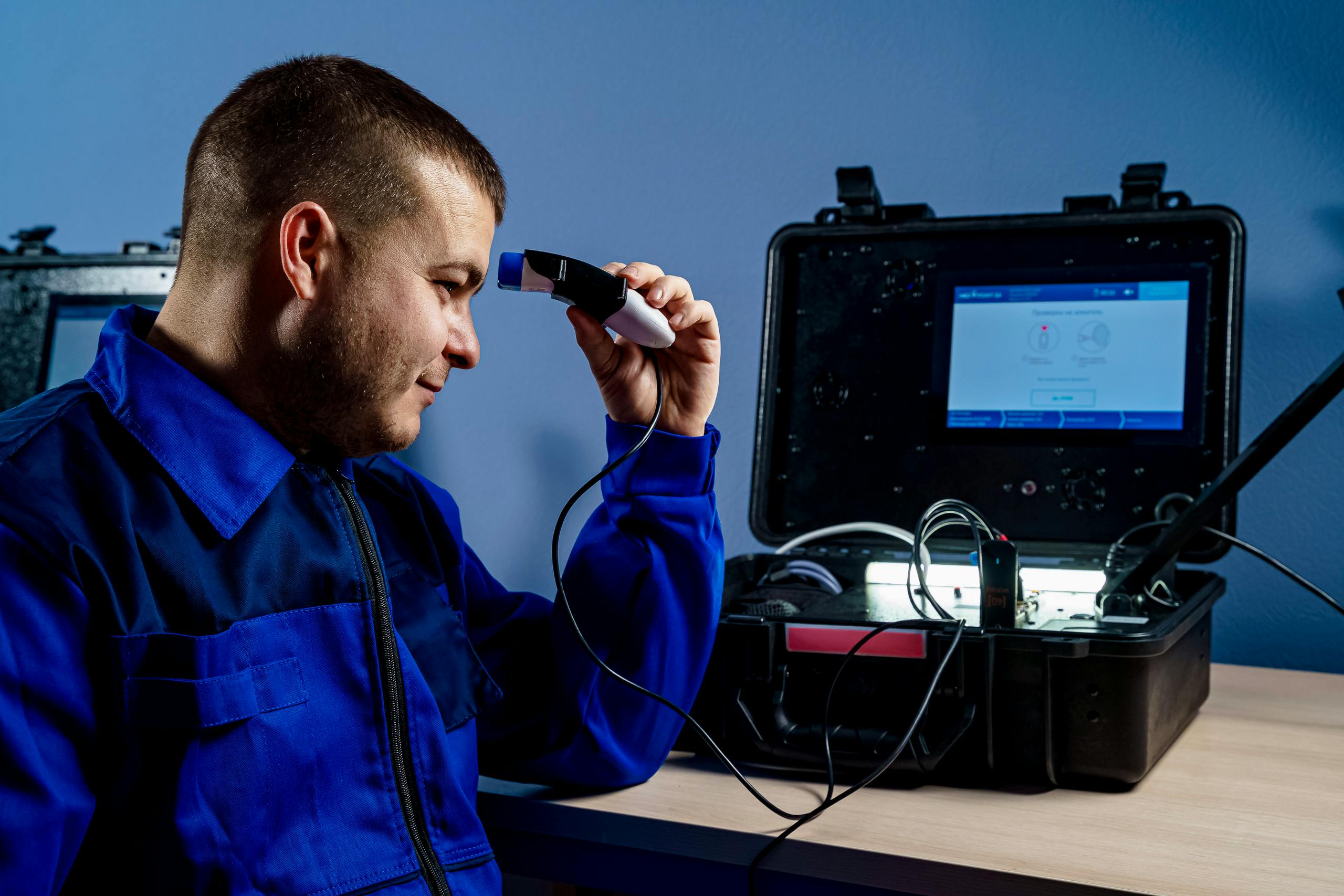
This is the AI arms race eating its own tail. Dating apps are now deploying invasive biometric surveillance—from a company run by the same person whose technology created the deepfake problem—to prove users are human.
The privacy trade-off is extraordinary, the regulatory risk is substantial, and the competitive positioning feels defensive rather than strategic. Match Group is essentially outsourcing trust to one of the most scrutinised biometric data operations in the world, and calling it innovation.
Create a free account
Unlock unlimited access and get the weekly briefing delivered to your inbox.
World's troubled regulatory track record
World, formerly known as Worldcoin, arrives with considerable baggage. Spanish data protection authorities suspended the company's operations in 2024 over concerns about biometric data collection practices. Kenya banned World outright. German regulators launched investigations into how the company stores and processes iris scans.
The pattern is consistent: privacy watchdogs take one look at the business model—scanning eyeballs to create unique biometric identifiers—and reach for the regulatory brake. For Match Group, this represents a significant compliance gamble. The company operates across multiple jurisdictions, including the EU, where the Digital Services Act and General Data Protection Regulation already impose strict requirements on biometric data processing.
Partnering with a company facing active regulatory challenges in several European markets is a curious choice for a business that needs to demonstrate robust data governance to investors and regulators alike. The technical architecture raises further questions. What happens to iris scan data if a user deletes their Tinder account?

Does Match Group retain copies, or does World control the biometric database? How long is the data stored? Can it be shared across Match Group's portfolio of dating brands? The announcement provides none of these details, which compliance teams at rival operators will note with interest.
The commercial calculation behind the privacy gamble
Strip away the safety messaging and this partnership looks like a company under pressure making a high-stakes bet on differentiation. Match Group has reported declining user engagement, increased competition from niche platforms, and persistent questions from investors about how it plans to rebuild trust after years of complaints about bots, scammers, and fake profiles. Tinder, the portfolio's flagship brand, has struggled to arrest member churn.
Biometric verification solves a real problem—AI-generated profiles are proliferating across visual-first platforms, and video selfies no longer provide reliable proof of humanity. Seeking, a competitor in the transactional dating segment, has already introduced AI-based verification, signalling that the market expects dating platforms to respond to the deepfake threat.
Requiring users to visit a physical location to scan their irises with proprietary hardware introduces significant friction into the onboarding process. That friction might filter out scammers, but it will almost certainly filter out legitimate users who balk at handing over biometric data to a dating app.
The trade-off between security and conversion rates will determine whether this becomes an industry standard or a cautionary tale. The choice of World as a partner is especially telling. Altman's involvement gives the partnership Silicon Valley credibility, but it also ties Match Group's verification strategy to a company whose core business model—scanning millions of irises to create a global biometric identity system—has faced consistent pushback from privacy advocates and regulators.
That's not the partner you choose if your priority is regulatory safety. It's the partner you choose if you want headlines.
What this means for the verification arms race
Other dating operators now face a dilemma. If Tinder successfully implements biometric verification without regulatory blowback or mass user exodus, the industry standard for 'verified' will shift dramatically. Video selfies and document checks will look quaint by comparison. Platforms that can't or won't adopt iris scanning may find themselves positioned as less secure, regardless of their actual trust and safety performance.

Conversely, if World's regulatory troubles intensify or users reject the privacy trade-off, Match Group will have handed competitors a perfect case study in what not to do. Bumble and Grindr have both invested in identity verification, but neither has moved toward biometric scanning of this nature. They're watching this closely.
The broader question is whether the dating industry is solving the AI problem or simply creating new ones. Biometric databases represent attractive targets for hackers. A breach of iris scan data isn't like a password leak—users can't change their irises. The security implications are permanent.
For an industry already grappling with a trust crisis, adding biometric data to the attack surface is a substantial risk. What Match Group needed was a verification system that rebuilds trust without introducing new privacy concerns. What it's chosen is a partnership with one of the most controversial biometric data operations in tech, fronted by the face of the AI boom.
Whether that's bold leadership or regulatory recklessness will become clear once European privacy authorities have their say. Meanwhile, the verification approach is simultaneously being adopted by other platforms grappling with AI-fuelled romance scams.
Key Takeaways
- •Dating app compliance teams must evaluate the severe regulatory risks under GDPR and European data protection laws when implementing physical biometric verification systems.
- •Requiring physical iris scanning introduces significant onboarding friction that could increase legitimate user churn, despite potentially filtering out automated scam profiles.
- •Match Group competitors like Bumble and Grindr may gain positioning advantages if European privacy regulators block World's biometric data collection infrastructure.
Frequently Asked Questions
Financial Intelligence Desk
The DII Financial Intelligence Desk covers earnings, valuations, funding and the financial performance of the global online dating industry.
Comments
Join the discussion
Industry professionals share insights, challenge assumptions, and connect with peers. Sign in to add your voice.
Your comment is reviewed before publishing. No spam, no self-promotion.