

Muzz's Offline Events: A Monetisation Signal or Just a Costly PR Stunt?
Key Points
- •Muzz hosted its first offline singles event in Mumbai, India, bringing together approximately 100 participants for structured activities and QR code profile exchanges.
- •Muslim-focused dating app Muzz operates globally with 10 million users, targeting urban areas in India where 200 million Muslims reside.
- •Research from the Pew Research Center indicates that 45% of dating app users report feeling frustrated or pessimistic about their digital dating experiences.
- •Competitors including Match Group and Bumble have struggled to scale offline events or achieve positive unit economics due to audience heterogeneity.
Match Group and Bumble have spent years convincing investors that dating is moving online. Muzz, a Muslim-focused app with 10 million users globally, just spent an evening in Mumbai proving the business case might actually be offline. The company's first singles event in India brought together around 100 participants for structured activities and QR code exchanges — a deliberate attempt to blend app-style efficiency with face-to-face interaction.
Attendees pre-registered through the app, received curated matches on the day, and could exchange digital profiles via QR codes rather than phone numbers. The format isn't revolutionary, but the context is. Faith-based dating apps operate under constraints that mainstream platforms never encounter.
Mixed-gender socialising remains culturally sensitive in many Muslim communities. Family involvement in partner selection isn't a quirk — it's structural. For Muzz, hosting an offline event isn't just product innovation; it's a legitimacy play.
Create a free account
Unlock unlimited access and get the weekly briefing delivered to your inbox.

If conservative families see the platform facilitating chaperoned, structured meetings rather than unsupervised swiping, it shifts the reputational calculus.
This matters less as a feature launch and more as a monetisation signal. Dating apps are struggling to justify subscription price increases when the core product — swipes and messages — hasn't meaningfully improved in five years. Offline events create a new revenue stream that larger platforms can't easily replicate at scale, particularly in culturally specific markets.
Muzz isn't competing on algorithm sophistication; it's competing on cultural competence. That's a defensible moat.
Why niche apps can do what Match and Bumble can't
Bumble has hosted offline events in New York and London. Hinge ran activations at music festivals. Match Group experimented with singles nights through its Stir brand for single parents. None of them cracked the unit economics or scaled beyond marketing exercises.
The challenge for mainstream apps is simple: heterogeneity. A Bumble event in Manchester attracts 25-year-old professionals, 40-year-old divorcees, and everyone in between. Shared interest in "dating" isn't enough to make an evening compelling.
Conversion from attendee to paying subscriber depends on matches made, and matches depend on compatibility density. Faith-based and ethnically focused apps start with higher baseline compatibility. Muzz's Mumbai event didn't need to filter for religion, cultural expectations around marriage timing, or family involvement preferences — those were table stakes.

The result is higher match probability per interaction, which translates to better event ROI and stronger word-of-mouth. Logistical constraints that seem like disadvantages become competitive advantages. Muzz can't run weekly events in 50 cities like a mainstream app theoretically could.
But it doesn't need to. A quarterly event in five high-density Muslim markets — Mumbai, Karachi, London, Dubai, Jakarta — creates exclusivity and drives engagement spikes without the operational overhead of constant programming.
The business model question no one's answering yet
What remains unclear is whether offline events actually drive subscription revenue or just function as expensive user acquisition. Dating apps monetise through subscriptions, boosts, and premium features. An offline event costs real money: venue hire, staff, food and beverage, liability insurance.
If attendees match at the event and take the conversation offline without upgrading to paid tiers, the app has subsidised a connection it can't monetise. The counter-argument is retention. Platforms are haemorrhaging users who describe app fatigue as endless swiping with diminishing returns.
According to research from the Pew Research Center, 45% of dating app users report feeling frustrated or pessimistic about the experience. Offline events could reduce churn by providing tangible value beyond the feed — a reason to stay engaged even when the digital experience feels stagnant.
Muzz hasn't disclosed whether the Mumbai event was ticketed or free for subscribers. That pricing decision reveals strategic intent.
Free events are user acquisition and brand-building. Paid events are a revenue line. Subscription-gated events are retention tools. Each model has different margins and different implications for scalability.
What works in Mumbai won't work everywhere
India represents both an opportunity and a cautionary tale for faith-based dating apps. The country has 200 million Muslims, concentrated in urban centres where app adoption is high and cultural shifts around courtship are accelerating. But offline events depend on population density and social acceptability.
Muzz operates in markets where hosting a public Muslim singles event ranges from straightforward (London, Toronto) to logistically complex (Riyadh, Tehran). The app's ability to monetise offline experiences will vary dramatically by geography, which limits the scalability thesis that investors want to hear.
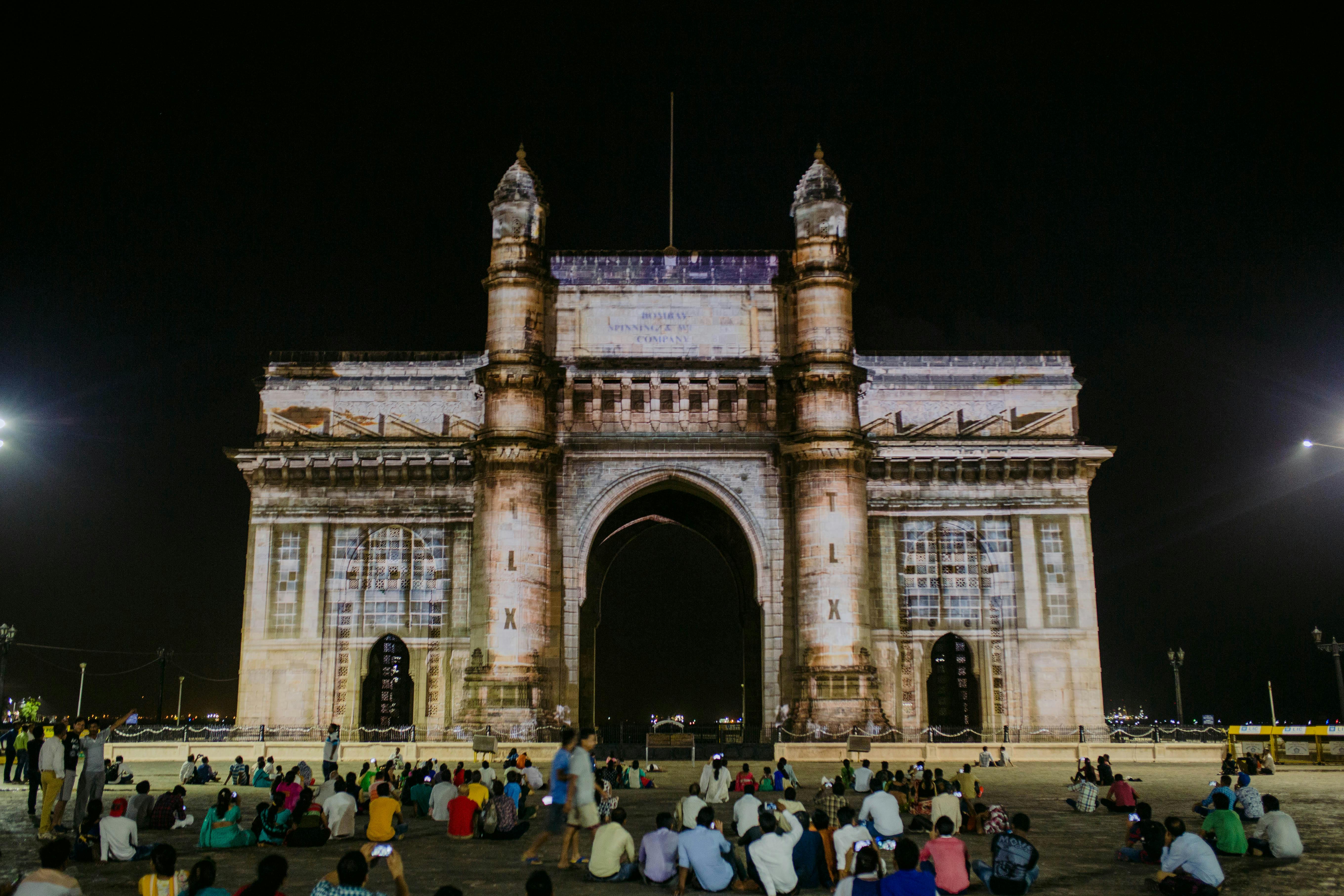
Bumble's offline events largely stayed in Western metros where the reputational risk of attending a dating event is minimal. Muzz is testing whether it can replicate that model in markets where showing up to a singles mixer might still carry social stigma, even within progressive urban cohorts.
The QR code mechanic is a smart hedge. It preserves some digital distance — attendees don't have to hand out phone numbers or social media handles on the spot. But it also introduces friction. If the goal is offline chemistry, why add a digital step? The answer is probably data capture and platform stickiness, which brings us back to the monetisation question.
What the rest of the industry should watch
If Muzz runs a second event in Mumbai and a third in Lahore, it signals conviction that the model works. If this remains a one-off, it was a PR exercise. Faith-based and culturally specific apps — Salams (formerly Minder), muzmatch's successor brands, South Asian platforms like Dil Mil — will be watching closely.
The playbook for competing against Match Group has historically been vertical focus: serve a niche better than a horizontal giant can. Offline events extend that logic into the physical world, where Match's scale becomes a liability rather than an advantage.
For MTCH and BMBL investors, the question is whether phygital dating represents a viable response to platform fatigue or a distraction from the core product's stagnation. The apps generating the most excitement among operators right now aren't the ones with the best algorithms. They're the ones building community, whether through offline events, group features, or interest-based matching.
Muzz's Mumbai event won't move its valuation needle this quarter. But if niche platforms prove they can monetise offline experiences that mainstream apps can't replicate, the competitive map shifts. Muzz has been taking its matchmaking on the road since at least 2023, suggesting this isn't purely experimental. Differentiation in dating has been elusive for years. Physical events might finally provide it.
Key Takeaways
- •Operators of niche dating apps can leverage shared cultural values to achieve higher match density at physical events than mainstream competitors like Match Group.
- •Dating industry investors must monitor whether phygital activations generate direct subscription revenue or merely function as high-cost user acquisition channels.
Frequently Asked Questions
Financial Intelligence Desk
The DII Financial Intelligence Desk covers earnings, valuations, funding and the financial performance of the global online dating industry.
Comments
Join the discussion
Industry professionals share insights, challenge assumptions, and connect with peers. Sign in to add your voice.
Your comment is reviewed before publishing. No spam, no self-promotion.


