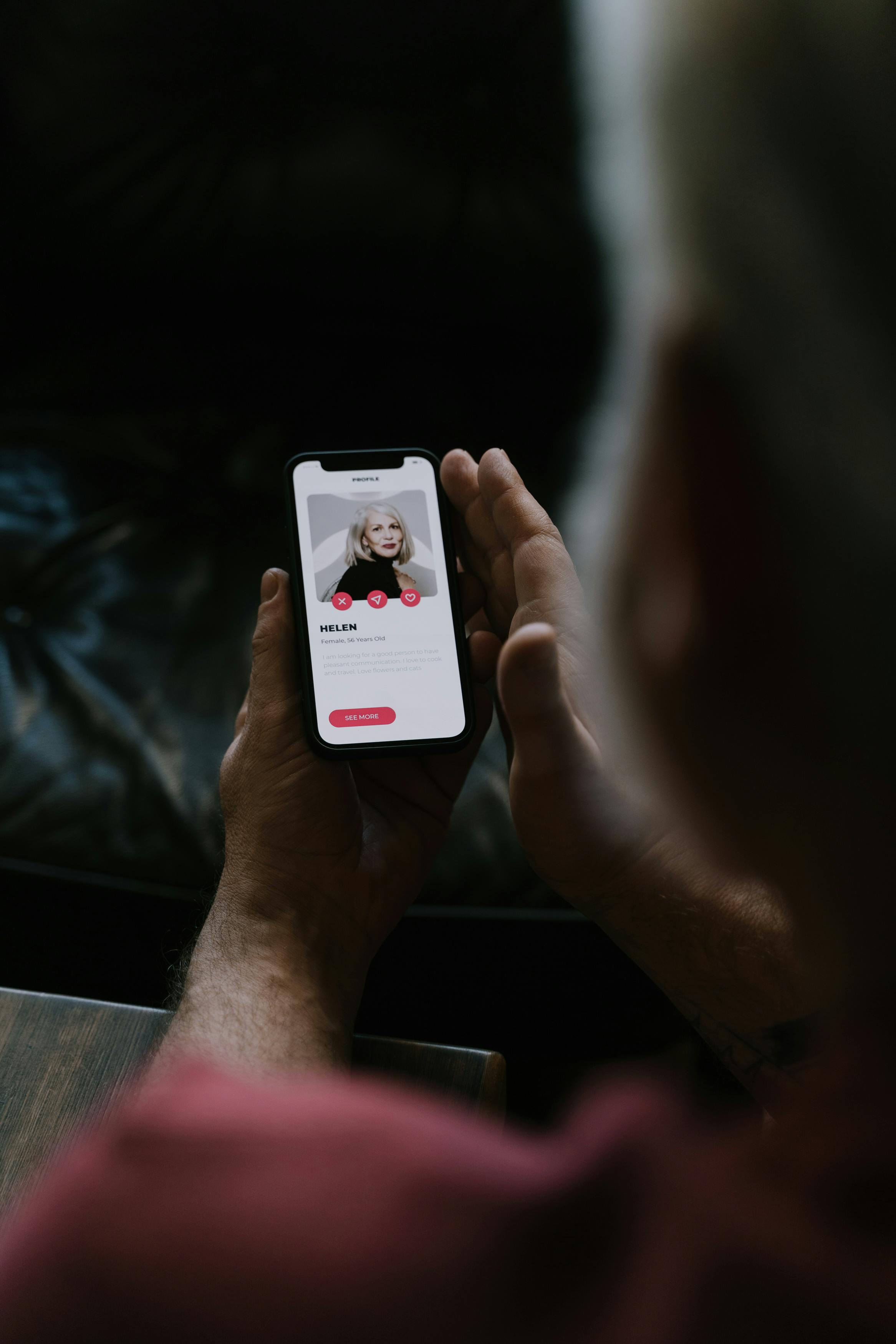
Choremancing: The UX Challenge Dating Apps Didn't See Coming
Key Points
- •Plenty of Fish reported in its latest annual trends report that 42 per cent of UK singles integrate first dates into routine errands.
- •Major online dating platforms including Match Group and Bumble have not adapted their core product designs to accommodate activity-based meetups.
- •Match Group and Bumble have focused recent quarters on AI-powered matching features, while restaurant integrations lose relevance among efficiency-seeking singles.
- •Fitness app Strava currently offers better social infrastructure for gym-focused connections than established mainstream dating applications.
When nearly half of the dating population actively chooses to meet over meal prep rather than cocktails, that's not just a quirky trend—it's a signal that the infrastructure dating apps have spent a decade building may be optimised for the wrong outcome. Post-pandemic dating has seen a steady drift away from performance-heavy dates, but the 42% figure marks a decisive shift that platforms can no longer ignore. The behaviour has moved from fringe practice to mainstream, and it exposes a fundamental misalignment between how apps work and how time-pressed, authenticity-seeking singles actually want to date in 2025.

Dating apps have spent years perfecting the art of facilitating curated, event-based dates—dinner reservations, cocktail bars, the occasional axe-throwing venue. But if users are increasingly opting for supermarket aisles and park runs, the entire UX model needs rethinking. This isn't about adding a "fancy a Tesco trip?" prompt to match suggestions.
The gap between platform design and user behaviour has rarely been this visible. Most dating apps still optimise for discovery and initial matching, then essentially abandon users to figure out the logistics themselves.
The assumption baked into the product is that a "successful" match leads to a planned, discrete date—something scheduled, anticipated, and distinct from everyday life. But choremancing inverts that model entirely. It treats the date as ambient, integrated, and deliberately low-stakes.
Create a free account
Unlock unlimited access and get the weekly briefing delivered to your inbox.
Consider what this means for feature development. Date planning tools, restaurant integrations, and "date night inspiration" carousels all lose relevance when users are meeting at 7am spin classes or splitting a shopping list. The platforms best positioned to capture this shift are those that can facilitate spontaneous, proximity-based connections—which sounds a lot like what Happn tried to build years ago, before the market dismissed it as too niche.
What platforms are getting wrong
The restaurant reservation partnerships that Bumble, Hinge, and others have rolled out over the past few years suddenly look like solutions in search of a problem. These integrations assume that the bottleneck in dating is finding a nice place to eat, when the actual bottleneck may be finding a way to meet someone without the weight of a formal date looming over it.

Plenty of Fish's report frames choremancing as a route to "more authentic connections," citing relationship experts who argue that seeing someone in everyday contexts reveals compatibility faster than a rehearsed dinner conversation. That interpretation is convenient for a platform looking to position itself as anti-superficial, and it's worth noting these claims come from the company's own research and affiliated experts, not independent user outcome data. Still, the logic holds some weight.
A gym session or grocery run strips away the performance layer that many users now associate with dating app culture—the carefully selected outfit, the strategic restaurant choice, the Instagram-worthy backdrop. But there's an alternative read here that's less flattering to the trend: this could simply be time-pressed users optimising their calendars, not revolutionising courtship.
Singles who are already struggling to find time for dating aren't necessarily rejecting traditional dates because they're inauthentic—they're rejecting them because they can't spare three hours on a Wednesday evening.
Choremancing may be less about authenticity and more about efficiency, which raises uncomfortable questions about whether dating apps have made courtship so labour-intensive that users are now hacking around the system entirely.
The feature gap nobody's addressing
If choremancing continues to gain traction, platforms face a design challenge they're not currently equipped to solve. Facilitating spontaneous, activity-based meetups requires real-time location sharing, interest-based filtering beyond the usual hobbies list, and a UX that prioritises immediacy over browsing. That's a significant departure from the swipe-and-message model that still dominates the market.
Bumble's BFF mode and Hinge's "looking for someone to join me for..." prompts gesture towards this, but neither is built for the kind of rapid coordination that choremancing requires. Strava has a better social infrastructure for gym-based connections than most dating apps. That should concern the major platforms, because it suggests they're being outflanked by vertical tools that weren't even designed for dating.

The competitive implications are worth watching. Smaller, activity-first platforms could gain ground if they move quickly to formalise what choremancing singles are already doing informally. Think Strava but with dating intent, or Meetup but for pairs rather than groups. The barrier to entry isn't particularly high, and the behaviour is already validated by POF's data.
Match Group (MTCH) and Bumble (BMBL) have both spent recent quarters talking up AI-powered matching and video features, but neither has addressed the structural mismatch between how their products work and how users are actually choosing to meet. That's a miss, particularly at a time when both companies are fighting to prove they can reignite user growth after years of stagnation.
The broader dating market has been grappling with platform fatigue for at least two years, and much of that fatigue stems from the sense that apps are optimised for engagement rather than outcomes. Choremancing is a user-led workaround—a way to bypass the performance anxiety and time commitment that apps have inadvertently imposed on dating. If platforms don't respond, they risk becoming mere discovery tools whilst the actual relationship-building happens elsewhere, on WhatsApp threads coordinating farmers' market meetups or park runs.
Whether this trend represents a permanent shift or a passing response to economic and time pressures remains to be seen. But at 42% adoption, it's substantial enough that product teams should be sketching out prototypes, not waiting for next year's trends report to confirm it's still happening.
Key Takeaways
- •Dating app operators must redesign user experience models away from traditional swipe-and-message structures towards real-time, proximity-based tools to capture activity-led user coordination.
- •Match Group and Bumble face competitive disruption from non-dating vertical platforms like Strava and Meetup if established operators fail to address user fatigue with labour-intensive date planning.
Frequently Asked Questions
Technology & AI Desk
The DII Technology Desk reports on product, engineering, AI and platform infrastructure across dating and social discovery apps.
Comments
Join the discussion
Industry professionals share insights, challenge assumptions, and connect with peers. Sign in to add your voice.
Your comment is reviewed before publishing. No spam, no self-promotion.