Meet Kinksters' Closure: A Case Study in Niche Dating's iOS Dilemma
Key Points
- •Sex-positive platform Meet Kinksters shuttered 30 months after launching in late 2022, following the sale of its mobile assets to rival application BeeDee.
- •Meet Kinksters and BeeDee were restricted to Android, missing iOS users who represent 45 to 50 percent of high-value US and UK markets.
- •Category leader Feeld claims 10 million global members, compared with Bumble's 50 million monthly active users in the third quarter of 2024.
- •Historical user retention patterns show that fewer than 15 percent of active members migrate to alternative services following a dating platform closure.
Meet Kinksters, a sex-positive dating platform launched in late 2022, shuttered its web presence today after selling its mobile assets to competitor BeeDee earlier this year. The closure comes just 30 months after launch—a lifespan that's becoming disturbingly typical for niche dating platforms, even those serving demonstrably underserved audiences. The company framed the decision as 'strategic' in communications to users, but the timeline tells a different story.
Mobile assets were offloaded to BeeDee first, followed by today's abrupt web shutdown with minimal transition support for remaining users. That's the shape of financial distress, not strategic planning.
This closure is a masterclass in why 'underserved market' doesn't automatically translate to 'viable business'. Kink-focused singles are poorly served by mainstream platforms—Match Group (MTCH) and Bumble (BMBL) both steer clear of explicit sexual content, and moderation policies actively suppress sex-positive language. Yet Meet Kinksters still couldn't make it work.
Create a free account
Unlock unlimited access and get the weekly briefing delivered to your inbox.
The culprit isn't demand; it's the structural barriers that prevent sex-positive apps from reaching the scale needed to survive.
Until those barriers shift—particularly Apple's App Store restrictions—expect more of these closures, no matter how loyal the user base.
The iOS problem nobody's solving
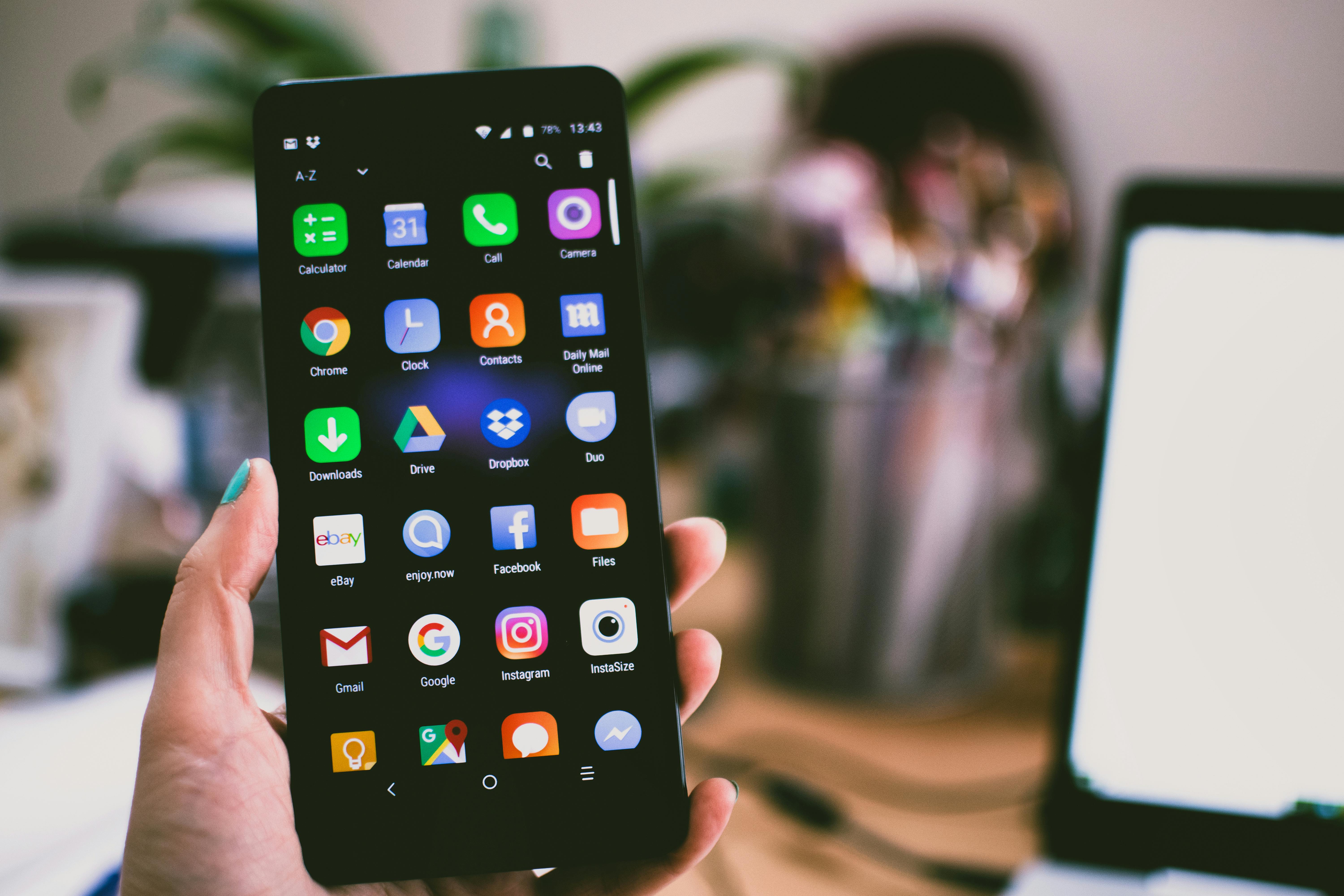
Meet Kinksters never launched on iOS. Neither has BeeDee, the platform now absorbing its mobile users. For context, iOS users represent roughly 27% of the global smartphone market but closer to 45–50% in high-value markets like the US and UK, according to Statcounter data.
Apple's App Store guidelines prohibit apps with 'overtly sexual or pornographic material', a policy that's vague enough to be weaponised against anything more explicit than Tinder's already-sanitised experience. The result is a Catch-22: sex-positive platforms can't access iOS without neutering their value proposition, but they can't reach sustainable scale on Android alone. Feeld, the most successful player in this category, spent years fighting App Store rejections before finally securing approval—a path that required substantial legal and compliance resources most bootstrapped competitors simply don't have.
VCs funding dating apps want to see a path to mainstream scale, and 'Android-only in a sensitive category' is a pitch-killer.
This dynamic doesn't just limit user acquisition. It fundamentally alters investor appetite. Meet Kinksters' inability to crack iOS likely sealed its fate long before today's shutdown.
Consolidation in a crowded field
BeeDee launched in 2023, just one year after Meet Kinksters. Both platforms targeted the same audience—kink-curious and active practitioners seeking explicit connections—with near-identical positioning around sex-positive community and authenticity. That two venture-backed competitors emerged within 12 months to serve what's ostensibly a niche audience speaks to both the market's potential and its fragmentation problem.

The kink and ethical non-monogamy categories have seen a proliferation of specialist platforms over the past five years: #Open, Feeld, Kasual, Wildly, and now BeeDee. Most remain subscale. Feeld, the category leader, claims 10 million members globally—a respectable figure, but still a fraction of Bumble's 50 million monthly active users (BMBL Q3 2024 data).
What's happening here mirrors the broader pattern in dating: a long tail of niche platforms chasing specific audiences, but few achieving the liquidity required for functional marketplaces. Dating is a two-sided network, and members only stay if they find matches. When your addressable audience is pre-filtered to a sexual subculture and then further constrained to Android users, the numbers get thin fast.
Meet Kinksters' sale to BeeDee is consolidation by necessity, not ambition. BeeDee gains a user base without the cost of acquiring them organically, whilst Meet Kinksters' founders exit a business that likely wasn't covering its burn rate.
What happens to the community
The immediate impact falls on Meet Kinksters' web-only users—those who couldn't or wouldn't download the Android app. According to the shutdown notice, these members received minimal advance warning and no automatic migration path to BeeDee. They're left to manually recreate profiles on a new platform, assuming BeeDee's feature set and community culture align with what they valued on Meet Kinksters.
User retention after platform closures is notoriously poor. When dating app Down shut down in 2023, anecdotal reports suggested fewer than 15% of active users migrated to recommended alternatives. The friction of rebuilding a profile, re-establishing connections, and relearning interface patterns is high enough that many simply abandon the category.
The broader risk is concentration. Every niche platform closure pushes more users toward the few remaining survivors—in this case, primarily Feeld. That's not inherently negative; larger platforms offer better liquidity and can invest more in trust and safety infrastructure. But it also means fewer competitive checks, less product diversity, and reduced choice for communities whose needs differ from the majority user base.
There's also the category abandonment question. Some former Meet Kinksters users will migrate to Feeld or BeeDee. Others will return to mainstream platforms, sanitising their profiles to comply with content policies. Still others will exit digital dating altogether, returning to in-person munches and kink events where explicit conversation doesn't trigger algorithmic suppression.
What this signals for specialist platforms
The Meet Kinksters closure should concern any operator building in non-mainstream dating categories. The fundamental challenge—how to reach sustainable scale when platform policies, investor expectations, and network effects all favour mainstream positioning—remains unsolved.
BeeDee's acquisition strategy offers one path forward: buy distressed competitors to consolidate fragmented user bases. But that only works if BeeDee itself reaches viability. The company hasn't disclosed funding or user metrics, and its continued iOS absence suggests it faces the same structural barriers that killed Meet Kinksters.
Watch whether BeeDee secures App Store approval in the next 12 months. That's the clearest signal that sex-positive platforms can find a sustainable model. Without it, expect more consolidation, more closures, and more users pushed back toward platforms that don't actually serve their needs.
Key Takeaways
- •Sex-positive dating operators face severe liquidity constraints when excluded from Apple's App Store, as Android-only reach suppresses user acquisition and deters venture capital funding.
- •Consolidation strategies such as BeeDee acquiring distressed competitors provide temporary user growth, but sustained viability remains improbable without overcoming iOS compliance barriers.
Frequently Asked Questions
Newsroom
The DII Newsroom reports daily breaking news across the global online dating, matchmaking and social discovery industry.
Comments
Join the discussion
Industry professionals share insights, challenge assumptions, and connect with peers. Sign in to add your voice.
Your comment is reviewed before publishing. No spam, no self-promotion.