Greenlight's Real-World Dating Bet: Innovation or Privacy Nightmare?
Key Points
- •Greenlight plans to launch a location-broadcasting beta in Hoboken, New Jersey by the end of November, replacing profiles and messaging with real-time venue check-ins.
- •Pew Research Centre data shows 30 percent of United States adults have used dating apps, although most users prefer pre-meeting filtering and control.
- •Greenlight automatically removes users from its live venue map as soon as they leave a checked-in location to provide a baseline privacy safeguard.
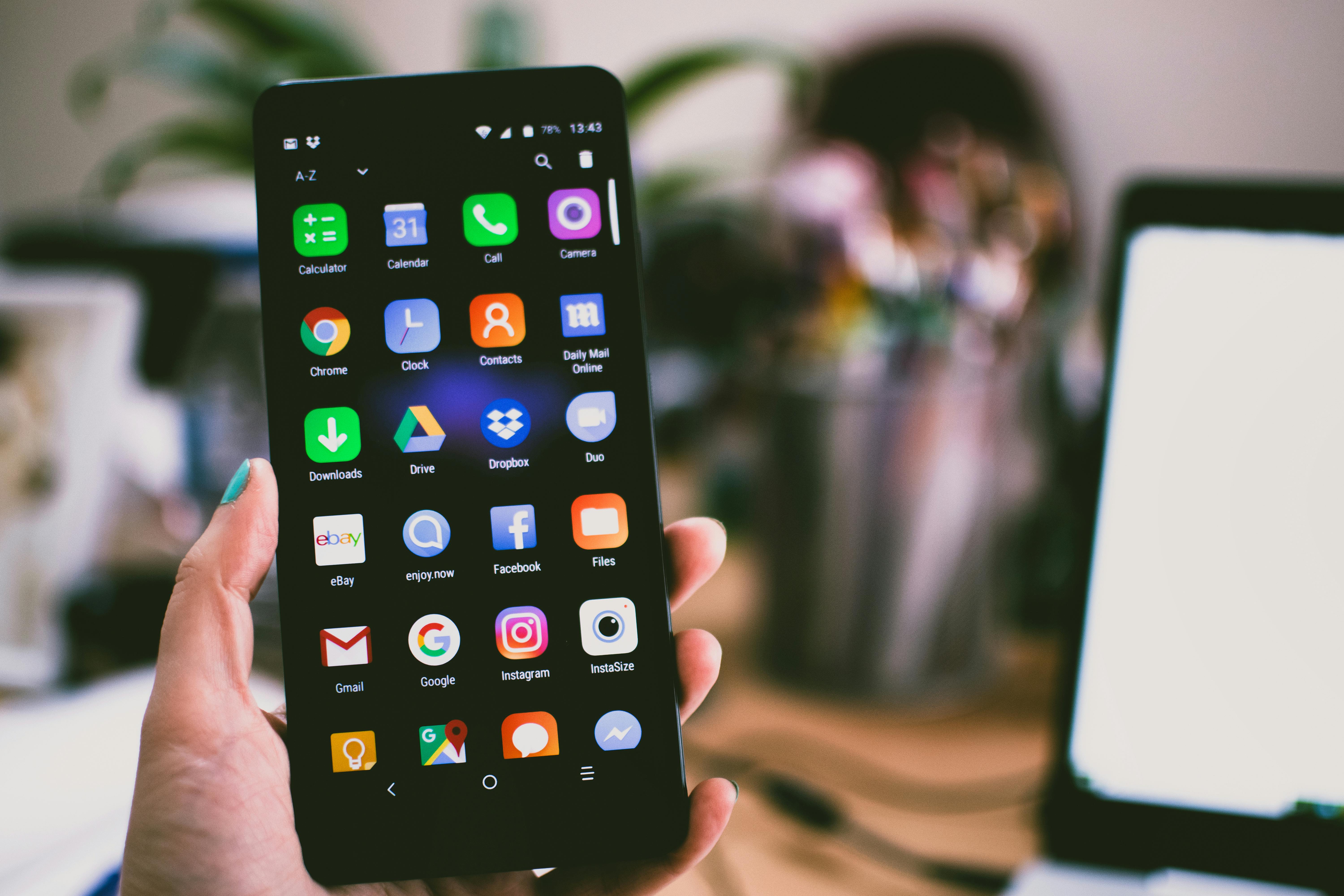
Match Group and Bumble have spent years teaching the market that dating apps are fundamentally messaging platforms. Greenlight, launching in beta by the end of November in Hoboken, New Jersey, thinks they've got it backwards. The app strips out profiles, swiping, and the entire pre-meeting conversation phase, letting users broadcast their real-time location when they check into bars, coffee shops, or restaurants—turning spontaneous availability into the core product mechanic.
The pitch from founders is straightforward: eliminate the multi-week messaging dance that drains users and kills conversion to actual dates. According to the company, users check in when they're already at a venue and open to meeting someone. Others nearby who are also checked in can see them on a map, with auto-removal kicking in when someone leaves the location.
This is either a genuinely different answer to platform fatigue or a privacy minefield dressed up as authenticity. The location-broadcast model might solve messaging burnout, but it creates an entirely new problem: making people—disproportionately women—visibly available for approaches in physical spaces with limited safeguards. Thursday tried to solve app fatigue with time constraints. Greenlight is trying to solve it by making the app a real-world broadcast system.
Create a free account
Unlock unlimited access and get the weekly briefing delivered to your inbox.
Whether that's innovation or a step backwards depends entirely on execution we haven't seen yet.
The critical mass problem nobody's mentioning
Greenlight's model collapses without density. A traditional swipe app can function with a few hundred active users in a city—swipe sessions don't require simultaneity. But Greenlight only works if multiple people check into the same venue at the same time. That's a dramatically higher bar for utility.
The Hoboken launch geography is telling. It's a small, dense city with a concentrated bar and restaurant scene—exactly the conditions where simultaneous check-ins might actually happen. But even there, the chicken-and-egg dynamics are brutal. Early adopters check in, see nobody else at their venue, leave the app.
Compare this to how Happn solved a similar cold-start problem. Happn's passive location tracking meant users could "cross paths" with anyone in their city over days or weeks, building a viable candidate pool without requiring simultaneity. Greenlight has no such buffer. You're either at the same bar right now, or you're not.
The beta timeline itself—"by the end of Fall season," according to founders—suggests either very early-stage development or an awareness that scaling this will be difficult. A single-city beta is standard, but the lack of a firm date raises questions about readiness.
Safety features that don't address the actual safety concerns
The company's positioning emphasises safety as a priority. The primary mechanism disclosed: auto-removal from the map when users leave a venue. That's a privacy feature, not a safety one.
What happens when someone checks in, another user approaches them based on the app, and the interaction is unwanted or escalates? Traditional apps at least gate contact behind mutual matching. Greenlight's model explicitly creates scenarios where strangers approach each other in public based on broadcast availability signals.
The closest analogue isn't Hinge or Bumble—it's Craigslist Missed Connections with geolocation.
For women especially, being marked as "available" in a physical space carries different risk calculus than being visible in an app. A profile can be unmatched. A block works instantly. Someone who's approached you at a bar because you appeared on their map can't be retroactively avoided. The company has disclosed no information about how it will handle in-person harassment that originates from app discovery, whether it will offer panic buttons, or how it plans to verify that users are genuinely at the venues they claim.
Bumble built an entire brand around giving women control of first contact. Greenlight removes that control entirely and relocates the interaction to physical spaces where power dynamics and safety concerns are amplified.
Who this might actually be for
Strip away the framing about "genuine interactions"—a phrase from founders, not a measured outcome—and Greenlight's model might work for a narrow use case. Someone new to a city, sitting alone at a bar, actively wanting to meet people that night. Someone who finds traditional app messaging tedious and prefers the immediacy of in-person conversation. Someone comfortable with cold approaches, both giving and receiving them.
That's not most dating app users. According to Pew Research Centre data, 30% of U.S. adults have used dating apps, but the user experience research that's driven product development at MTCH and BMBL for years points consistently toward user preference for control, filtering, and low-stakes exploration before committing to meeting.
The market opportunity might exist at the margins—a subset of extroverted, socially confident users in dense urban areas with high venue turnover. But the companies that have tried to solve "dating app fatigue" have largely done so by adding constraints (Thursday's one day a week) or specificity (Feeld's non-monogamy focus), not by eliminating pre-meeting vetting entirely.
Where Greenlight could carve out traction is if it positions itself less as a dating app and more as a social discovery tool for people already out at venues. That reframing would lower the stakes, reduce safety concerns, and potentially open the addressable market beyond singles actively dating. But that's not the positioning in current materials.
What operators should watch: whether the Hoboken beta achieves any sustained density at popular venues, and whether the company discloses any data on gender breakdown of active check-ins. If the user base skews heavily male—a likely outcome given safety dynamics—the product won't work even if the technology does. The most interesting question isn't whether Greenlight solves messaging fatigue. It's whether anyone actually wants the problem it's solving. As other new dating apps continue to launch with different approaches to solving user frustrations, and as research shows daters are setting time limits on app use, the industry is clearly in a period of experimentation. The question is whether platforms adapting to new user behaviors will find sustainable models or simply create new problems in place of old ones.
Key Takeaways
- •Dating app operators should monitor Greenlight to evaluate whether replacing messaging with location broadcasting can solve user fatigue or if it creates insurmountable real-world safety risks.
- •Compliance teams and investors must evaluate how Greenlight's location-broadcasting model protects users, particularly women, against in-person harassment without the protective buffers of mutual matching or profile blocking.
Frequently Asked Questions
Financial Intelligence Desk
The DII Financial Intelligence Desk covers earnings, valuations, funding and the financial performance of the global online dating industry.
Comments
Join the discussion
Industry professionals share insights, challenge assumptions, and connect with peers. Sign in to add your voice.
Your comment is reviewed before publishing. No spam, no self-promotion.