iPhone vs. Android: The Status Signal Men Won't Let Go
Key Points
- •A survey of 1,000 American adults by All About Cookies revealed that 23% of iPhone users would reject a romantic partner for using an Android device.
- •Thirty-one per cent of surveyed men stated they would reject a potential partner over phone choice, compared to 16% of women.
- •Match Group generates 39% of its revenue outside North America, whilst Bumble generates 28% internationally, where WhatsApp usage exceeds 85% in Europe.
- •According to the All About Cookies survey, 52% of Android users report being mocked by iPhone owners over their choice of mobile device.
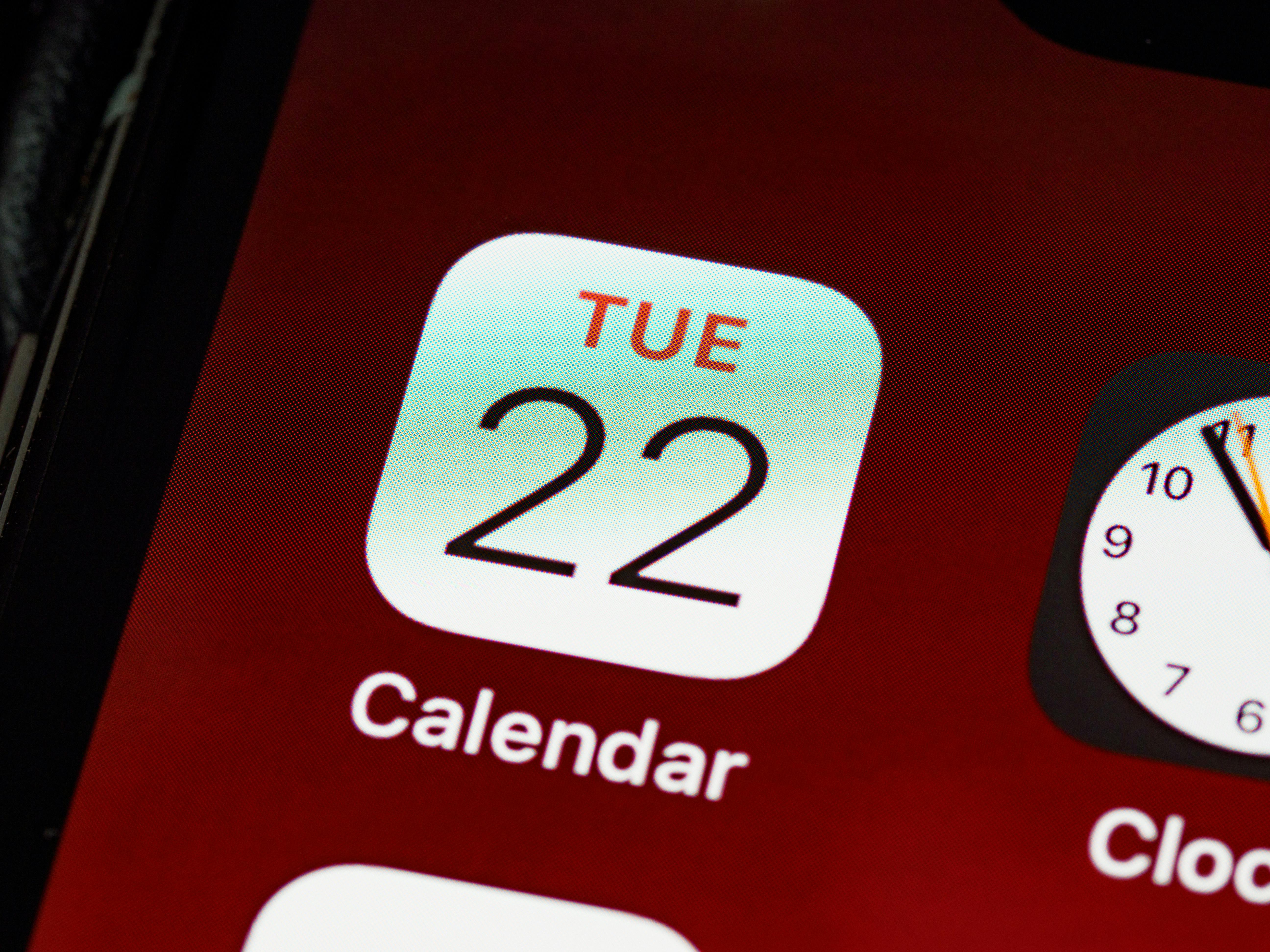
The green bubble has become a red flag—but only for some. According to a survey of 1,000 American adults commissioned by All About Cookies, 23% of iPhone users would consider it a dealbreaker if a romantic partner used Android. That nearly two-to-one gender gap raises an uncomfortable question about what's actually being evaluated here.
This isn't about messaging convenience or app ecosystems. It's about status signalling, and men appear far more invested in policing those signals than women are. For dating operators trying to solve the trust crisis and reduce friction, the finding suggests phone tribalism matters less in practice than in stated preference—but any bias that eliminates nearly a third of potential matches for some users warrants attention.
The green bubble penalty—and who pays it
The iPhone-versus-Android divide only functions as a social marker in the United States, where the absence of iMessage defaults SMS conversations to green bubbles. In the UK and across Europe, where WhatsApp usage exceeds 85% among smartphone owners, the entire premise collapses. Cross-platform messaging works identically regardless of device.
Create a free account
Unlock unlimited access and get the weekly briefing delivered to your inbox.
That geographic specificity matters for dating operators with international footprints. Match Group (MTCH) and Bumble (BMBL) both generate significant revenue outside North America—39% and 28% of total revenue respectively, according to their most recent quarterly filings. A dealbreaker criterion that only applies in one market doesn't reshape global user behaviour, but it does reveal how regionally specific status hierarchies infiltrate romantic decision-making.
The All About Cookies survey also found that 52% of Android users report being mocked by iPhone owners over their device choice. That figure suggests this isn't merely dating preference but broader social stigma bleeding into romantic contexts. When stigma exists in friendship groups and workplaces, it inevitably surfaces in dating environments.
What stands out is how decisively men anchor their rejection criteria to brand affiliation. Women show half the willingness to write off matches based on phone choice.
The gap implies different priorities in evaluating compatibility—or different tolerance for using consumer products as heuristics for class, taste, and belonging.
Status proxies and in-group performance
Device preference as dealbreaker logic follows a familiar pattern in modern dating: using visible consumption choices to screen for socioeconomic alignment. It sits alongside postcode prejudice, car brand judgments, and the minor semiotics of watch choice or coffee order. Men rejecting Android users aren't evaluating operating systems; they're enforcing tribal boundaries and performing in-group loyalty.
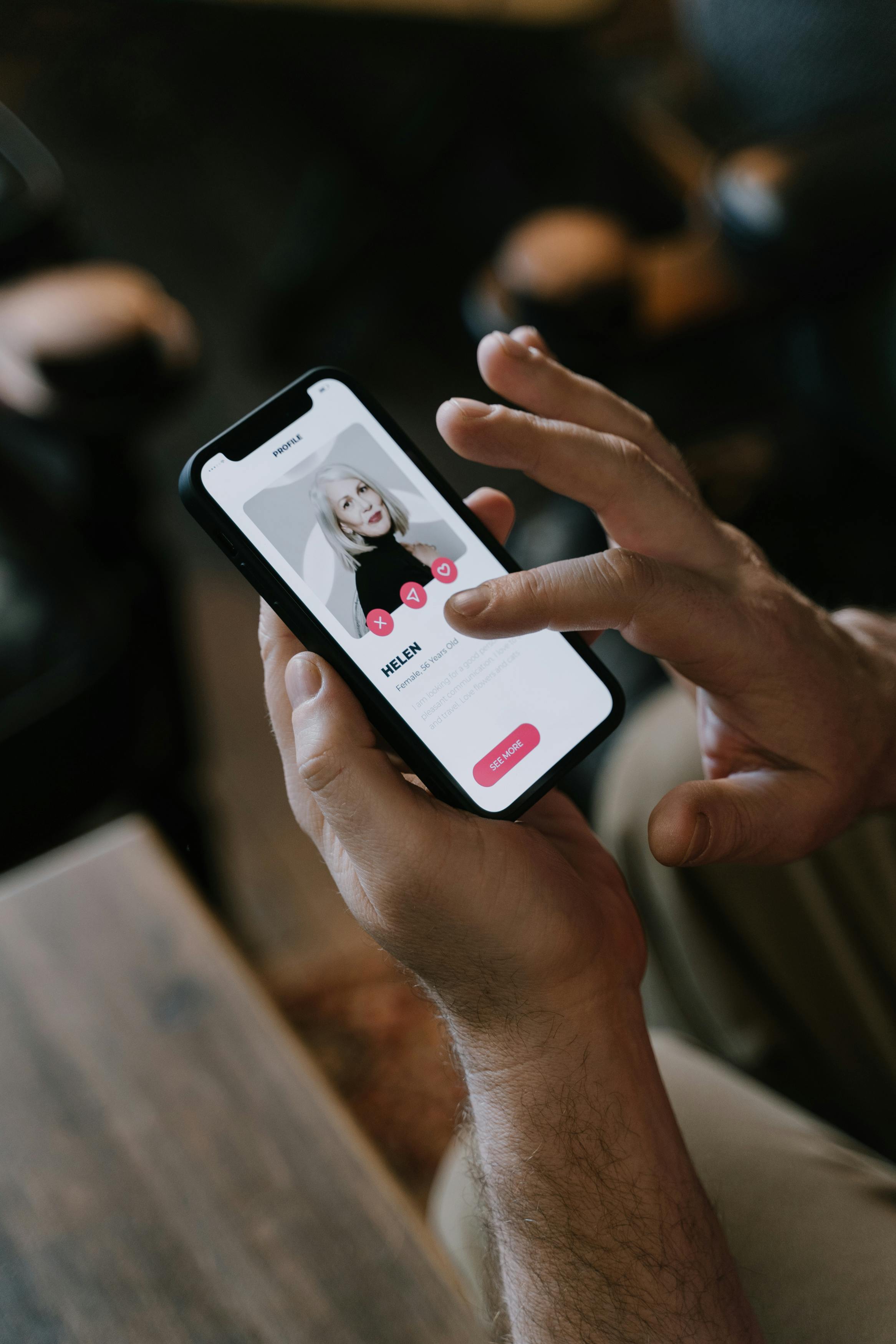
The performance aspect deserves emphasis. Stating a preference for iPhone-using partners signals allegiance to a particular consumer identity and, by extension, a perceived lifestyle and earning bracket. Apple's market positioning as a premium brand makes device choice legible as class signalling in ways that, say, laptop manufacturer preference does not.
That 31% of surveyed men would reject a partner over Android—double the rate among women—suggests men either perceive greater social risk in crossing those boundaries or derive more identity capital from brand alignment. Dating app profiles already function as curated identity performances. Adding device choice to the criteria list just extends that curation into the compatibility filters themselves.
The irony is that much of this posturing may be moot. According to the same survey, 42% of respondents already use third-party messaging apps to avoid compatibility issues.
WhatsApp, Signal, and Telegram erase the green-bubble stigma entirely. If nearly half of users have already opted out of native messaging, the visibility of phone choice diminishes considerably once conversation moves off-platform—which, for dating app users, happens almost immediately.
What dating platforms can—and can't—solve
Operators have limited leverage here. Adding a device-type filter to profile criteria would legitimise tribalism most platforms are actively trying to reduce, not reinforce. Bumble's brand positioning around respect and equity would struggle to reconcile offering a 'No Android users' toggle. Match Group's portfolio spans mass-market to premium tiers, but even Hinge and The League would risk reputational damage by making device preference a formal matching criterion.
The better path is what most platforms already do: move conversation off native SMS as quickly as possible. In-app messaging eliminates the green bubble problem entirely. Where users exchange contact details early—common on Grindr (GRND) and in certain Tinder demographics—the migration to WhatsApp or iMessage happens organically, rendering device choice invisible unless explicitly disclosed.
The broader challenge is that dating apps can't solve for the status anxiety driving these preferences. If 31% of men are using phone choice as shorthand for class, education, or taste alignment, the issue isn't messaging infrastructure. It's that a subset of users are applying consumption-based heuristics to romantic compatibility, and those heuristics will shift to whatever signifier holds cultural capital next.
Platforms can influence which signals users treat as salient—hence the endless debate over verification badges, height filters, and income disclosures. But device tribalism lives outside app ecosystems, shaped by Apple's marketing apparatus and broader cultural narratives about technology and status. Dating operators are observers here, not architects.
The gender gap in phone-based rejection rates will likely persist as long as men derive more social capital from brand performance than women do. Whether that gap narrows depends less on what Bumble or Hinge build and more on whether device choice retains its currency as a class marker. For European operators, the entire phenomenon remains a curiosity with no local analogue. For American platforms, it's another reminder that the signals users bring to dating precede—and often outlast—anything the apps themselves can design away.
Key Takeaways
- •Dating app operators face limited options to address device-based rejection, as implementing hardware filters would validate consumer tribalism and undermine brand positioning on platforms like Bumble and Hinge.
- •Mobile platforms can mitigate green-bubble stigma by driving rapid migration to in-app messaging or third-party applications like WhatsApp, where device choice becomes invisible to matches.
Frequently Asked Questions
Data & Analytics Desk
The DII Data Team maintains the publication's trackers, market data and analytical reference hubs for the online dating industry.
Comments
Join the discussion
Industry professionals share insights, challenge assumptions, and connect with peers. Sign in to add your voice.
Your comment is reviewed before publishing. No spam, no self-promotion.