AI Tools Drain Millions from Dating Apps. Can Platforms Adapt?
Key Points
- •According to research from McAfee, one in four Americans uses artificial intelligence tools to assist with dating application messages and profile content.
- •Third-party artificial intelligence dating assistants charge users between £4.99 and £9.99 weekly for message generation and conversation coaching services.
- •Match Group generated $870 million in direct revenue during Q3 2024, averaging roughly $17 quarterly per paying Tinder user.
- •Emerging dating platforms including Flirtini and Iris Dating have integrated artificial intelligence features directly into their core application functionalities.
Dating platforms are losing hundreds of millions in potential revenue to third-party AI tools whilst simultaneously watching the erosion of the authentic interaction that justifies their entire business model. Recent data suggests more than half of dating app users now rely on AI assistants to craft messages and profile content—a shift that represents both a massive monetisation opportunity and an existential threat to what genuine connection means on these platforms. The issue is thornier than simply bolting ChatGPT onto a chat interface.
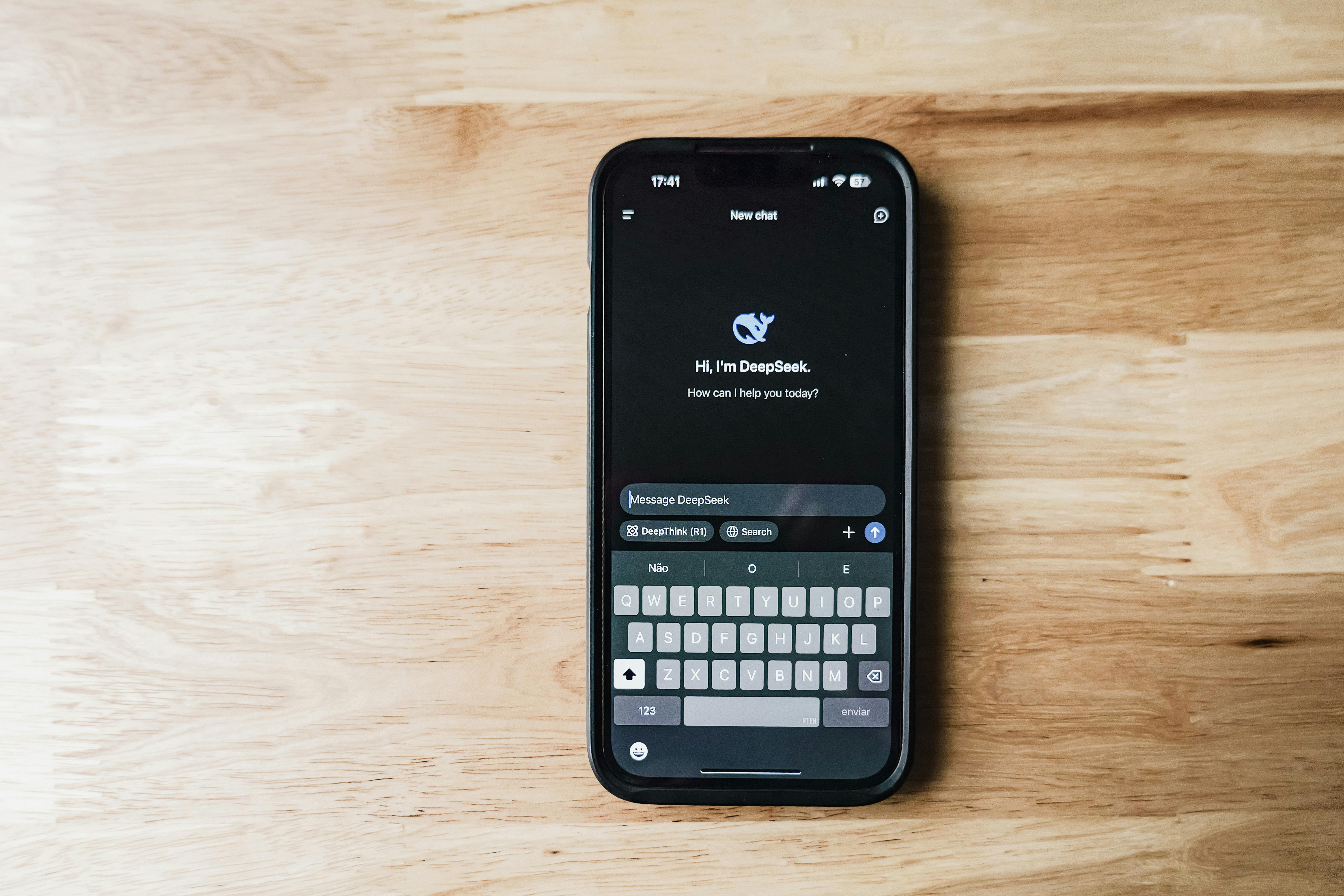
The numbers, whilst preliminary, are striking. Flirtini, an AI-powered dating app, reported in December that 55% of its users deploy artificial intelligence to generate conversation openers and responses. Separately, cybersecurity firm McAfee claimed in November that one in four Americans admits to using AI tools for dating app interactions. These aren't definitive industry benchmarks—the samples are limited and methodology unclear—but they align with what product teams are seeing in user behaviour data: AI adoption in dating is accelerating fast, and platforms haven't decided whether to fight it or profit from it.
Dating apps have spent a decade defending against accusations of gamification, superficiality, and contributing to connection fatigue. AI-generated banter threatens to validate every criticism ever levelled at the industry.
Create a free account
Unlock unlimited access and get the weekly briefing delivered to your inbox.
Dating platforms are caught in a bind entirely of their own making. They've optimised for engagement metrics that reward volume over substance, and now they're shocked that users are automating the tedious parts.
The real question isn't whether AI belongs in dating—it's already there—but whether apps can monetise it before external developers capture all the value. Match Group (MTCH) and Bumble (BMBL) have perhaps eighteen months to integrate AI features that users will pay for, or they'll watch subscribers hand £10 a week to standalone tools whilst cancelling their own premium tiers.
Revenue leaking to third-party tools
The economics are impossible to ignore. Third-party AI dating assistants typically charge £4.99 to £9.99 weekly for unlimited message generation, profile optimisation, and conversation coaching. That's comparable to Tinder Plus (£6.49 weekly in the UK) but positioned as an add-on rather than a replacement. Users are demonstrably willing to pay for AI assistance—they're just not paying the platforms.
For context, Match Group disclosed $870M in direct revenue during Q3 2024, with average revenue per payer hovering around $17 quarterly for Tinder. If even 20% of Tinder's estimated 10M subscribers are using third-party AI tools at £8 weekly, that's roughly £665M annually flowing to external developers. Bumble, with 4M paying users according to its Q3 report, faces a proportional haemorrhage.
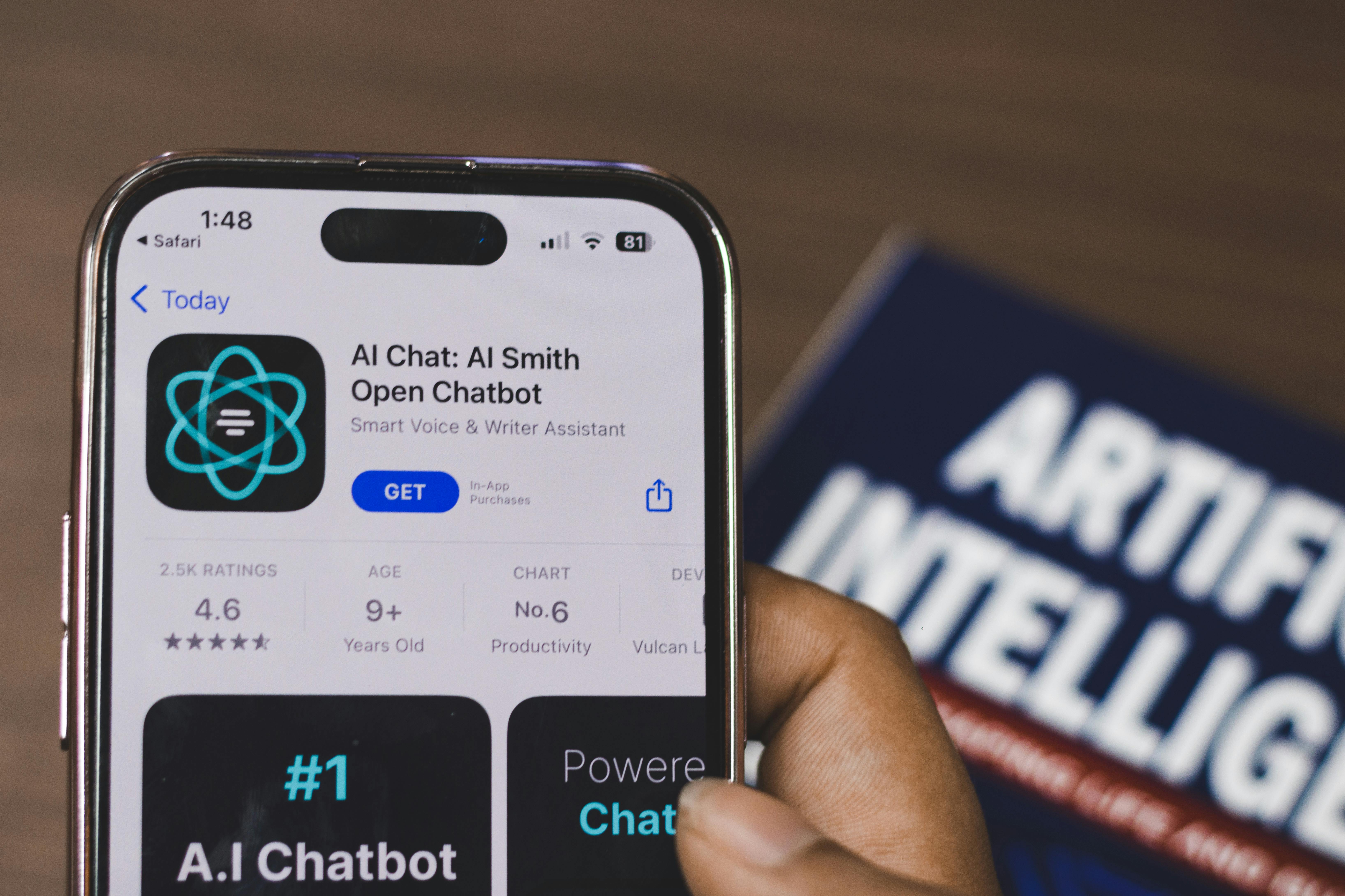
The integration path seems obvious: bundle AI writing assistance into premium tiers, charge a modest premium, and recapture the revenue. Yet neither Match Group nor Bumble have announced meaningful AI monetisation features beyond experimental chatbots and photo enhancement tools. Hinge teased AI-powered conversation starters in September but hasn't commercialised them. Grindr (GRND) mentioned exploring AI in its Q2 earnings call but offered no specifics.
The delay reflects genuine strategic paralysis. Dating platforms built their brands on facilitating authentic human connection. Officially endorsing AI-written messages requires admitting that authenticity was always negotiable—a tough sell when trust and safety is already your biggest reputational liability.
The authenticity paradox
What happens when both parties in a conversation are using AI to communicate? The question sounds rhetorical until you consider that it's likely already happening millions of times daily. Two large language models flirting with each other whilst their human principals swipe through other profiles creates an absurdist layer of automation that makes a mockery of 'getting to know someone'.
Platforms have historically struggled with inauthenticity at scale—catfishing, bot accounts, romance scams. According to the UK Online Safety Act (OSA) framework, operators bear legal responsibility for harmful content generated on their platforms. If a user deploys AI to manipulate or deceive another member, liability questions become significantly murkier. Does the platform's duty of care extend to policing AI-augmented deception?
If AI primarily helps male users overcome initial conversation barriers, it doesn't address underlying skill gaps—it masks them. The inevitable in-person meeting exposes the gap between AI-polished chat and actual social capability, potentially accelerating the disillusionment cycle that drives churn.
The gender dynamics add another dimension. According to the McAfee research, men are significantly more likely than women to use AI dating assistants, though the report didn't quantify the gap. This tracks with existing usage patterns: men send more messages, face lower response rates, and are likelier to pay for features that improve match conversion. AI tools marketed as solving the 'numbers game' naturally appeal to the demographic already treating dating as one.
What platforms are actually building
Match Group has been notably cautious. CEO Bernard Kim told investors in November that the company is 'exploring AI thoughtfully' but emphasised that 'human connection remains central'. Translation: they haven't figured out how to monetise it without alienating the user base that still values authenticity, however notional.
Bumble appears slightly bolder. CEO Lidiane Jones mentioned in the Q3 earnings call that AI could help users 'communicate more effectively', though no product timeline emerged. The company's opening line prompts and conversation starters edge towards AI territory without explicitly branding them as such—a hedge that lets Bumble test user acceptance without committing.

Grindr's advantage is cultural. The app's users have always been more transactional and efficiency-focused than heterosexual platforms. Integrating AI tools that streamline hookup logistics would likely face less resistance there than on apps positioning themselves as relationship-focused.
The platforms moving fastest are newer entrants with less brand equity to protect. Flirtini explicitly markets its AI features as core functionality. Iris Dating, launched in late 2024, uses AI to conduct initial screening conversations before connecting users. These startups are treating AI as a feature, not a bug—betting that younger users care more about efficiency than performative authenticity.
The competitive risk is that mainstream platforms wait too long, assuming brand loyalty will insulate them from disruption, only to discover that users prefer apps designed around AI from the ground up rather than bolted onto legacy architecture. It's the classic innovator's dilemma, playing out in real-time across an industry already navigating brutal valuation compression and slowing user growth.
The next twelve months will clarify whether AI-powered tools emerging as digital wingmen represent a monetisable feature layer or the catalyst for a wholesale platform rethink. What's already certain is that the version of 'authentic connection' dating apps sold investors in 2019 is dead. The question is whether they can sell a new version before someone else does.
Key Takeaways
- •Dating application operators risk losing substantial subscription revenue to external developers unless they quickly commercialise proprietary artificial intelligence tools within premium membership tiers.
- •Compliance teams must prepare for emerging regulatory obligations under the UK Online Safety Act regarding user deception and duty of care from automated messaging.
- •Investors should monitor whether legacy platforms like Match Group can overcome brand authenticity concerns faster than native artificial intelligence startups capture market share.
Frequently Asked Questions
Data & Analytics Desk
The DII Data Team maintains the publication's trackers, market data and analytical reference hubs for the online dating industry.
Comments
Join the discussion
Industry professionals share insights, challenge assumptions, and connect with peers. Sign in to add your voice.
Your comment is reviewed before publishing. No spam, no self-promotion.