Walnut's Therapy Homework: A Retention Killer in Disguise?
Key Points
- •Match Group generated $911M in Q4 2024 revenue, despite declining user sentiment among younger cohorts across competing dating platforms.
- •Former Amazon employee Richa Raval launched Walnut, requiring users to complete daily emotional intelligence lessons before accessing matches.
- •Walnut has not published user completion rates or retention metrics to prove that mandatory therapy modules improve dating outcomes.
- •Walnut delivers content on psychological trauma and attachment theory without disclosing clinical oversight from licensed psychologists or therapists.
Walnut, a dating app launched this month by former Amazon employee Richa Raval, has introduced a radical barrier to entry: users must complete daily lessons on emotional intelligence and attachment theory before they can access the matching pool. It's a design choice that positions therapy homework as the price of admission to dating, forcing users to demonstrate readiness rather than simply swiping. The company also plans to expand into physical spaces, though details remain vague.
This is friction masquerading as product differentiation. Requiring users to complete daily therapy lessons before they can date isn't solving the industry's quality problem—it's adding a homework barrier that will drive most users straight back to Hinge. The underlying assumption—that knowledge of attachment theory translates into better dating behaviour—remains unproven, and locking core functionality behind educational modules is more likely to kill retention than improve match outcomes.
The anti-swipe apps keep multiplying, but none have cracked scale
Walnut joins a growing roster of 'slow dating' and 'anti-swipe' apps attempting to position themselves as the thoughtful alternative to Match Group and Bumble products. Thursday, Hinge's 'designed to be deleted' positioning, Once, The League's vetting model—all promise quality over quantity. Few have managed to convert that promise into sustainable businesses at meaningful scale.
Create a free account
Unlock unlimited access and get the weekly briefing delivered to your inbox.
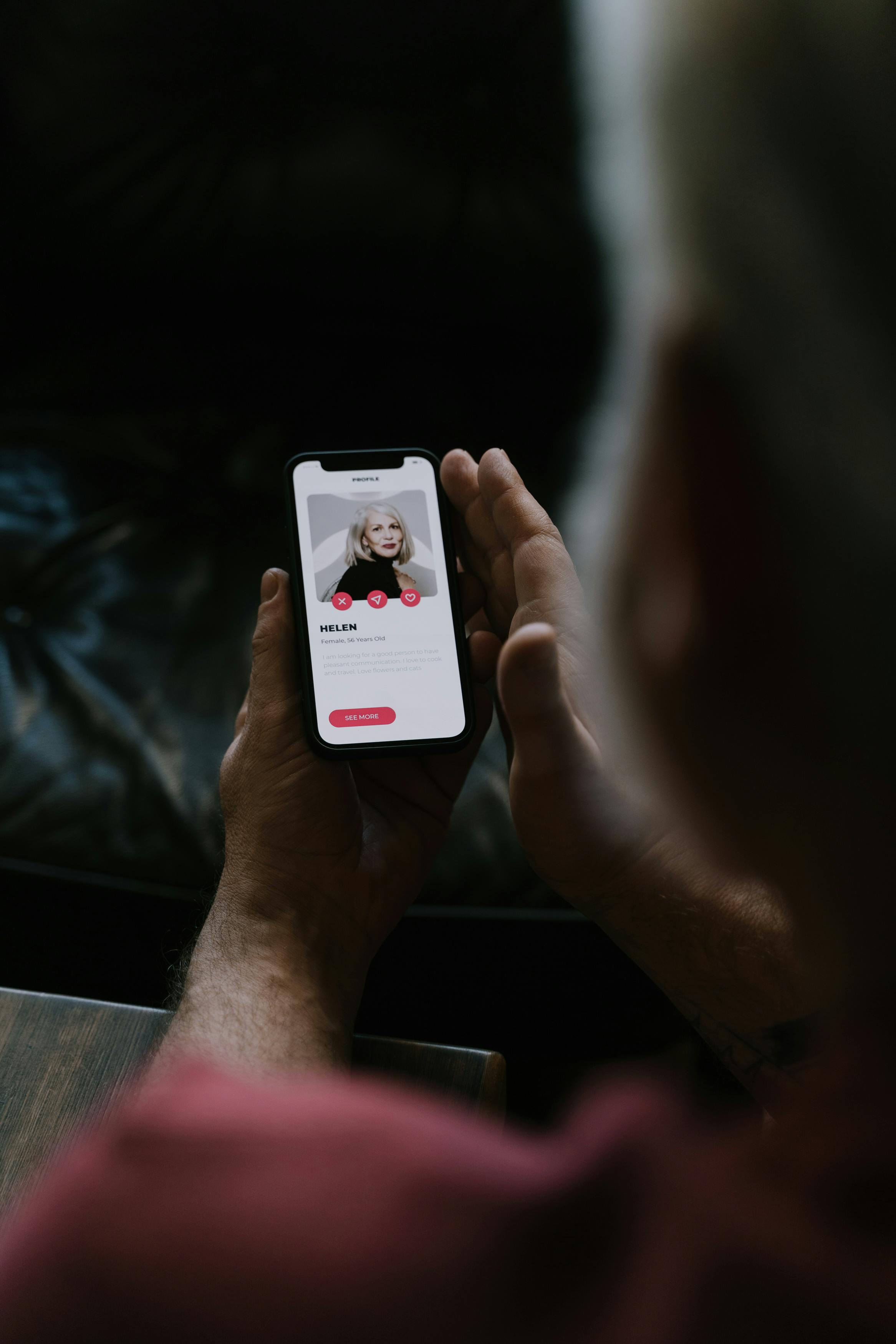
The challenge isn't philosophical. Users say they want better matches and deeper connections, according to virtually every dating app survey conducted in the past five years. But revealed preference tells a different story.
Hinge, which already incorporates prompts designed to surface personality and values, remains the closest thing to a breakout 'quality-first' product—and it works because it doesn't require users to sit through lessons before they can start matching. Walnut's approach assumes the problem is user readiness rather than platform design. That's a significant bet.
Operators who've tried to add friction—whether through mandatory profile reviews, delayed messaging, or limited daily likes—have learned that dating app users have extraordinarily low tolerance for barriers between download and dopamine hit.
The apps that survive are those that reduce friction, not add it. The company hasn't disclosed user numbers, retention rates, or completion rates for the educational modules. Without that data, it's impossible to assess whether anyone is actually sticking around past day three.
Clinical oversight questions and the wellness-dating hybrid problem
Raval's background is in finance and operations, not psychology or therapy. That's not disqualifying—plenty of successful dating app founders come from non-psychology backgrounds—but it raises questions about clinical oversight when an app is delivering content on trauma, attachment issues, and emotional regulation. The company hasn't disclosed whether licensed therapists or clinical psychologists were involved in developing the modules, despite the app positioning education as central to its value proposition.

This matters particularly for trust and safety teams across the industry. Dating apps are increasingly expected to address mental health impacts, especially as regulators like the UK Online Safety Act and advocacy groups push platforms to consider psychological harm in their duty of care obligations. An app that explicitly deals with attachment and trauma without clear clinical governance could face scrutiny if users report negative experiences or feel the content misrepresents therapeutic advice.
The plan to expand into physical 'relationship labs' and restaurants echoes previous attempts to blend wellness, community, and dating. Bumble experimented with branded spaces and events. The League ran in-person mixers. Pure Sweat, a fitness-dating hybrid, tried to build community around workouts.
The track record is mixed at best. Physical spaces require capital, operate at fundamentally different unit economics than apps, and rarely produce the community stickiness founders hope for. More often, they become marketing exercises that don't materially shift user behaviour or retention on the core product.
The AI compatibility claim without the evidence
Walnut also touts AI-powered compatibility scoring based on users' progress through the educational modules. The suggestion is that the app can assess emotional readiness and match users accordingly—a more sophisticated approach than filtering by height and proximity. But compatibility algorithms are only as good as the inputs and the outcomes they optimise for.
Every major dating app already uses some form of machine learning to surface potential matches. Hinge's 'Most Compatible' feature, for instance, uses collaborative filtering based on user behaviour. OkCupid built its brand on compatibility percentages derived from question responses. None have definitively solved for relationship outcomes, in part because apps can't control what happens after two people match.
Walnut's edge, in theory, is that it's assessing emotional intelligence and relationship skills rather than just preferences and behaviour—but the company hasn't published any data demonstrating that users who complete more lessons go on to form better relationships.
The company hasn't clarified how the AI weighs module completion against other compatibility factors. Without that evidence, the AI claim is speculative—standard for an early-stage app, but worth flagging for operators watching the space.
What this signals about the industry's quality problem
The proliferation of apps like Walnut reflects genuine frustration with the incumbent model. Match Group's dating app portfolio brought in $911M in Q4 2024, according to the company's most recent earnings report, but user sentiment—particularly among younger cohorts—has soured on the swipe-and-scroll experience. The question is whether the answer is more friction or better design within the existing low-friction model.
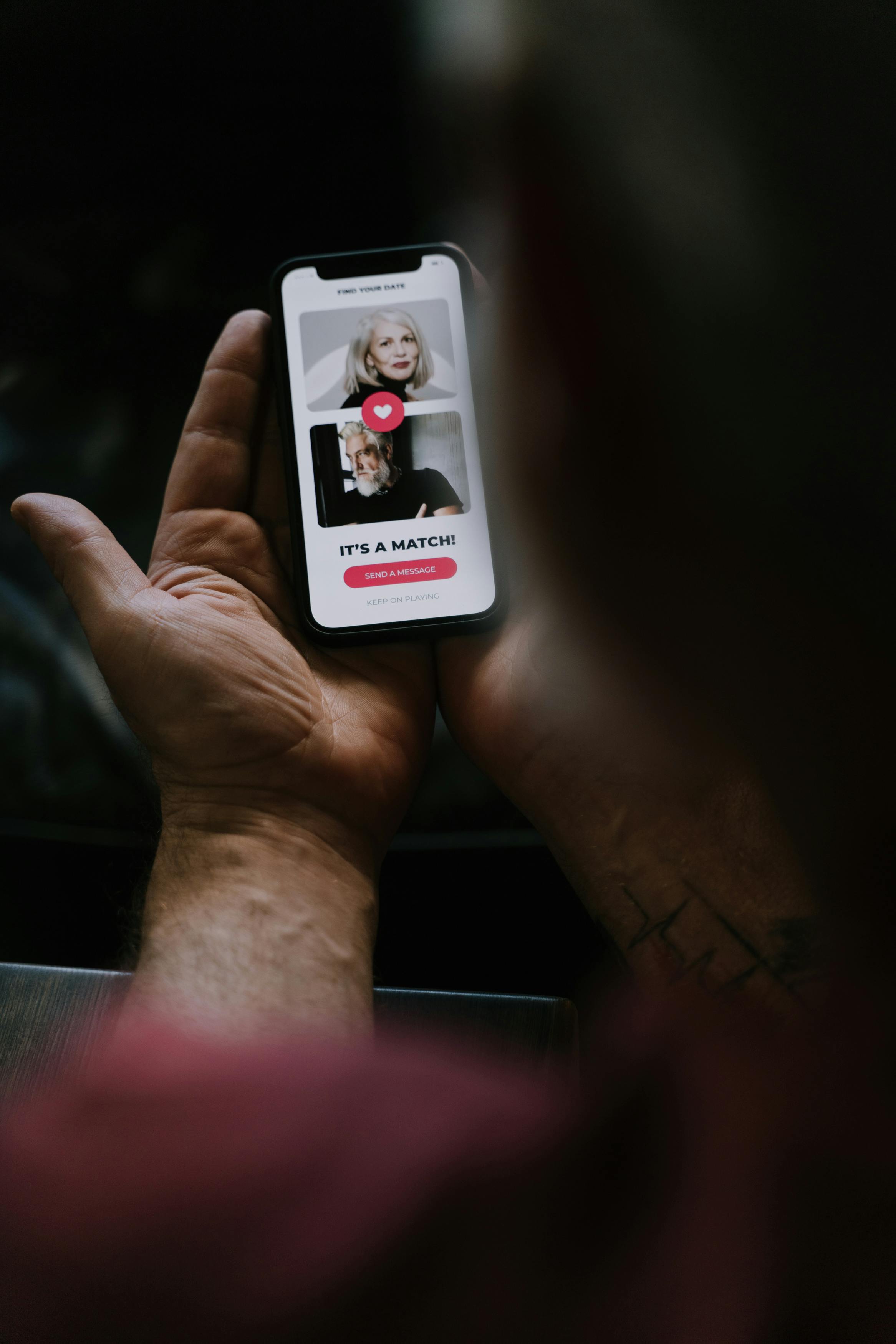
Operators know that dating apps face a structural tension: the product works best when it gets users into relationships and off the platform, but the business model works best when users stay subscribed for months. Apps that try to resolve this by adding educational layers or mandatory waiting periods are betting that users value self-improvement enough to tolerate delays in gratification. That's a hard sell in a market where Tinder and Hinge are one tap away.
Walnut's real test won't be whether the modules are well-designed or whether the AI is sophisticated. It will be whether users who download the app actually complete day two, then day seven, then day thirty—and whether the friction produces better outcomes or just smaller cohorts. For now, the industry's quality problem remains unsolved, and adding therapy homework to the onboarding flow looks less like a solution than a feature that assumes users will tolerate what they've consistently shown they won't.
Key Takeaways
- •Dating app operators should note that mandatory educational friction risks driving user churn toward lower-friction platforms such as Hinge and Tinder.
- •Compliance teams must evaluate whether providing psychological advice without clinical governance exposes platforms to scrutiny under frameworks like the UK Online Safety Act.
- •Investors should demand day-seven user retention data before funding slow-dating applications that rely on unverified AI compatibility claims.
Frequently Asked Questions
Technology & AI Desk
The DII Technology Desk reports on product, engineering, AI and platform infrastructure across dating and social discovery apps.
Comments
Join the discussion
Industry professionals share insights, challenge assumptions, and connect with peers. Sign in to add your voice.
Your comment is reviewed before publishing. No spam, no self-promotion.