

Tinder's TikTok Play: Sentiment Shift or Just Smoke and Mirrors?
Key Points
- •Tinder's share of Match Group total revenue fell from 48 percent in 2022 to 42 percent in 2024 alongside continued membership declines.
- •Match Group increased brand marketing spend from $45 million in 2023 to $60 million in 2024 to fund campaigns such as TikTok influencer partnerships.
- •Total paying users across Match Group platforms declined by 6 percent year-on-year to 10.4 million in the most recent earnings report.
- •According to Pew Research Centre data from 2023, 60 percent of American adults under 30 who used dating apps felt frustrated by the experience.
Match Group's Tinder claims its TikTok influencer strategy is reversing negative brand sentiment among young users, according to a brand sentiment study the company commissioned and shared exclusively with Axios. The timing is convenient given Match reported another quarter of membership declines, with Tinder's revenue share sliding steadily. The company has not disclosed methodology, sample size, or whether sentiment shifts correlate with actual downloads or paying subscribers.
Match has not shared the study publicly beyond selected data points given to one outlet. The company says paid influencer partnerships on TikTok are making the app more appealing to Gen Z users who had written off the platform as superficial or exhausting. Management acknowledged persistent weakness in its largest market during February earnings.
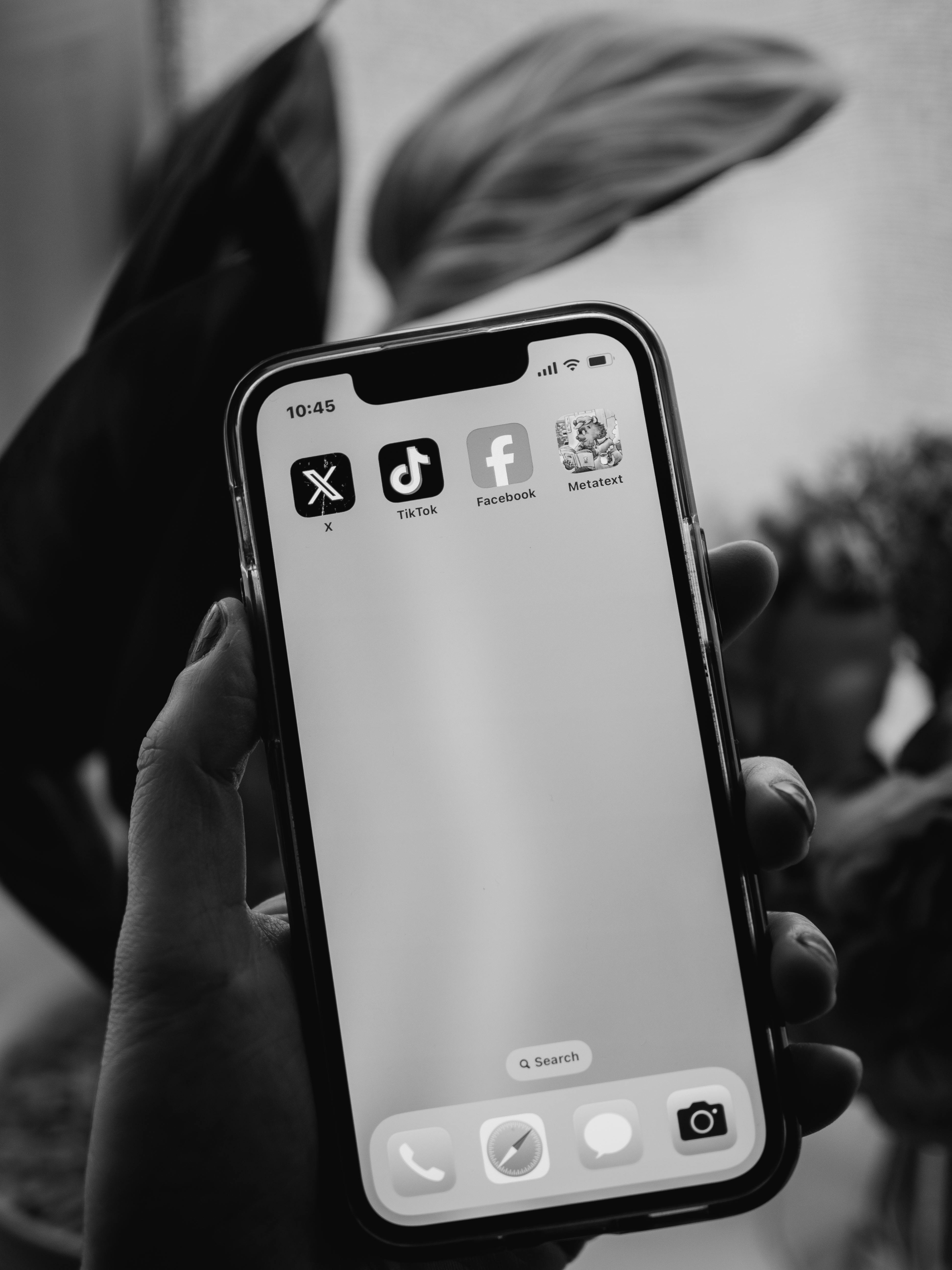
This is marketing dressed up as evidence. Tinder is using its own research to claim victory in a campaign designed to address a problem that goes far deeper than brand perception. If the fundamental issue is swipe fatigue and the commodification of dating, then paid TikTokers posting sponsored content about how Tinder 'isn't that bad anymore' solves precisely nothing.
Create a free account
Unlock unlimited access and get the weekly briefing delivered to your inbox.
Show us retention data, show us resubscription rates, show us time spent in-app. Sentiment studies don't pay the bills.
What Match is attempting here represents a tactical shift for the dating category. The industry built its credibility on user-generated success stories—real couples, organic testimonials, wedding photos sent to customer service. Paid influencer advocacy is different. It externalises the marketing function to creators whose job is to make products look appealing, not to solve the structural issues driving users away.
The question isn't whether influencers can shift sentiment in a brand tracking study. The question is whether sentiment was ever the problem.
The product complaints remain unaddressed
Gen Z criticism of dating apps centres on experience, not perception. According to Pew Research Centre data from 2023, 60% of American adults under 30 who have used dating apps say the experience left them frustrated, and 45% say it made them feel more pessimistic about dating. These aren't branding issues. They're product issues.
The complaints are structural: endless swiping with minimal matches, matches that don't respond, conversations that go nowhere, profiles that feel performative rather than authentic. Tinder introduced features meant to address some of this—profile prompts borrowed from Hinge, video profiles, identity verification—but none fundamentally change the core interaction model that users say exhausts them.
Influencer content can reframe how people talk about Tinder. It cannot change what happens when they open the app.
Match management has acknowledged the engagement problem. On the February earnings call, CEO Bernard Kim said Tinder was prioritising 're-engaging lapsed users' and improving 'the quality of the member experience'. He did not quantify success on either front. Tinder's product roadmap includes AI-driven photo selection and an AI chatbot for profile optimisation, both designed to improve match rates, though these features are not yet widely available.
Influencers as the new trust signal
What Tinder is banking on is that influencers function as trust brokers for an audience that distrusts traditional advertising. The logic holds in other categories—beauty, fashion, even finance. A creator with 500,000 followers saying 'I tried this and it actually works' carries more weight than a display ad ever could.
Dating is different. The product is inherently personal and variable. One user's positive experience says nothing about another's likelihood of success, particularly on a platform where outcomes depend on attractiveness signals, geography, and the availability of compatible matches within a given radius. An influencer can say Tinder is good but cannot make your match queue better.
The strategy also assumes that brand perception was the barrier. For some users, it likely was—if everyone in your social circle calls dating apps a waste of time, you're less likely to download one. But for users already on the platform who stop using it, the problem isn't what their friends think. It's what they experienced.
Bumble tried a version of this in reverse. Its 'Find Them on Bumble' campaign in 2023 featured real couples who met on the app, positioning them as accessible aspirational figures rather than celebrities. The campaign targeted brand rehabilitation after backlash to billboards that seemed to mock celibacy. Bumble's Q4 results showed paying users down 4% year-on-year.
Grindr has largely avoided influencer marketing in favour of IRL activations—parties, Pride sponsorships, community events. Its user base grew 21% year-on-year in Q4 2024, though revenue growth is slowing. The difference is product-market fit for its core audience, not marketing tactics.

What the numbers aren't showing
Tinder has not disclosed what 'improved sentiment' translates to in user behaviour. Match's most recent earnings showed total paying users across all brands down 6% year-on-year to 10.4 million. Management attributed declines to 'ongoing headwinds' in Western markets, particularly among younger users.
If influencer marketing is working, it should show up in cohort retention data—are users who downloaded after seeing a TikTok campaign sticking around longer than those who didn't? Are they converting to paid at higher rates? Match has not shared this data, and the Axios piece did not include it.
The company is spending on the strategy. Match disclosed $60M in 'brand marketing' investment across its portfolio in 2024, up from $45M the prior year. It did not break out how much went specifically to influencer partnerships or to Tinder versus other brands.
What Match is likely measuring—and what it is trying to influence—is consideration. If fewer young people are willing to download a dating app at all, that's a top-of-funnel problem that influencer content can theoretically address. But consideration without conversion is just awareness spend. The industry's problem isn't that Gen Z doesn't know about Tinder. It's that they tried it and left.
The risk for operators is that this becomes the playbook by default—throw marketing budget at a product problem and hope brand rehab translates to growth. It won't. If the core experience remains unchanged, no amount of TikTok testimonials will matter once users log in. Sentiment shifts tracked in brand studies are not retention. They are not revenue. Match reports Q1 earnings in early May. That's where we'll see whether sentiment translates to anything that actually matters.
Key Takeaways
- •Dating app operators risk failing to improve retention when substituting brand sentiment marketing campaigns on social media for fixes to fundamental product experience issues.
- •Investors should scrutinise whether influencer marketing campaigns convert top-of-funnel consideration into long-term paying subscribers and cohort retention when Match Group reports Q1 earnings in May.
Frequently Asked Questions
Financial Intelligence Desk
The DII Financial Intelligence Desk covers earnings, valuations, funding and the financial performance of the global online dating industry.
Comments
Join the discussion
Industry professionals share insights, challenge assumptions, and connect with peers. Sign in to add your voice.
Your comment is reviewed before publishing. No spam, no self-promotion.


