QuackQuack's Election Data: Political Alignment as India's New Dating Filter
Key Points
- •During the 2024 Lok Sabha elections, 17 per cent of QuackQuack users in India ended matches specifically over political disagreements with potential partners.
- •Indian dating platform QuackQuack reported a 35 per cent increase in election-related conversations during the 2024 Lok Sabha election period.
- •QuackQuack recorded a 22 per cent average drop in user login activity on Indian polling days compared to typical weekday usage patterns.
- •According to QuackQuack data, 12 per cent of Indian users over 30 years old consider political stance important when selecting a partner.
India's dating app users are filtering for more than good jobs and compatible horoscopes. Political alignment is increasingly functioning as dating criteria in India's digital matchmaking market, joining the more traditional filters of caste, religion, and family background that have long structured Indian relationship formation. For operators, this represents both a product opportunity and a moderation challenge—one that Western platforms have been grappling with since Brexit and Trump's 2016 victory.
When nearly one in five users actively unmatch over politics, ideology is functioning as a compatibility metric with measurable behavioural impact.
The interesting question is whether Indian platforms will productise this—as Bumble and Hinge have in Western markets—or whether the sectarian minefield of Indian politics makes explicit political filters too risky to build. Either way, ignoring the trend leaves money on the table.
What QuackQuack's data actually shows
The 35% increase in political conversations is the headline figure, but it lacks critical context. QuackQuack hasn't disclosed what baseline it's measuring against, nor whether the comparison is year-on-year or aggregated across a five-year period. India's 2019 election was also politically charged; if conversations rose 35% from that peak, it's significant.
Create a free account
Unlock unlimited access and get the weekly briefing delivered to your inbox.
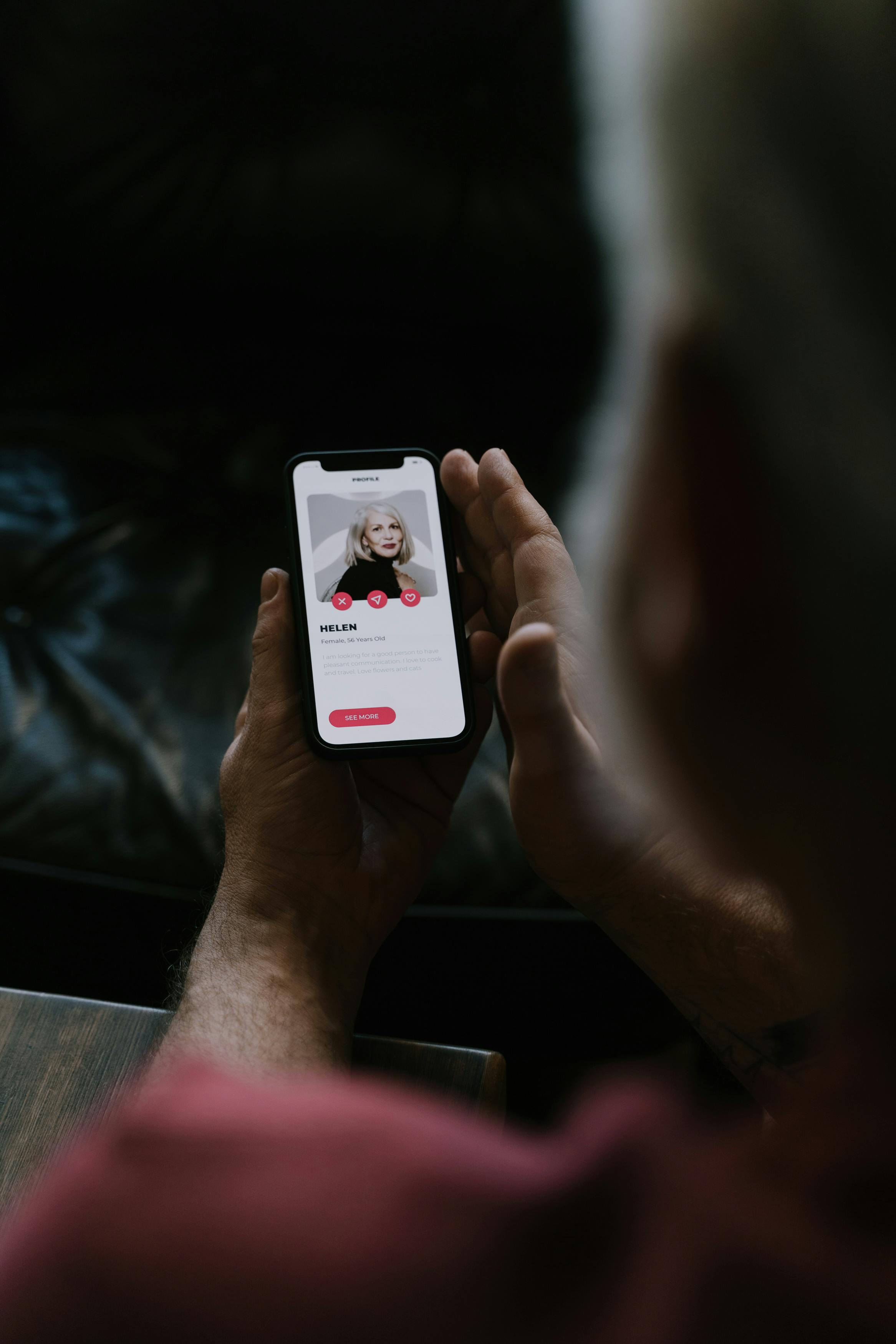
More concrete is the unmatch data. Seventeen per cent of users reporting that they've ended a match over political differences during the election period represents active selection behaviour, not passive conversation. QuackQuack also claims that polling days saw login activity dip by 22% on average compared to typical weekday patterns.
The demographic split adds texture. According to QuackQuack's data, 12% of users over 30 stated that political stance had become important in their partner selection. That figure seems modest until you consider India's marriage market context, where family approval, financial stability, and community standing have historically overshadowed personal political beliefs.
The company didn't break out figures for under-30s, which would clarify whether this is a generational divide or a market-wide recalibration. Given that younger Indians are driving dating app adoption—and that they're more likely to prioritise individual compatibility over familial preference—the omission is notable.
How this compares to Western precedent
Political filters have become table stakes on US and UK platforms. Bumble added political badges in 2020. Hinge followed with prompts specifically designed to surface political leanings. These features emerged after electorally and culturally polarising events made political alignment a non-negotiable for a vocal segment of users.

But India's political landscape isn't a direct analogue. Western platforms navigate a broadly binary left-right spectrum. India's electoral politics involve caste, language, regional identity, religious nationalism, and economic ideology in a multi-party system where coalitions are the norm.
Build a feature that lets users filter by party affiliation, and you're wading into communal territory that could trigger regulatory scrutiny or brand damage.
QuackQuack hasn't introduced explicit political filters, according to publicly available product information. Neither have the international platforms operating in India. That caution is defensible. The risk isn't just user backlash—it's becoming a lightning rod in a market where platforms are already under pressure over content moderation, data localisation, and competition law.
The operator calculus
For Indian dating operators, the strategic question is whether to surface political alignment as a feature or let users self-select through bios and conversation. The former drives engagement and match quality; the latter avoids making the platform itself a political actor.
The engagement case is straightforward. If 17% of users are unmatching over politics anyway, friction is already present. Surfacing political preferences earlier in the funnel reduces wasted time and could improve match satisfaction metrics.
The risk case is equally clear. Explicit political features require content policy decisions—what counts as a legitimate political view versus hate speech or misinformation? Indian operators would need to draw those lines in a market where political rhetoric frequently crosses into communal language. Trust and safety teams are already stretched handling romance fraud, catfishing, and explicit content.
There's also a commercial consideration. Brands that position themselves as politically neutral can appeal to a broader user base. The moment a platform is perceived as favouring one political constituency over another—even through feature design—it risks alienating segments of the market. In India, where regional and community identity are deeply tied to electoral politics, that could translate into user churn.
What to watch
Whether Indian platforms build political filters will depend on user demand sustaining beyond election cycles. If political conversations and unmatches remain elevated through 2025, expect feature experimentation—likely starting with broad ideological categories rather than party affiliation. If the data reverts to pre-election norms, this was seasonal behaviour, not a structural shift.
Also worth tracking: how international operators with Indian operations respond. Match Group (MTCH) and Bumble (BMBL) both have products in the market. Their playbooks in Western markets suggest they'll be watching this data closely. If local competitors move first and capture the ideologically-motivated segment, the majors will follow.
The broader trend is clear. Compatibility is expanding beyond the traditional pillars of attraction, shared interests, and life goals. Political alignment is now joining that matrix, not just in the US and Europe, but in the world's largest democracy. As users increasingly prioritise setting boundaries in online dating, operators who ignore it risk leaving a segment of their market underserved.
Those who build for it need to get the moderation right, or the backlash will be swift. Meanwhile, homegrown dating apps like QuackQuack are expanding into smaller cities, where traditional values may intersect with these emerging preferences in unexpected ways. Separate research shows that women are becoming more selective on dating platforms, suggesting that political alignment may be just one of several evolving filters shaping India's digital dating landscape.
Key Takeaways
- •Dating app operators in India face significant content moderation risks if explicit political filters are introduced due to complex regional, religious, and party dynamics.
- •International platforms like Match Group and Bumble must decide whether to productise political alignment in India or risk losing ideologically driven users to local competitors.
Frequently Asked Questions
Data & Analytics Desk
The DII Data Team maintains the publication's trackers, market data and analytical reference hubs for the online dating industry.
Comments
Join the discussion
Industry professionals share insights, challenge assumptions, and connect with peers. Sign in to add your voice.
Your comment is reviewed before publishing. No spam, no self-promotion.