Workplace Dating Is Growing. Apps That Enable It Are Taking on Legal Risk They Have Not Priced In.
Key Points
- •According to a Hily survey of 1,700 Americans, 92 percent of millennial respondents use dating apps during work hours.
- •The Hily study reveals 74 percent of Generation Z users swipe on dating applications whilst working, establishing an 18-point generational gap.
- •Match Group and Bumble have updated their platforms to increase session frequency, making the workplace the second-most common swiping location.
- •Bumble recently introduced a privacy feature allowing users to hide their dating profiles from work colleagues to mitigate workplace friction.
Dating apps have achieved something far more valuable than owning your evenings and weekends: they've colonised the margins of the working day. What's emerging isn't a story about distraction or workplace misconduct, but the transformation of dating apps from leisure entertainment into ambient infrastructure. They now sit alongside email, Slack, and calendar checks as just another stream requiring daily maintenance.
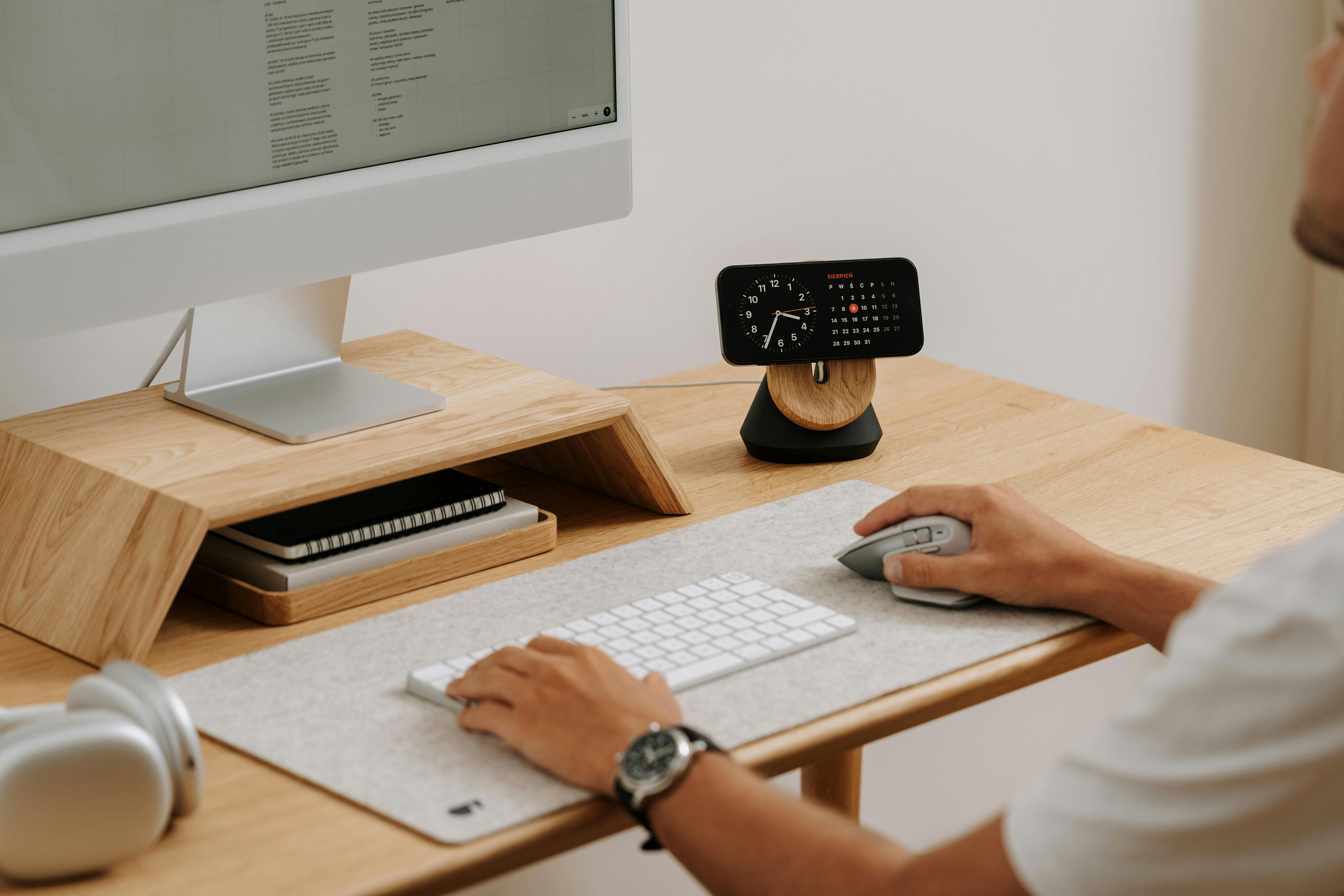
This shift from intentional leisure activity to background routine is a structural change in how singles manage their romantic lives, and operators should pay attention to what it signals about engagement patterns, session design, and the growing risk of platform fatigue. Hily's data, whilst modest in sample size and carrying the obvious self-interest of validating frequent app usage, aligns with what operators have known for years: session frequency matters more than session length when it comes to DAU metrics and notification re-engagement.
Product teams have spent the better part of a decade optimising for precisely this behaviour. Brief sessions, low cognitive load, endless scrollability—these weren't accidents of design but deliberate choices that make dating apps perfect for the eight-minute gap between video calls. The commercial logic is straightforward: more sessions mean more ad impressions for freemium operators, more opportunities to surface paywalled features, and more data points to feed recommendation algorithms.
Create a free account
Unlock unlimited access and get the weekly briefing delivered to your inbox.
The companies celebrating frequent, fractured usage may be storing up a retention problem when users realise they've turned courtship into inbox zero.
Match Group has discussed 'increasing engagement depth' on earnings calls for quarters. Bumble overhauled its entire interface last year with faster swiping mechanics. The industry has been building the dating equivalent of checking your step count—a micro-habit that slots into existing routines rather than requiring dedicated focus.

When romance meets resource management
Positioning dating as a productivity stream creates tensions the industry hasn't fully reckoned with. The same polywork culture that normalises side hustles and constant connectivity now extends to romantic prospecting, with all the transactional baggage that entails. Dating becomes another task to optimise, another stream to manage, another metric to track.
The workplace context adds operational complexity most operators haven't planned for. Hybrid work environments have already collapsed the distinction between 'home' and 'office' as swiping locations. When colleagues discover each other's profiles during a Tuesday afternoon scroll, that's no longer a weekend coincidence but a workplace incident.
HR teams at companies with bring-your-own-device policies are beginning to grapple with what happens when personal app usage on company time creates professional friction. No major employer has yet implemented formal dating app restrictions, but the groundwork is being laid. Dating operators face the mirror version of that problem: if workplace swiping becomes widespread enough to attract employer scrutiny, that's a reputational risk and a potential wedge issue for corporate device management.
Does your algorithm account for the fact that two users might work in the same building? Should it?
Bumble's recent feature allowing users to hide their profile from colleagues suggests the company recognises the tension, even if the solution is reactive rather than systemic.
The burnout question nobody's asking
The generational split in Hily's data deserves closer examination. Millennials are swiping at work at significantly higher rates than Gen Z. One reading: millennials have fully internalised dating apps as utility infrastructure. Another: they've been at it longer and are exhibiting classic signs of search fatigue, where the only way to maintain momentum is to slot dating into every available gap.
Gen Z's comparatively lower workplace usage might reflect different relationship formation patterns, greater comfort with meeting people through other digital channels like TikTok or Discord, or simple fatigue with the swipe paradigm their older peers pioneered. Either way, the gap suggests that treating workplace swiping as inevitable may be a millennial-specific behaviour pattern rather than a universal trend.
The metric operators should watch isn't workplace usage itself but what it signals about platform saturation. When dating requires continuous ambient engagement rather than focused intentional sessions, you've either built essential infrastructure or trained your users into a hamster wheel. The companies that figure out which they've actually done—and adjust accordingly—will be the ones that survive the next phase of market consolidation.
What comes next depends partly on whether employers start caring. If productivity software vendors add dating app usage to their analytics dashboards, or if a high-profile workplace incident makes dating app disclosure a HR talking point, operators will face pressure to add workplace-aware features. More likely, this becomes another datapoint in the longer story of dating normalisation—the final domestication of an activity that was, not long ago, something you did with intention rather than as reflex between Zoom calls.
Key Takeaways
- •High ambient engagement during working hours signals potential platform fatigue, forcing dating app operators to balance session frequency against long-term user retention.
- •Compliance and product teams must evaluate workplace-aware privacy controls as employer scrutiny and bring-your-own-device policies create potential operational risks for platforms.
Frequently Asked Questions
Data & Analytics Desk
The DII Data Team maintains the publication's trackers, market data and analytical reference hubs for the online dating industry.
Comments
Join the discussion
Industry professionals share insights, challenge assumptions, and connect with peers. Sign in to add your voice.
Your comment is reviewed before publishing. No spam, no self-promotion.