Gen Z Is Running Multiple Apps Simultaneously. That Is Not a Trend — It Is a Verdict.
Key Points
- •According to Bumble survey data, 25% of Gen Z singles prefer first dates lasting under 30 minutes, frequently scheduling multiple dates back-to-back.
- •User behaviour data from 2023 indicates that the average Gen Z single spends 51 minutes per day swiping on dating applications.
- •Bumble disclosed that 78% of its users experience app fatigue, though users continue swiping and subscribing despite reported burnout.
- •Traditional first dates in London and Manchester cost over £40 per person, whereas coffee dates cost around £3.50.
Match Group (MTCH) spent years optimising for the first-date conversion. Bumble (BMBL) made getting offline quickly a brand pillar. But Gen Z isn't having the dates operators designed for.
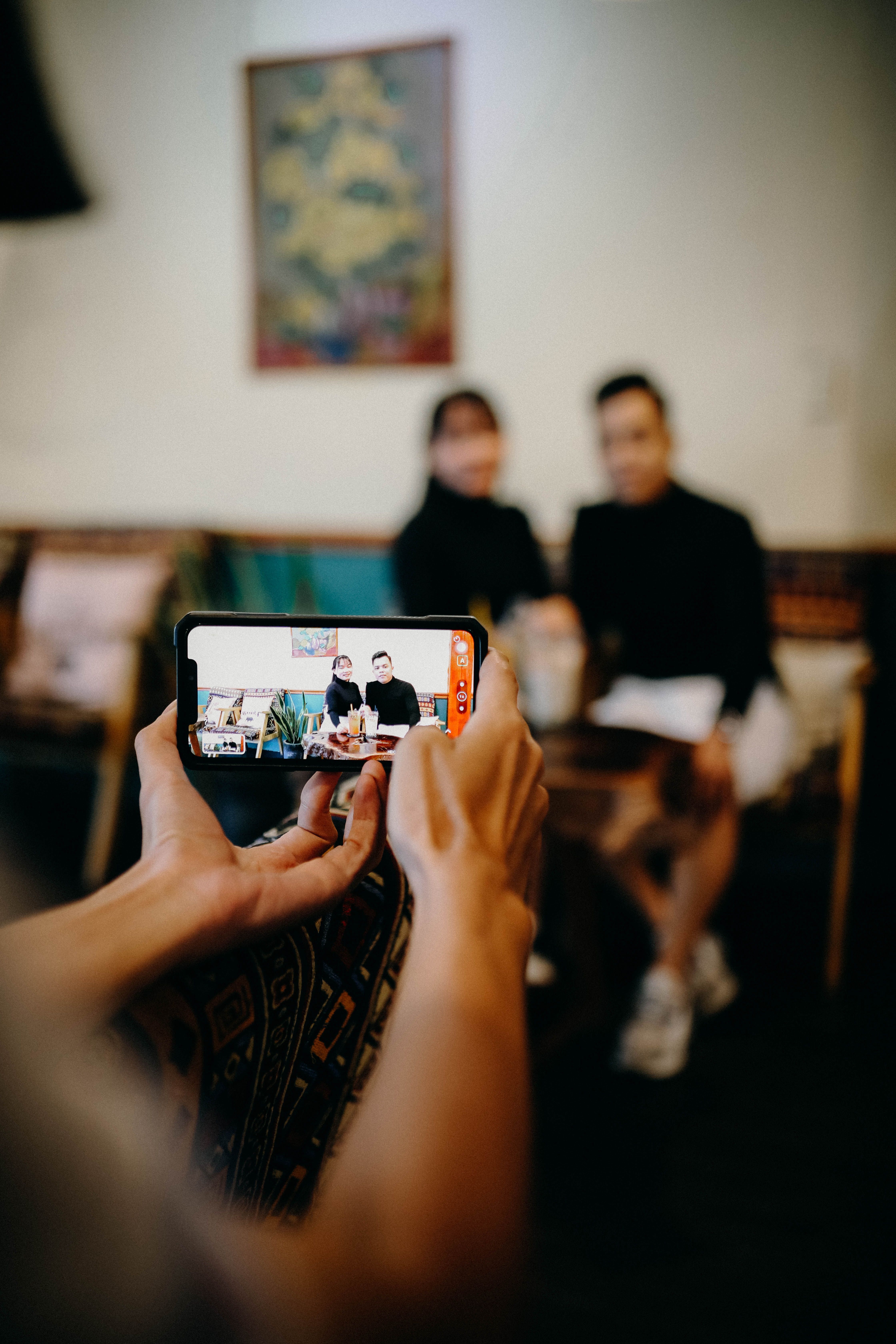
According to Bumble's recent survey data, a quarter of Gen Z singles now prefer first dates under 30 minutes, and some are scheduling them back-to-back—what the cohort calls "stack dating". The two-hour dinner-and-drinks format isn't being rejected so much as it's being ruthlessly time-boxed out of existence.
This isn't commitment-phobia dressed up as calendar efficiency. It's a rational response to a broken economic and product reality. When the average Gen Z single spends 51 minutes per day swiping—figures from a 2023 user behaviour study—and match volume remains high whilst conversion to meaningful connection stays stubbornly low, treating first dates like job interviews starts to make cold sense. The £40 dinner gamble on someone you've exchanged three messages with becomes indefensible.
Create a free account
Unlock unlimited access and get the weekly briefing delivered to your inbox.

This should terrify dating operators, not because Gen Z are dating less—they're dating more, just differently—but because it exposes the core product failure stack dating is designed to solve. If your matching algorithm were delivering high-intent, high-compatibility connections, no one would need to batch-process strangers at half-hour intervals.
Stack dating is what happens when platforms maximise engagement over outcomes, and users respond by treating the output accordingly: as low-quality leads requiring volume strategies.
The efficiency isn't the problem. It's the symptom.
When burnout meets the cost-of-living crisis
Bumble disclosed that 78% of users report experiencing app fatigue, a figure that would sink most consumer products. Yet those same users continue swiping, continue matching, continue subscribing. The fatigue isn't driving churn—it's changing behaviour. Stack dating emerges at the intersection of that burnout and economic pressure specific to Gen Z, who face cost-of-living constraints that make every £10 round of drinks a considered expense.
The maths is straightforward. Traditional first-date economics—dinner, drinks, maybe a second venue—easily clear £40 per person in London or Manchester. Multiply that by the number of first dates required to find someone worth a second, and the monthly spend becomes untenable for a cohort where median graduate starting salaries hover around £25,000 before tax and student loan deductions. Coffee costs £3.50. A 30-minute window limits awkwardness and financial exposure equally.
What the platforms haven't grasped is how this behaviour reflects back on product quality. High match volume without corresponding match quality creates a volume problem on the dating side. Users are responding with their own efficiency play, compressing time investment to match their confidence in the introduction. Bumble's data showing 60% of dates still last two hours isn't contradicted by the 25% preferring sub-30-minute meetings—but the trajectory is clear. The two-hour cohort is Millennials and Gen X. The half-hour preference is the leading indicator.
The rotational dating economy
Stack dating doesn't exist in isolation. It's part of a broader Gen Z approach that includes "rotational dating"—maintaining multiple non-exclusive connections simultaneously—and delayed commitment timelines. The behaviour resembles what hiring managers do: screen quickly, interview widely, decide slowly. Romance as a funnel, optimised for throughput.
Hospitality venues that built revenue models around date-night spending are already feeling this. The cocktail bar that counted on two-hour sits and second-round orders is being replaced by coffee shops with 30-minute turnover. Operators in that sector have started noticing the shift—afternoon coffee sales up, evening covers down amongst younger demographics—though few have connected it explicitly to dating behaviour changes.
For dating platforms, the implications cut deeper. If users are compressing first dates into screening calls, what does that say about profile quality and matching accuracy? Hinge built a brand around "designed to be deleted", promising connections worthy of investment. But if Gen Z are scheduling three first dates in an evening, the implicit message is that no single match warrants full attention.
If the matching algorithm delivered high-probability connections, the filtering would happen pre-date. Stack dating suggests the opposite: that users trust the algorithm so little they're building their own secondary screening process, in person, at scale.
The counterargument—that stack dating reflects pragmatism rather than pessimism, that Gen Z are simply more efficient at filtering—falls apart under scrutiny. Efficient filtering requires good data inputs. If the matching algorithm delivered high-probability connections, the filtering would happen pre-date.

What operators should watch
The immediate tension is between engagement metrics and outcome quality. Stack dating probably increases first-date volume, which looks healthy in operator dashboards. More dates per user, more monthly active daters, more success stories (if you define success as "met offline"). But if those dates are 30-minute auditions that lead nowhere, the metric is hollow. Worse, it masks the underlying problem: users are working around the product, not with it.
Revenue risk sits primarily with premium features designed around traditional dating economics. Boost functions and SuperLikes make sense when users are selective about who they meet. When the strategy is volume-based stack dating, paying to stand out to one person loses value. Why pay £5 to jump the queue when you're meeting five people this week anyway? The free tier becomes sufficient.
The next six months will clarify whether stack dating is a Gen Z phase or a permanent shift. If Millennials start adopting the behaviour, operators face a structural challenge rather than a generational quirk. Bumble and Hinge, with their younger user bases, will see it first. Match's portfolio skews older, buying time but not immunity. What's certain is that no platform designed for two-hour dinner dates can ignore a cohort scheduling romance in 30-minute blocks. The question isn't whether Gen Z will adapt to dating apps. It's whether dating apps will adapt to what Gen Z is already doing.
Key Takeaways
- •Stack dating indicates a fundamental breakdown in matching algorithms, forcing users to conduct manual in-person screening rather than trusting platform compatibility recommendations.
- •Monetisation strategies relying on paid features like Boosts and SuperLikes face revenue risk as volume-focused daters find free tiers sufficient for batch-screening multiple matches.
- •Dating app operators must monitor whether 30-minute date preferences spread to Millennials over the next six months, which would signal a structural market shift.
Frequently Asked Questions
Data & Analytics Desk
The DII Data Team maintains the publication's trackers, market data and analytical reference hubs for the online dating industry.
Comments
Join the discussion
Industry professionals share insights, challenge assumptions, and connect with peers. Sign in to add your voice.
Your comment is reviewed before publishing. No spam, no self-promotion.